
EV charging station: Safety - Someone is accountable
EVsafe we don't sell standalone equipment. We deploy and operate centrally to control fire and explosion risks + legal liability for Building management / Apartment / Property owner.
24/7 monitoring
Real-time alerts for overheating, overload, and anomalies.
Automatic protective cutoff
Standard infrastructure + RCBO/RCD configured per charging port.
Contract with clear responsibilities
No “gray zones”: clearly define who bears the risk - who handles it.
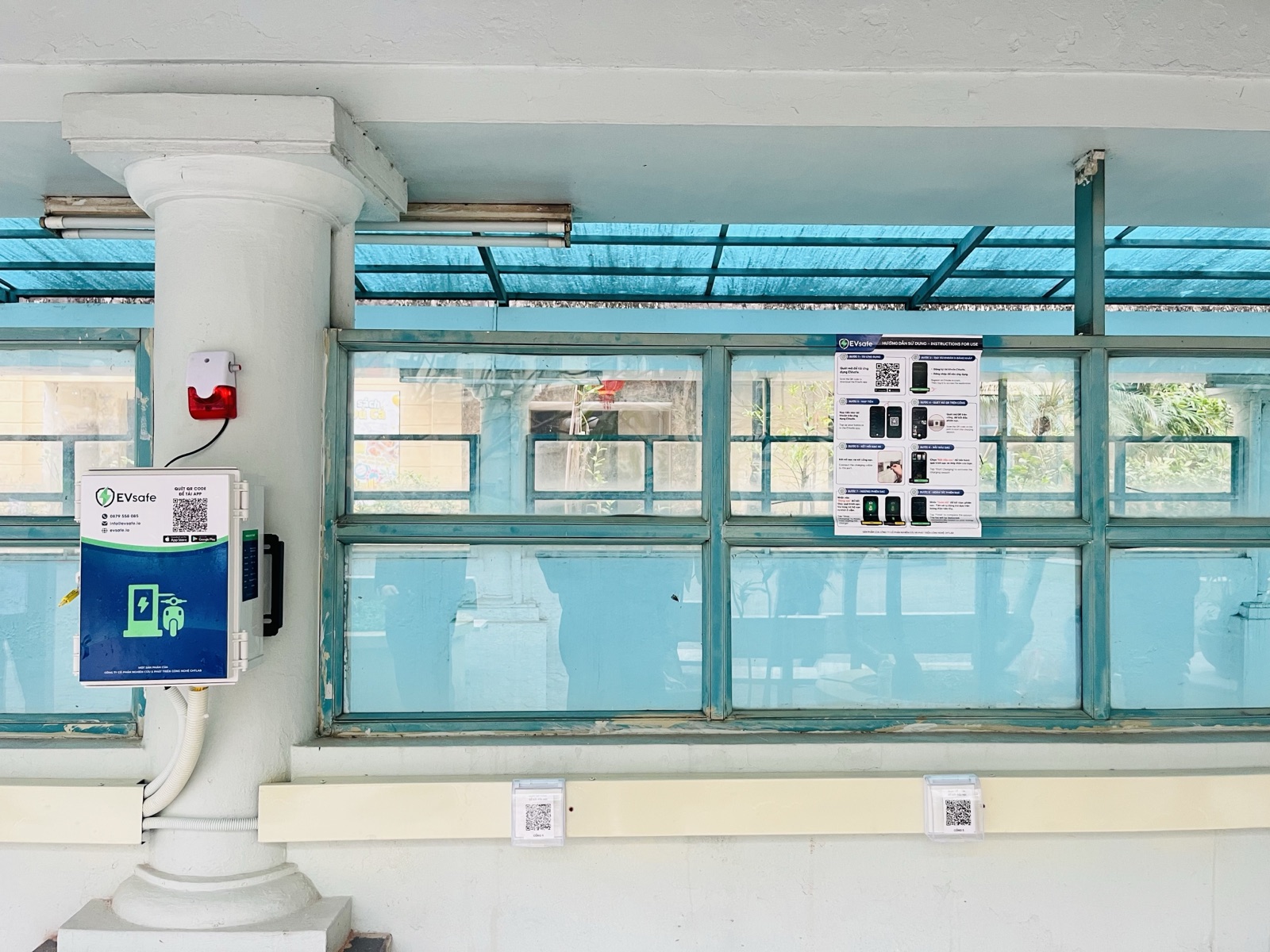
Safety & operating standards
A quick read to grasp: where the real risks lie, how EVsafe defends in 3 layers, how legal/fire-safety matters are handled, and under what conditions EVsafe will refuse deployment.
TABLE OF CONTENTS
Table of contents Table of contents
Tap to jump quickly
Table of contents
Tap to jump quickly
Improvised charging: Convenient for an hour - pay for a lifetime
Incidents usually don't come from the vehicle battery - but from electrical infrastructure cannot withstand continuous charging loads. The property owner/management board is the first group named when a fire or explosion occurs.
Household power socket
Not built to bear a 2-3kW charging load for hours → melted plastic, in-wall short circuits and fire.
consequence: hidden fire - hard to detect
Overloaded wiring
Small-gauge wiring + many vehicles charging at once → main breaker trips or wiring burns at joints.
consequence: power outage across the whole area
Unmonitored overnight charging
Highest risk while everyone sleeps. No one detects the burning smell to cut power in time.
consequence: rapid spread - hard to control
Legal risk
When a fire breaks out: the property owner/management board is held liable first. Insurance may reject the claim if standards are violated.
consequences: money + liability
This is why EVsafe decline if you just want to “buy equipment and install it yourself.” No control = no responsibility.
*EVsafe prioritizes “preventing risks from the start” instead of “firefighting when it's too late.”
Don't let “convenience” turn into “accident”
Violating standards can cause insurance denial and the legal liability risk falls on the site owner.
If you want to “just install something for show” - EVsafe is not the choice.
EVsafe only accepts qualifying sites and station owners who want to operate up to standard, compliant with the law. Because one sloppy station can drag along fire & explosion + legal issues + insurance denial.
Quick filter (30 seconds)
Yes stable power supply and allows running a dedicated line.
Yes dry location, easy to control, not blocking the emergency exit.
Agree to the model: EVsafe operates 24/7, you don't have to fix it yourself.
Reject immediately if you only want to buy standalone equipment or run wires from a household outlet.
Register for a safety survey - get a clear “Pass/Fail” result
No beating around the bush. EVsafe measures the load, scans risks, and finalizes the plan. Fails minimum requirements → deployment refused.
What you get after the survey
A “Pass/Fail” conclusion
Clear reasons + specific risks if deployed.
Technical plan
Location - wiring - protection - monitoring per standards.
Responsibility framework
Who is responsible for what, in writing. No playing in the “gray zone”.
EVsafe prioritizes doing less but doing it right. One flawed station can ruin the whole brand - so we are willing to decline if the conditions are not met.
Defense system 3 layers
so that you sleep soundly instead of “hoping for luck”
EVsafe doesn't sell “promises.” We operate charging stations as a controlled infrastructure: with a standard hardware layer, a real-time monitoring layer, and a human accountability layer.
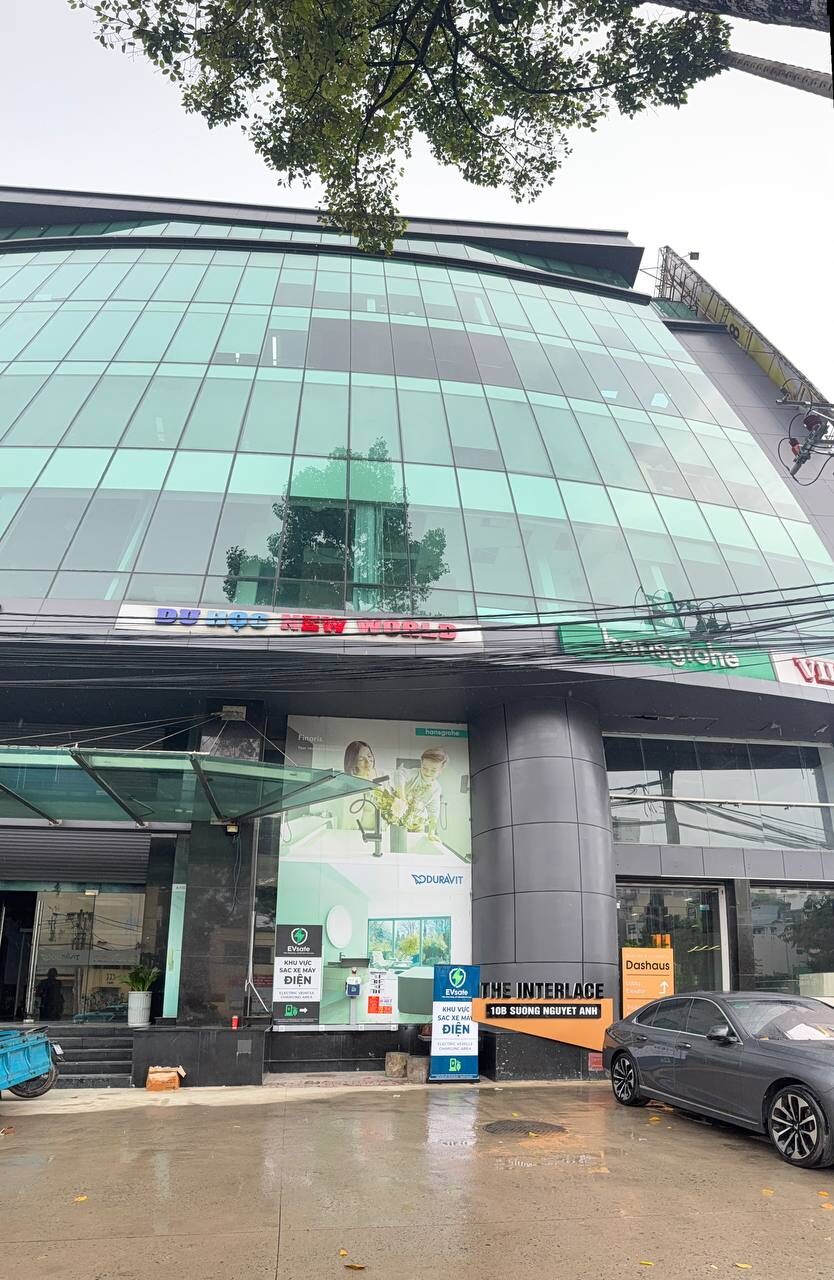
Response mechanism
Detect anomaly → Auto-cutoff → Alert operations team
No waiting for “a fire before acting.” Every alert has a log, a response time, and someone accountable.
Auto cut-off
Overload / current leakage / abnormal temperature.
Transparent logs
Has an operating & alert history.
Proactive maintenance
Don't wait for a breakdown to fix it.
Layer 1: Physical (Hardware)
Dedicated electrical cabinet, RCBO/anti-shock devices per branch, load-rated wiring to standard. No household sockets to “plug in wherever convenient”.
Layer 2: Monitoring (IoT & Cloud)
Sensors continuously monitor current & temperature. When a dangerous threshold is detected, the system auto-cutoff and send alerts per the response scenario.
Operating principle
- Severity-based alerts (Warning / Critical)
- Logs retained for reconciliation & accountability
- Escalation channel: Remote first, Onsite when needed
Layer 3: People (Operation)
A dedicated operations team is responsible: monitoring alerts, handling per SLA, periodic maintenance. The goal is prevention instead of “patching wherever it breaks.”
Want to see the detailed safety standards?
Continue to the “Legal & Fire Safety” section to understand how EVsafe controls risk.
Fire prevention & Legal
not “decoration” - it's what makes you sleepless
EVsafe does not “bend the rules”. We design & operate to reduce associated risk and clarify who is accountable if an incident occurs.
Operating philosophy: “Clear responsibility - reduced risk”
If you want to buy equipment and install it yourself, EVsafe not suitable. Because the “dangerous” part isn't in the charger - it's in electrical infrastructure, wiring method, operation and monitoring.
A “tailored” dossier for the site
No copy-paste. Every site is different: homes, shops, parking lots, apartment buildings… each has different requirements and risks. EVsafe advises on the appropriate checklist, rules, warnings, and guidance signage.
- checklist of minimum safety conditions before deployment
- A set of rules/warning signs for the installation area
- Incident handling & reporting process
Separate responsibilities via contract
No “gray zones.” What EVsafe operates → EVsafe is responsible. What belongs to the site/incoming power → the property owner cooperates. Clear separation to avoid the “blame each other when something happens” situation.
- Clear incident handling terms & SLA
- Scope of maintenance & parts replacement
- Committed operating responsibility - no “sell and abandon”
Vital principle
EVsafe will decline to deploy if the site fails minimum safety conditions or you request a “self-install - self-operate” model.
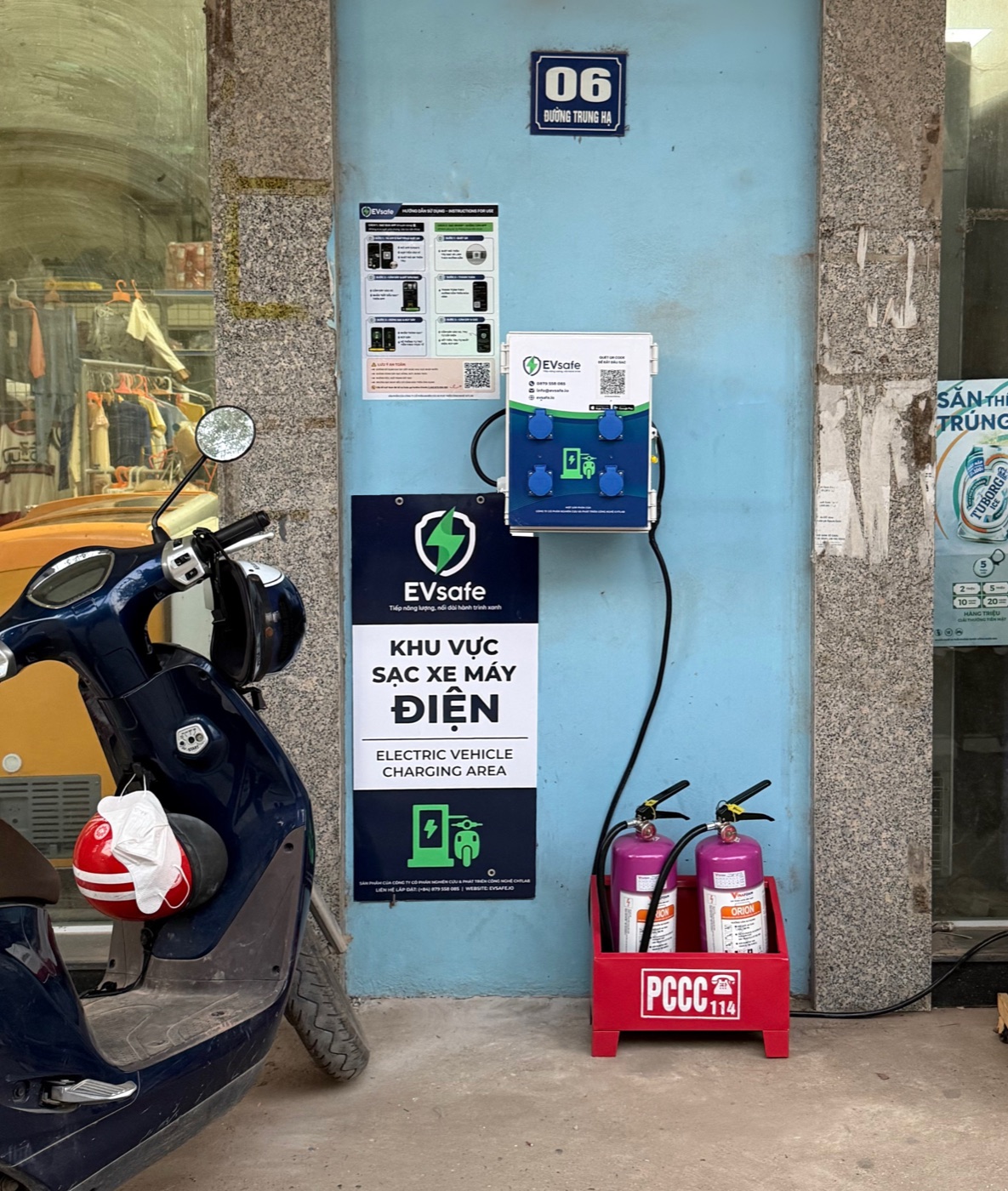
Allocation of Responsibility
Every clause is clear
This is what lets you “sleep well”: EVsafe handles the technical & operational side. You handle infrastructure & coordination. No gray areas so that when an incident happens… blame each other.
EVsafe Handles
Engineering • Operation • Safety
You Handle
Site • Input power • Coordination
Charging equipment + electrical cabinet + IEC-standard materials
EVsafe provides a standard toolkit, no uncertified gear.
Clean, safe, easily accessible installation location
Ensure no “vehicles blocking / obstructing paths / dampness.”
24/7 monitoring & automatic cutoff on anomalies
Goal: block risks before they become incidents.
Stable incoming power per the survey
If too weak and cannot be upgraded → EVsafe refuses.
Periodic maintenance & replacement of system-faulty components
Philosophy: “proactive” instead of “fix only when broken.”
Coordinate when there is an alert / anomaly
Notify promptly if unusual signs are seen at the station location.
Responsible for operation & safety belonging to the EVsafe system
All bound by contract terms.
Sign the contract + provide the necessary site documents
Ensure access rights and stable station operation.
* Details will be specified in the Business Cooperation Contract (template). No signing “ambiguously”.
Is EVsafe right for you?
We don't chase quantity. We only accept qualified sites and site owners who “share the same mindset”: safe - transparent - long-term.
Priority
Apartment building • Office • F&B • Managed parking lot
Don't do
Buy cheap equipment and self-install (DIY) • “makeshift”
Goal
Sleep soundly - no fire/legal risk
RECOMMENDED
Strategic partner
-
Need absolute safety
Don't want to gamble assets and brand just for “charging convenience”.
-
Need professionalism
Want the technical team to handle everything A-Z - no self-repair, no self-monitoring, no self-collecting payments.
-
Long-term investment mindset
Understand “you get what you pay for”: the cost of fixing mistakes + legal risk is far more expensive.
Priority survey scheduling for this group
NOT SUITABLE
EVsafe respectfully declines
-
Only want to buy cheap equipment
Buying unverified products to self-install (DIY) to save on upfront costs.
-
Want to operate everything A-Z yourself
Collecting cash yourself, repairing yourself, handling faults yourself. EVsafe does not support this model.
-
Accepting “makeshift” setups
Running wires from a household socket, no standard electrical cabinet, no monitoring.
Important note about electrical infrastructure
If the electrical load measurement result is TOO WEAK and cannot be upgraded, EVsafe will decline to deploy to avoid the risk of power failure / fire and explosion. Safety is priority number 1.
7-step process
safe deployment & operation
EVsafe doesn't “install and be done.” Every station goes through a safety - technical - legal checklist, and is operated as long-term service infrastructure.
Step 1: Survey & Confirmation
- Measure load, check power supply stability.
- Assess the installation site: dry, ventilated, escape routes.
- Estimate vehicle traffic & accessibility.
👉 Not meeting minimum conditions → EVsafe declines to deploy.
Goal: lock down risks from the start - no “forcing an install” that leads to fire/power loss.
Finalize the deployment plan, electrical cabinet location, wiring, network connection, signage/QR.
Step 2: Pre-installation preparation
- EVsafe: prepare the electrical cabinet, RCBO/IEC devices, QR/POSM, system configuration.
- Property owner: ensure access rights + stable input power.
👉 The site owner doesn't need to buy equipment or hire technicians.
Step 3: Installation
- Secure the station to bear load, run wiring in protective conduit.
- Separate the line - label it - ensure aesthetics & safety.
- Connect to network (WiFi/4G) & sync the system.
- Attach QR + usage instructions.
Standard: build it like technical infrastructure, not “installing a socket”.
Real-world testing - check leakage protection, overheating, auto cut-off, data logging.
Step 4: Test & Acceptance
- Test one complete charging session.
- Check RCBO, grounding, cutoff on anomalies.
- Take acceptance photos & update the system dossier.
👉 EVsafe doesn't “hand over the station” for you to operate on your own.
Step 5: Automated 24/7 operation
- User: Scan QR → Charge → Automatic payment.
- The system: records revenue & status in real time.
- Station owner: view reports, reconcile & withdraw funds each period.
Goal: reduce human risk (forgetting to cut off, miscollecting payment, wrong repairs).
Monitor current - heat - alerts. Prioritize remote handling before it becomes an incident.
Step 6: Monitoring & Care
- Real-time monitoring of current & temperature.
- Remote fault alerting & handling.
- First week: guidance on optimizing placement & usage behavior.
Step 7: Maintenance & Incidents
- Periodic hardware maintenance & software updates.
- Incident process: Alert → Remote check → Technician on site.
👉 The station owner bears no technical responsibility.
Philosophy: proactive maintenance - don't wait to “fix only when broken.”
EVsafe Manifesto
“EVsafe doesn't sell standalone equipment - every charging station is deployed through a process of survey, installation, automated operation, and responsible maintenance, with technical support throughout.”
Frequently asked questions
Real questions - straight answers. If you still have “gray areas,” EVsafe will survey and conclude with load measurement data & a safety checklist.
Does installing a charging station affect household/business electricity?
Who pays the electricity bill? Does the property owner have to pay out of pocket?
How long does installation take? Does it affect operations?
If the station fails / overheats / short-circuits, who is accountable?
Does EVsafe sell standalone equipment for me to install myself?
What minimum conditions must a site meet to be deployed?
If you want it “right from the start” instead of “fixing mistakes,” then continue.