Comparing 3 ways to charge electric motorcycles: costs, waiting time, safety, and most importantly - which model generates revenue for property owners.
The more electric motorcycles there are on the road, the hotter the question of "where to charge" becomes. Currently, there are 3 solutions: charging at home, using shared charging stations, or swapping batteries at a station. Each model serves a different type of user, and for those with property, they differ in the most important aspect: whether they generate income or not.
This article compares all 3 based on data published by manufacturers and real operating data from the EVsafe charging network, to help you choose the right model for your situation.
Charging at home: cheap and convenient, but limited to one vehicle
This is the most common method today: plugging the vehicle's charger into a household outlet, charging overnight for 4-10 hours depending on the battery capacity. The cost is almost negligible - a 3.5 kWh LFP battery (such as the VinFast Evo200) can be fully charged for around ten thousand dong in electricity costs for over 200 km of claimed range.
However, this model has 2 major limitations. First, safety: charging overnight at home, in a basement, or in a condominium's common hallway is the highest-risk scenario for fires and explosions, and new regulations are tightening up on this in condominiums and boarding houses. new regulations are being implemented to restrict this practice in condominiums and boarding houses.
Second: charging at home only serves the vehicle's owner. If you are a landlord, a cafe owner, or the manager of a mini condominium, allowing customers to charge their vehicles with their own cords is not only dangerous but also a loss of electricity - and you won't earn a single dollar from that demand.
Shared charging stations: turning empty spaces into a source of income
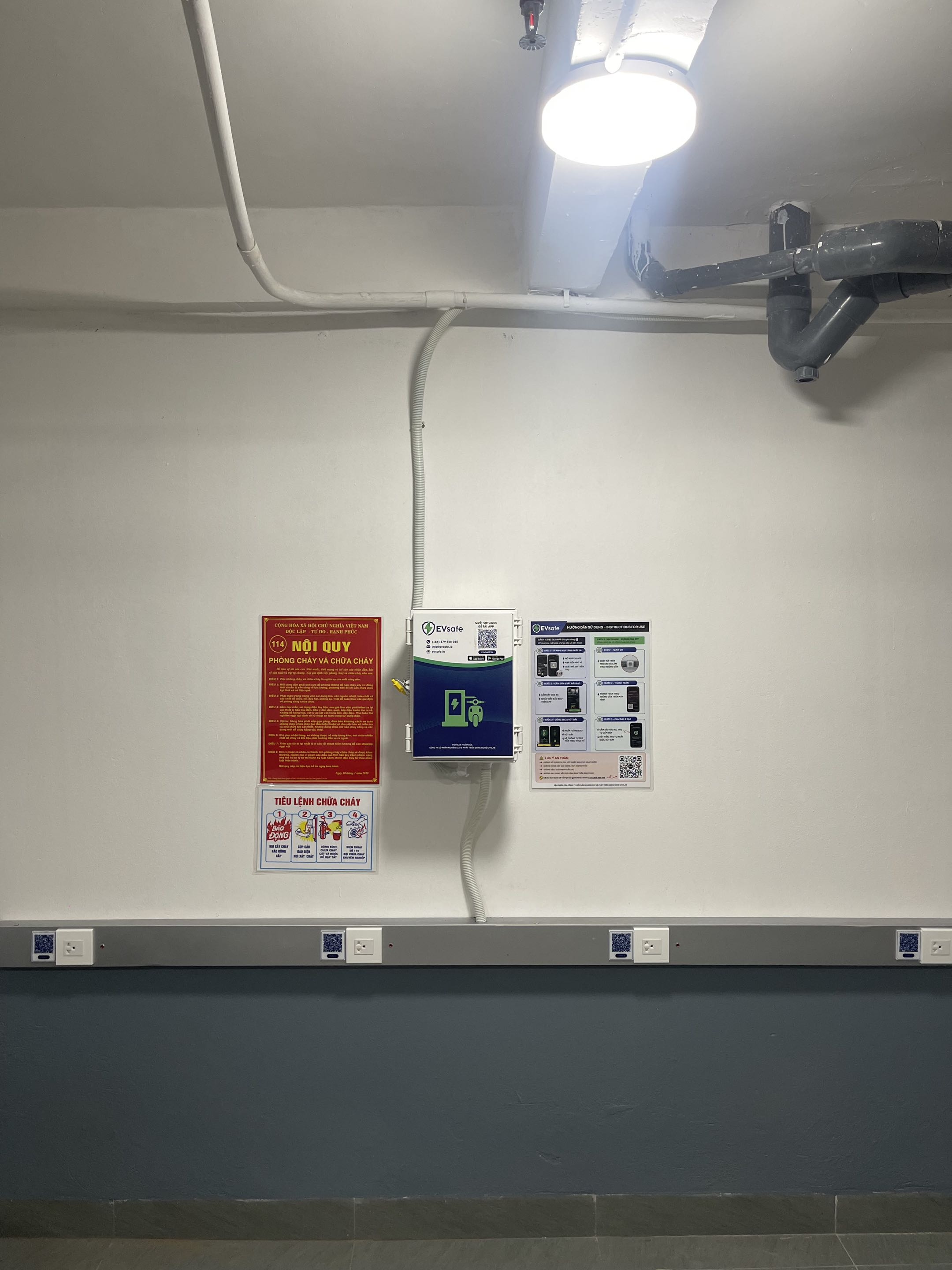
Image: EVsafe
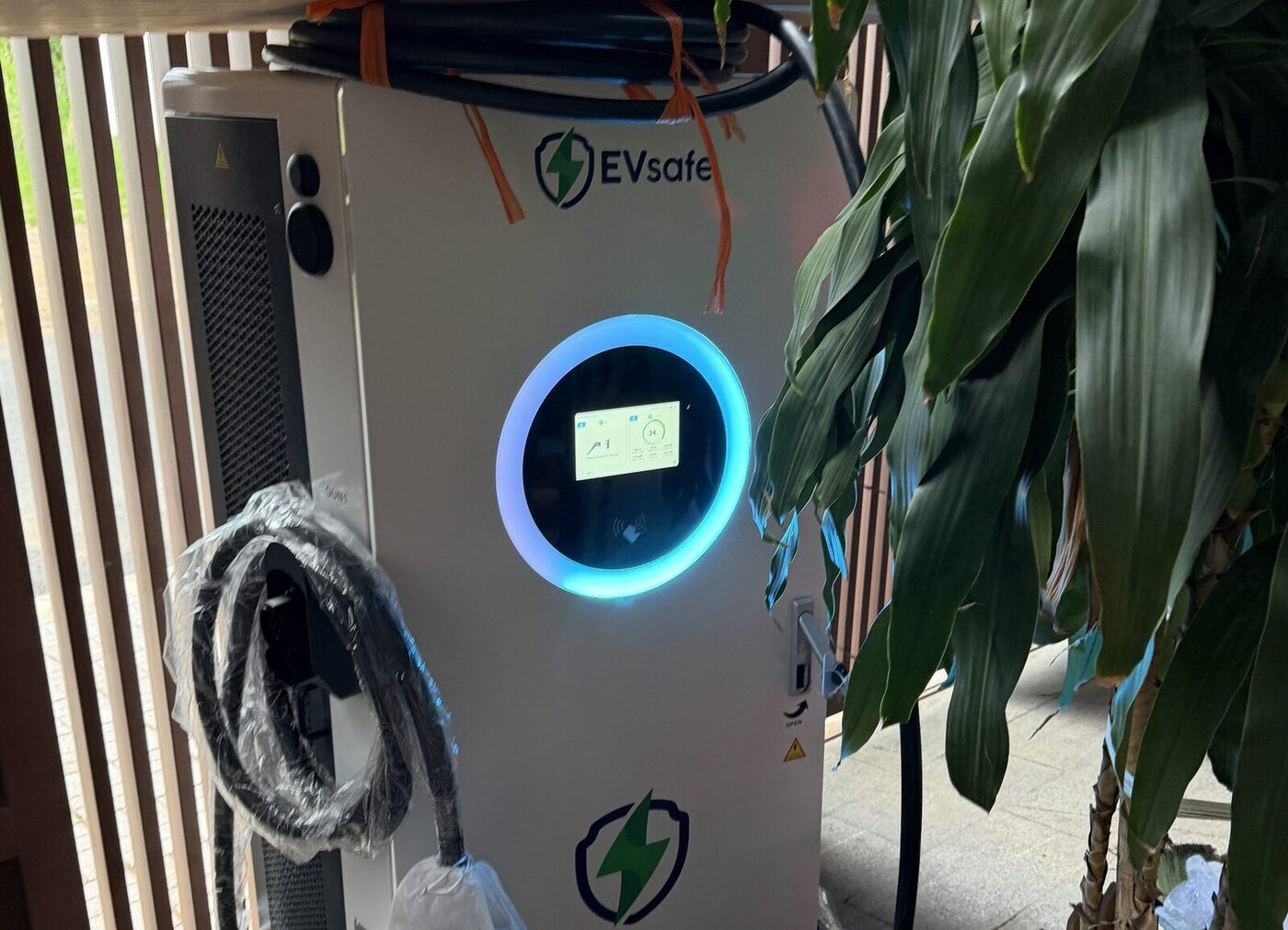
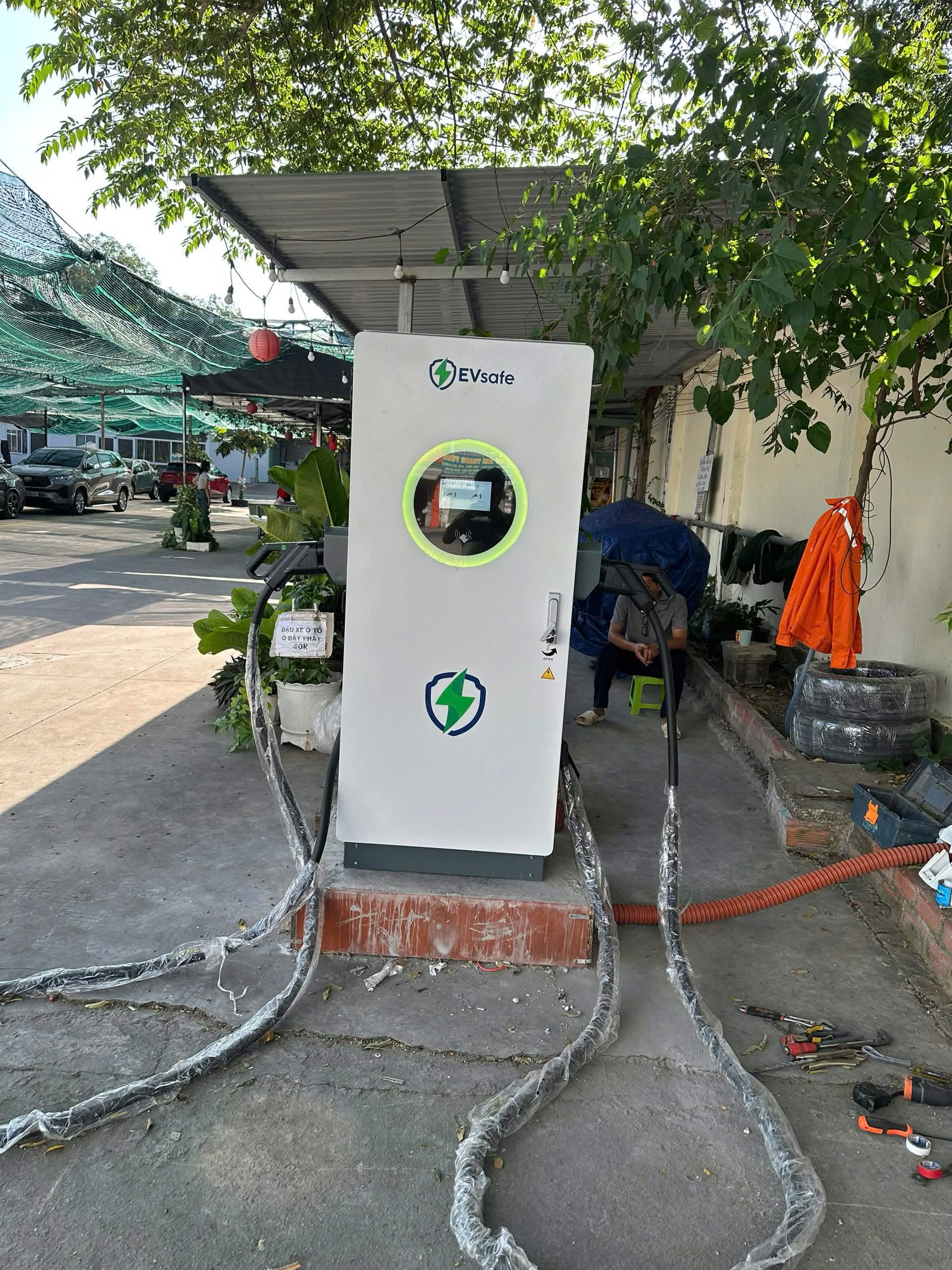
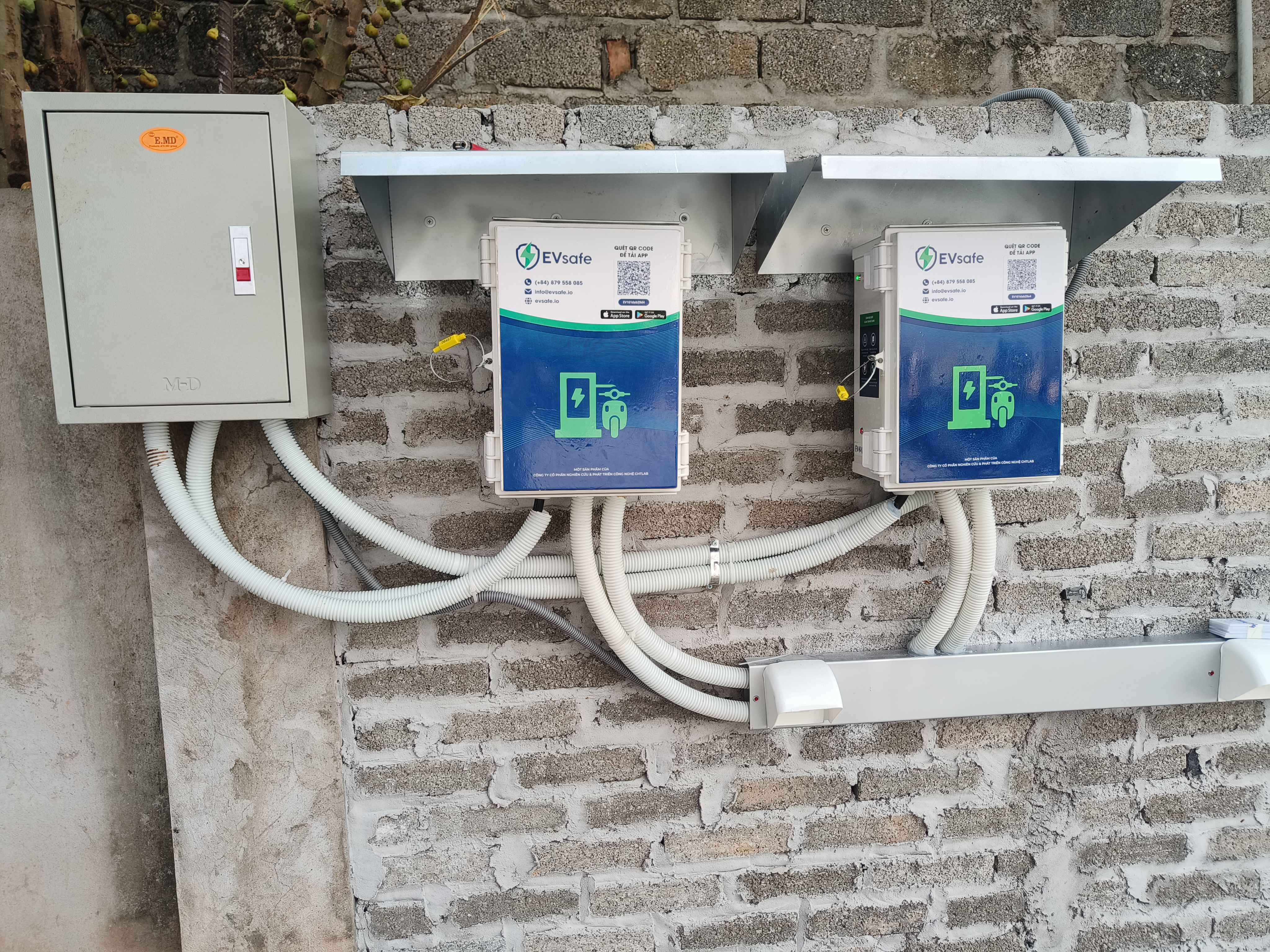
The sharing charging station is a dedicated charging pole placed in an available location: the yard of a mini apartment building, a hostel, a coffee shop, or a parking lot. The EVsafe pole uses a steel cabinet with electrostatic painting that is waterproof and can be placed outdoors, with each pole having 4-10 independent AC charging ports, customers pay by scanning a code and paying per kWh via the app, and the owner can monitor revenue remotely.
The difference from the other two models: this is a revenue-generating device. EVsafe announces two cooperation methods - investing around 18 million VND per pole to receive 90% of the charging revenue (estimated to be recouped in 6-7 months at a location with a stable number of vehicles), or letting EVsafe invest in the entire device and receiving 40% of the revenue without investing capital.
For those who only have empty space and do not want to operate anything else, the option of renting a location for the charging station has also been analyzed in detail in EVsafe's previous article.
Battery swapping: the fastest option for service providers, but limited by the ecosystem
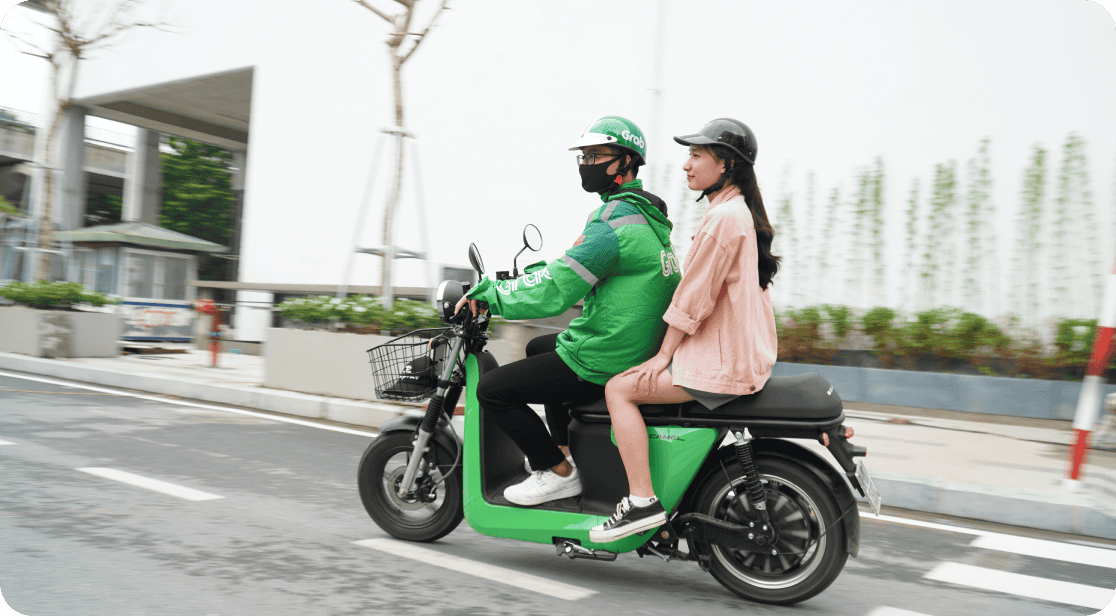
Image: Selex Motors (selex.vn)
Battery swapping solves one problem: waiting time. Stop at a station, remove the empty battery, and install a full one - in under 1 minute, as fast as filling up with gas. For shippers who drive hundreds of kilometers every day, waiting time for charging is money, so this model is almost unbeatable in the group of high-intensity service providers. The Selex Camel 2 is a typical example: it can be installed with up to 3 quick-swap battery packs, with a claimed range of up to 150 km.
In return, this model is picky about users: only cars designed for the company's standardized batteries can participate, the cost is calculated based on monthly battery rental packages, and leaving the battery swap station area means returning to regular charging. The battery swap cabinet is also a large investment for the operating company - the landowner typically only participates by renting out the location for the cabinet.
Quick comparison table
| Criteria | Home charging | Shared charging station | Battery swap |
|---|---|---|---|
| Waiting time | 4-10 hours, usually overnight | Charging while parking, working, having coffee | Less than 1 minute per swap |
| Applicable vehicles | All vehicles with built-in chargers | All common AC charging vehicles | Only vehicles using the company's standardized batteries |
| User cost | Household electricity bill | Pay per kWh per turn via app | Monthly battery rental package |
| Income for landowners | None | 90% of revenue (self-invested ~18 million/trunk) or 40% (EVsafe invested) | Rent for cabinet location |
| Fire and explosion safety | Highest risk when charging overnight at home, in basements | Dedicated outdoor equipment, separate from residential areas | Batteries charged centrally at the station, controlled by the company |
| Most suitable for | Private houses with yards, low mileage | Mini apartments, boarding houses, coffee shops, parking lots | Shipper teams, high-frequency service vehicles |
Choose according to your circumstances
Private house, daily travel less than 50 km: home charging is sufficient, just need to charge in a well-ventilated area, avoid charging overnight in a sealed house.
Mini apartment or boarding house owners: shared charging stations are almost a mandatory choice - they not only meet safety regulations by separating charging from residential areas but also turn the existing demand of tenants into a monthly source of income.
Coffee shops, convenience stores, parking lots: shared charging stations create an additional reason for customers to visit and stay longer; the EVsafe investment-free model is suitable for trying before investing your own capital.
Delivery fleets: if the area of operation is within the battery swap station coverage area, battery swapping wins out in terms of time; outside the coverage area, consider AC charging vehicles combined with a shared charging station network.
The three models are not mutually exclusive - the market is large enough for all three. But if you're holding a location with electric vehicles coming and going every day, then only one model pays you. Register for a free survey for EVsafe to assess the revenue potential at your location.