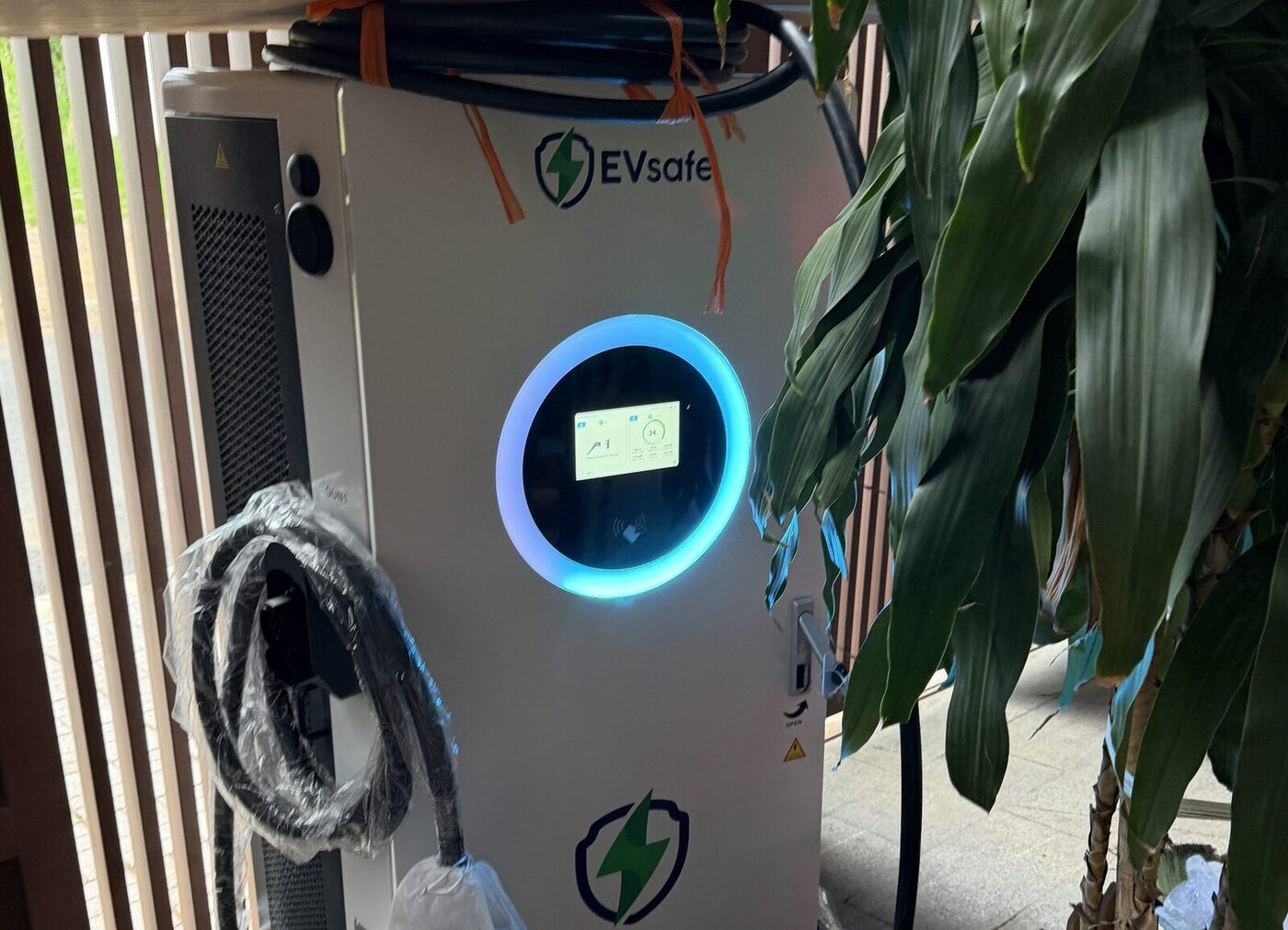
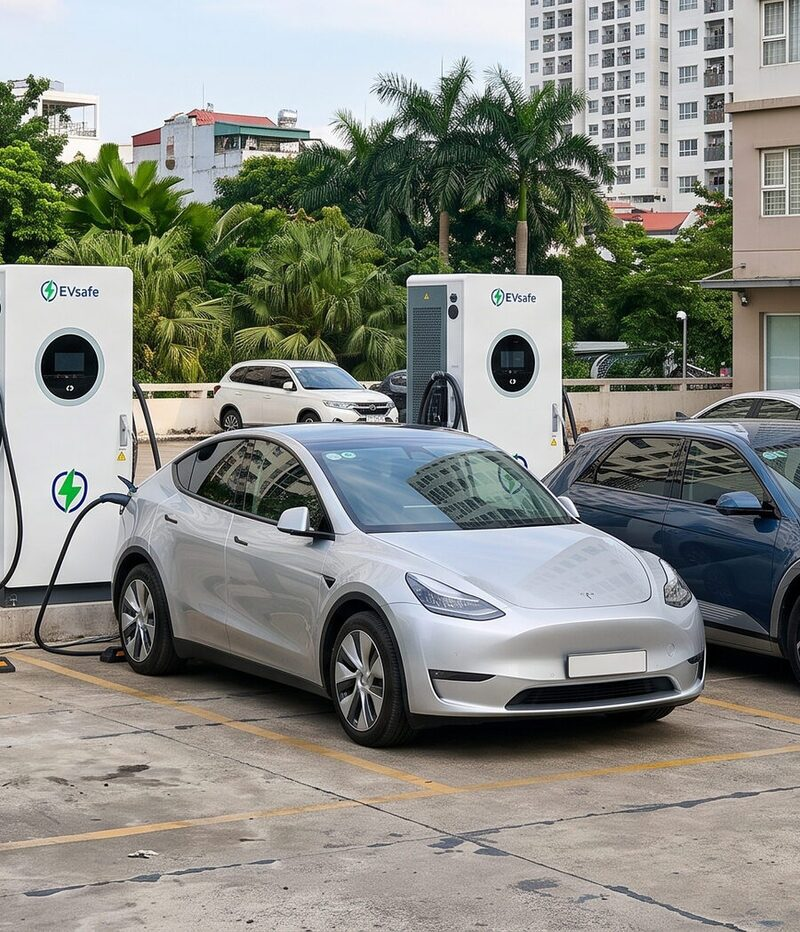
CCS2 is the fast DC charging standard used by almost all genuine electric vehicles in Vietnam. Explaining the differences between CCS2, Type 2, CHAdeMO, GB/T, NACS, the TCVN 13078 standard, and how to check if your vehicle is compatible with charging stations.
After buying an electric vehicle, the first question many people ask is: which charging station can my vehicle use? In Vietnam, the answer is quite simple: almost all genuine electric vehicles use CCS2 for fast DC charging and Type 2 for slow AC charging. This article explains what CCS2 is, its differences from Type 2, CHAdeMO, GB/T, NACS, and the current charging standards and compatibility situation in Vietnam to help you choose the right charging station and cable.
Updated information as of October 2026. The charging power of each vehicle model is as announced by the manufacturer at the time of writing.
What is CCS2?
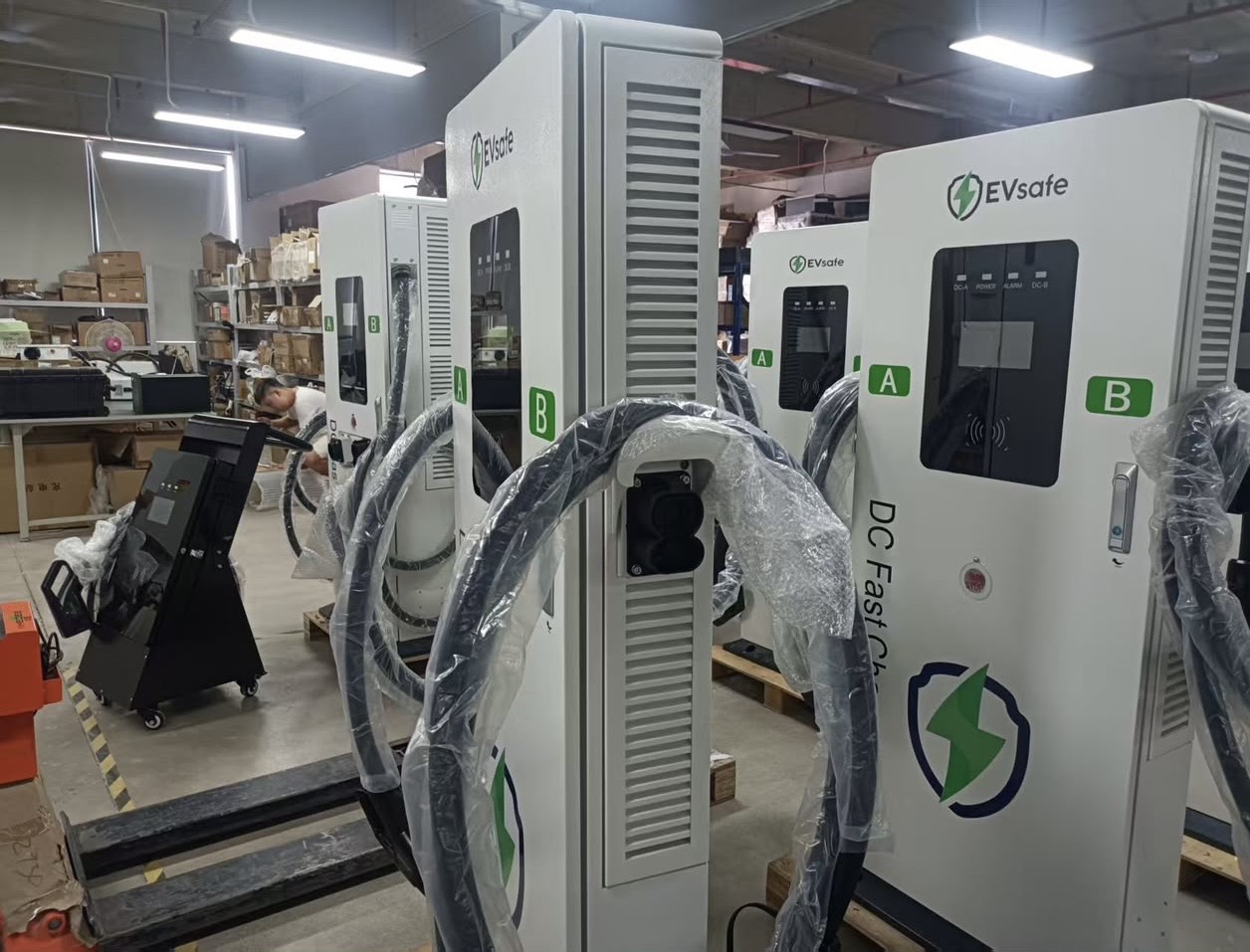
CCS2 is an abbreviation for Combined Charging System Combo 2, a charging standard widely used in Europe, Vietnam, Australia, and many other countries. The word "combined" means that one port on the vehicle can receive both alternating current (AC) and direct current (DC).
Looking at the CCS2 port on the vehicle, you will see two parts:
- The top part is the Type 2 plug (7 pins), used when charging AC at home or at an AC charging station.
- The bottom part is the 2 large DC pins, only used when plugged into a fast DC charging gun. When charging DC, the charging station automatically converts the electricity and pushes direct current straight into the battery, bypassing the vehicle's charger, making it much faster than AC.
CCS2 is defined in the international standard IEC 62196-3, supporting voltages of up to 1,000 V and currents of up to 500 A, which translates to a theoretical power of approximately 350 to 500 kW. The vehicle and charging station communicate with each other through a data connection on the charging cable according to the DIN 70121 and ISO 15118 standards; ISO 15118 also enables the Plug & Charge feature (plug and charge, automatic identification and payment).
Important note: the actual power is determined by the vehicle , not the charging station. For example, according to BYD's announcement, the Dolphin can receive a maximum of approximately 65 kW, the Atto 3 around 88 kW, and the Seal 110 to 150 kW depending on the version. Plugging these vehicles into a 120 kW or 360 kW charging station will still only supply the level permitted by the vehicle, completely safely.
What is the difference between CCS2 and Type 2?
This is where many people are most mistaken. Type 2 (also known as Mennekes, standard IEC 62196-2) is a charging connector only used for AC, which can be single-phase or three-phase, with common powers of 7 kW, 11 kW, and a maximum of 22 kW. CCS2 is Type 2 with two additional DC pins below.
Therefore, vehicles with a CCS2 port can be charged with both types of connectors: Type 2 connectors plug into the top half for AC charging, while CCS2 connectors plug into the entire port for DC charging. Conversely, CCS2 connectors cannot be plugged into vehicles that only have a Type 2 port (some small vehicles only support AC charging).
Comparison of electric vehicle charging standards worldwide
In addition to CCS2 and Type 2, there are several other standards in the world. You should be aware of them to avoid buying the wrong accessories or importing vehicles that are not compatible with the local infrastructure.
Type 1 and CCS1 (North America)
Type 1 (SAE J1772) is the AC single-phase connector used in North America and in older Japanese vehicles. CCS1 is Type 1 with two additional DC pins, operating on the same principle as CCS2. These two connectors are not interchangeable with Type 2 and CCS2 without an adapter.
CHAdeMO (Japan)
CHAdeMO is the earliest fast DC charging standard, widely used on Nissan Leaf and Japanese cars. CHAdeMO vehicles require an additional separate AC port. The CHAdeMO 3.0 version (in cooperation with China, with the common name ChaoJi) aims for a power output of over 500 kW. In Vietnam, CHAdeMO infrastructure is almost non-existent.
GB/T (China)
GB/T is China's national standard, characterized by separating two ports: one AC port and one DC port. Its shape is similar to Type 2 but not compatible. Vehicles produced for the Chinese domestic market use GB/T; Chinese manufacturers like BYD often switch to CCS2 when selling officially in foreign markets, such as in Vietnam.
NACS / SAE J3400 (Tesla)
NACS is Tesla's charging port, compact and using one port for both AC and DC. From 2025, major manufacturers in North America like Ford, GM, Rivian will start shipping vehicles using the NACS port, with this standard being standardized as SAE J3400. NACS is currently mainly used in North America and has not yet become popular in Vietnam.
| Chuẩn | Loại điện | Khu vực chính | Công suất tối đa theo chuẩn | Mức phổ biến tại Việt Nam |
|---|---|---|---|---|
| Type 1 (SAE J1772) | AC 1 pha | Bắc Mỹ, xe Nhật đời cũ | khoảng 7,4 kW (phổ biến) | Hiếm |
| Type 2 (IEC 62196-2) | AC 1 hoặc 3 pha | Châu Âu, Việt Nam, Úc | 22 kW (3 pha) | Phổ biến, chuẩn sạc AC chính |
| CCS1 | AC + DC | Bắc Mỹ | khoảng 350 kW | Rất hiếm |
| CCS2 (IEC 62196-3) | AC + DC, một cổng | Châu Âu, Việt Nam, Úc | 350 đến 500 kW (1.000 V, 500 A) | Phổ biến nhất, chuẩn sạc nhanh chính |
| CHAdeMO | DC (cần cổng AC riêng) | Nhật Bản | bản 3.0 trên 500 kW | Gần như không có |
| GB/T | AC và DC tách 2 cổng | Trung Quốc | DC khoảng 250 kW (bản 2015) | Chỉ gặp ở xe nhập không chính hãng |
| NACS (SAE J3400) | AC + DC, một đầu nhỏ | Bắc Mỹ | bản J3400/2 tới 1.000 V | Chưa phổ biến |
The table above lists specifications according to standards; the actual power output of each vehicle is often lower.
The situation of charging standards and compatibility in Vietnam
National standards
Vietnam has issued a set of standards TCVN 13078 for wired electric vehicle charging systems, translated from the international IEC 61851 standard. Among them, TCVN 13078-1:2020 (equivalent to IEC 61851-1:2017) stipulates general requirements, while TCVN 13078-23:2020 (equivalent to IEC 61851-23:2014) stipulates specific requirements for DC charging stations. This means that charging stations in Vietnam follow the IEC standard system, similar to Europe, which is the foundation of Type 2 and CCS2.
The vehicle market: CCS2 + Type 2 is almost the default
- VinFast: all electric vehicles use the CCS2 port for fast DC charging and Type 2 for AC charging, according to VinFast's announcement.
- BYD: The main models sold by manufacturers, such as Dolphin, Atto 3, Seal, use Type 2 (AC) and CCS2 (DC) ports.
- Korean, Japanese, and European brands that are sold officially in Vietnam also use CCS2, similar to the European and Australian markets.
- Affordable mini electric vehicles: some models only have AC charging. For example, the first generation of Wuling Mini EV sold in Vietnam did not have DC fast charging; the new generation introduced in 2026 will add fast charging.
- Non-officially imported vehicles from China: may have GB/T ports. These vehicles cannot be directly plugged into CCS2/Type 2 charging stations in the country and require an adapter. It's essential to check carefully before purchasing.
Electric motorcycles: no unified charging port standard
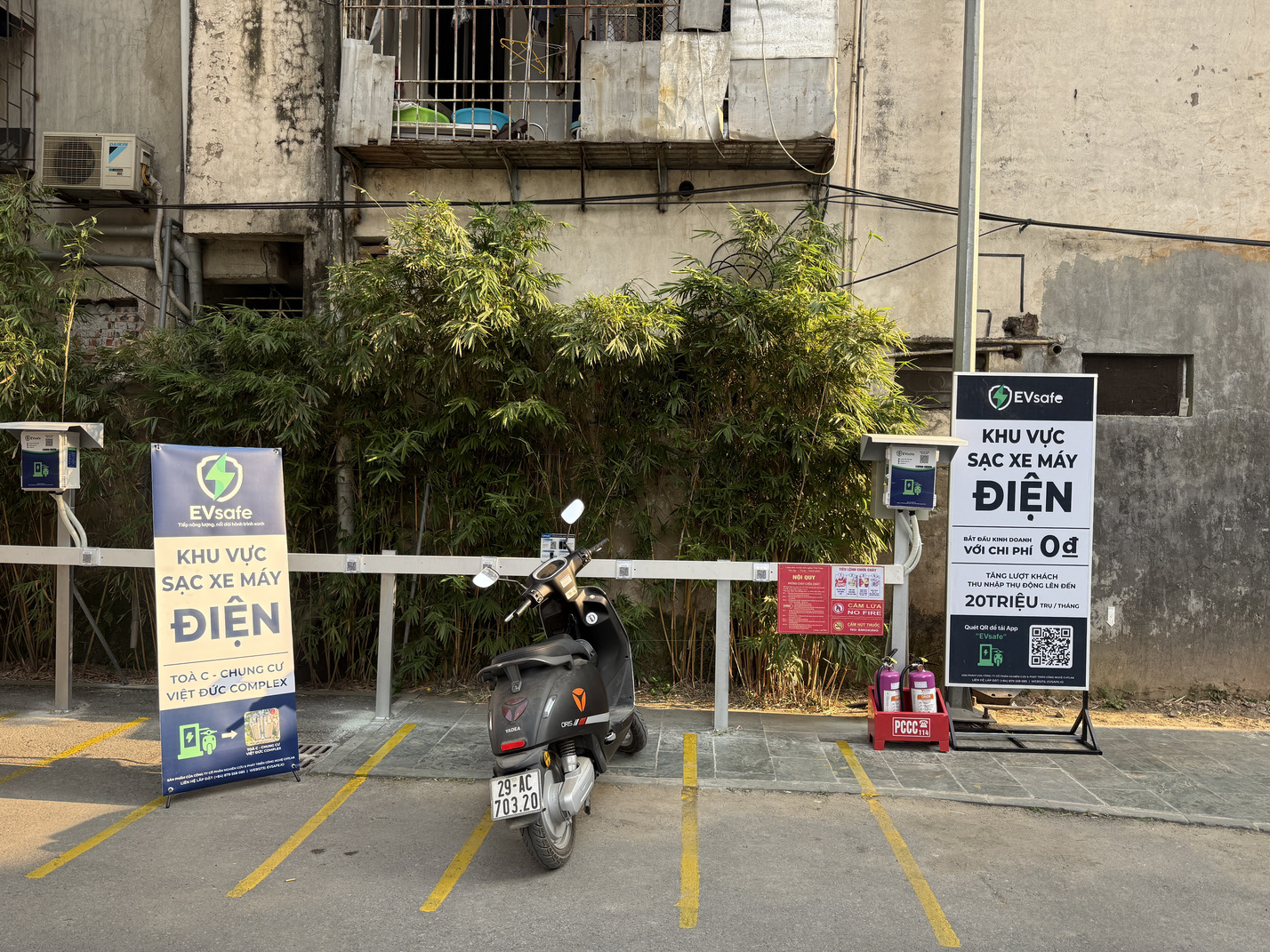
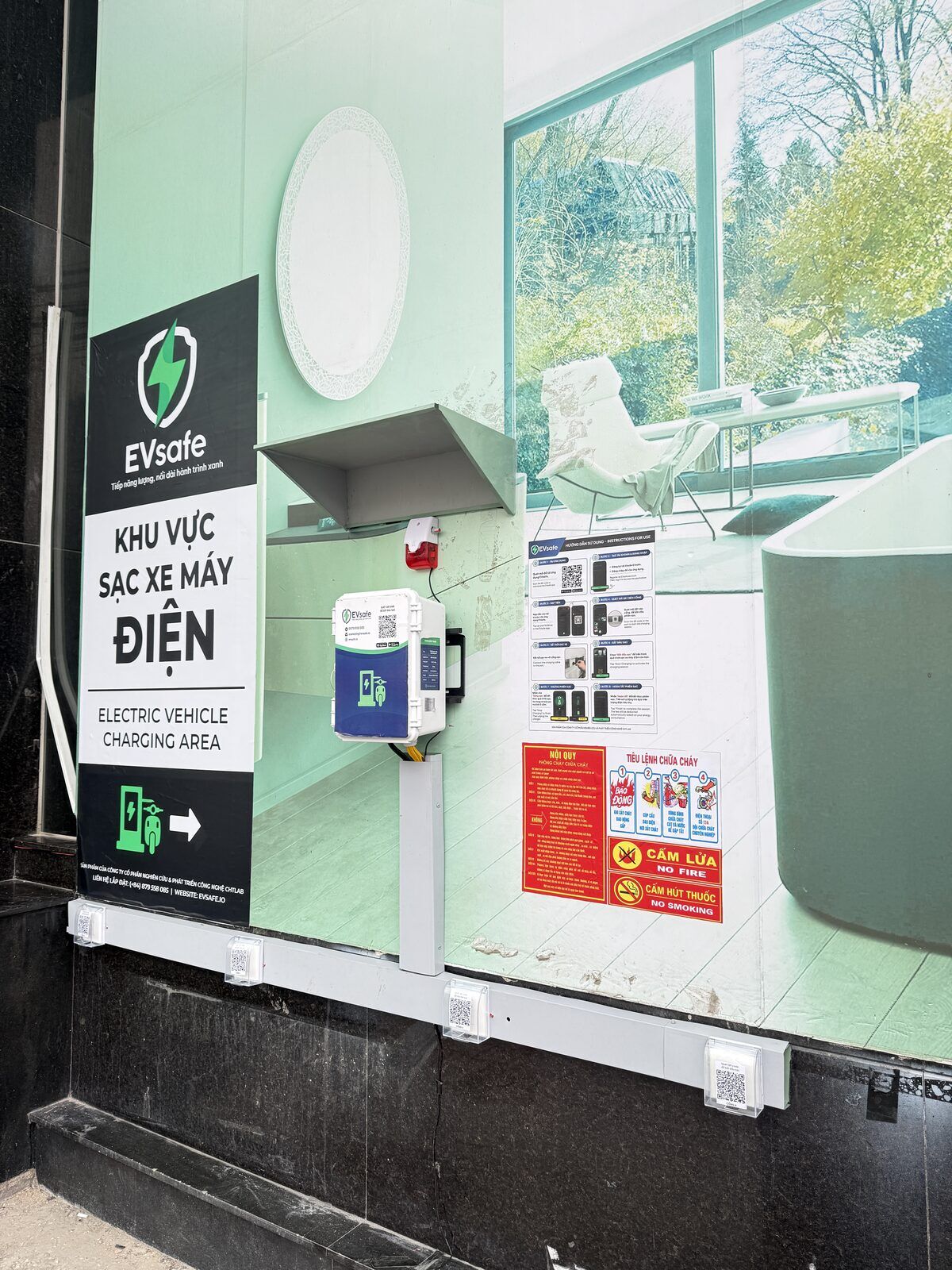
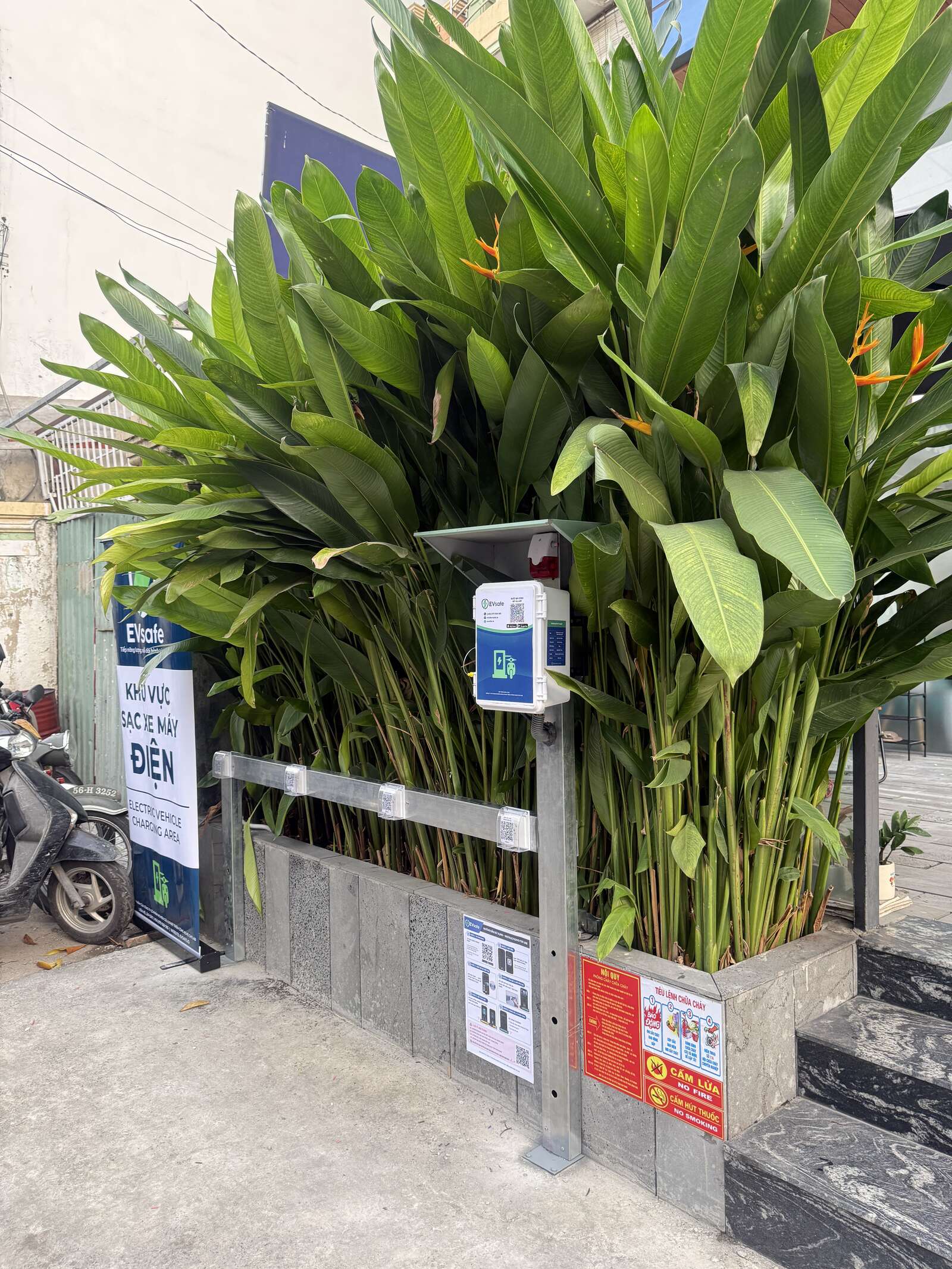
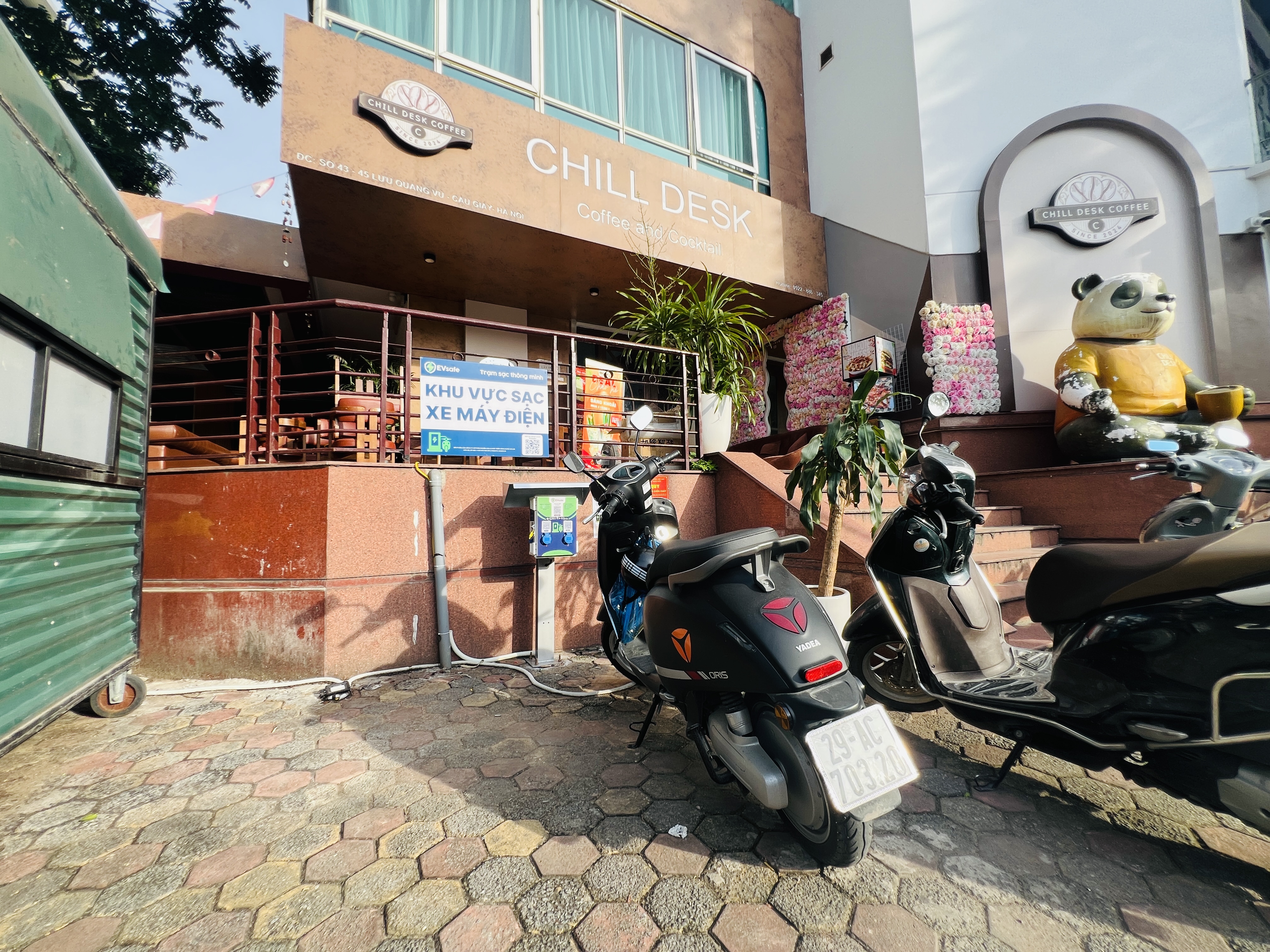
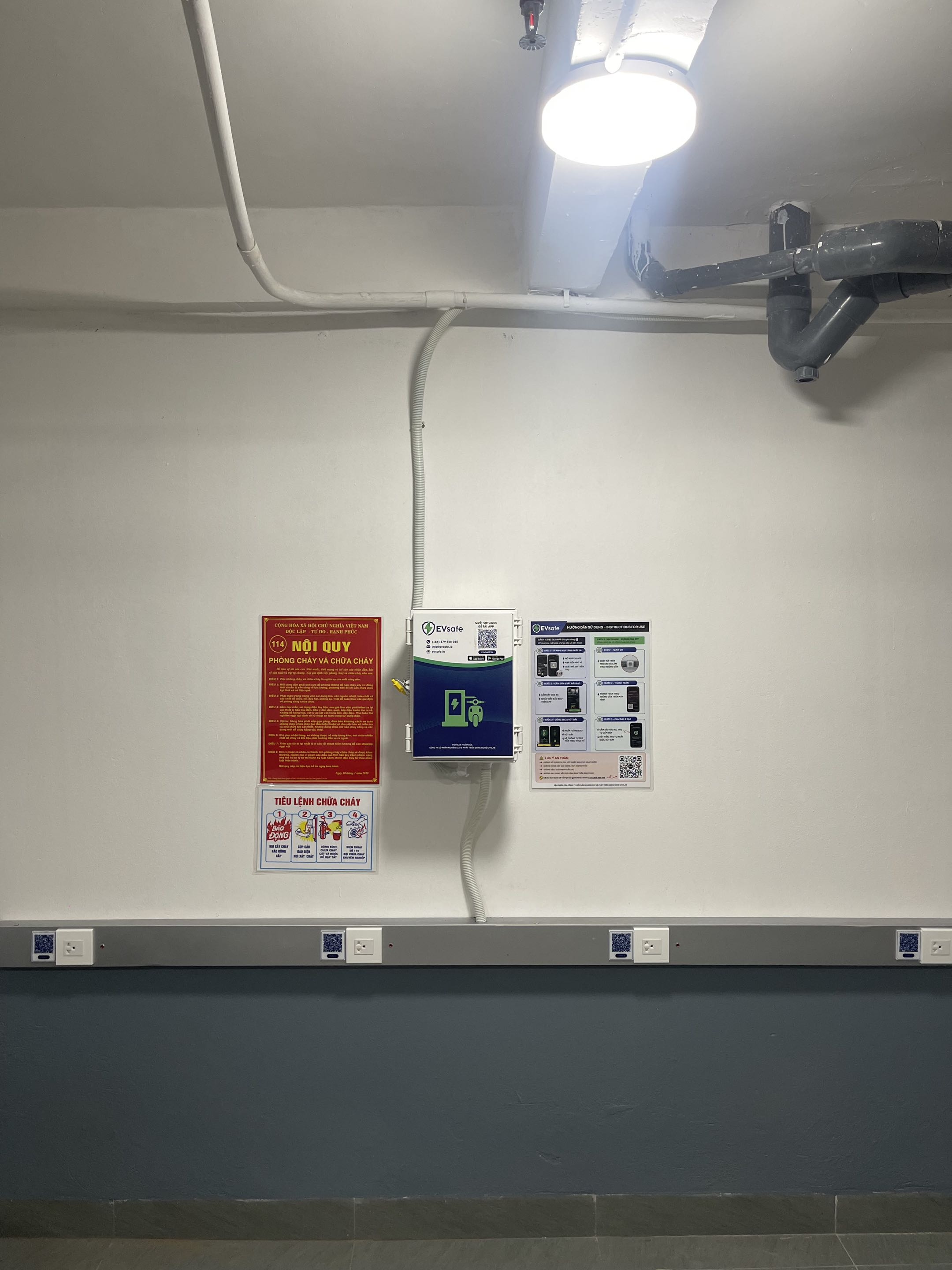
Unlike cars, electric motorcycles in Vietnam do not have a unified charging port standard. Most motorcycles use a separate charger from the manufacturer that plugs into a 220V outlet, and some brands use interchangeable batteries. Therefore, public electric motorcycle charging stations often provide safe outlets (with electricity measurement and automatic disconnection when full or overloaded) for customers to plug in their own chargers.
Below are some EVsafe electric motorcycle charging stations that are currently operational:
How to check if your vehicle is compatible with the charging station
- Look at the charging port on your vehicle: if it has 2 large DC pins at the bottom, it's CCS2, and can charge at both DC CCS2 and AC Type 2 stations. If it only has a round 7-pin connector, it's Type 2, and can only charge at AC stations.
- Check the maximum DC power of your vehicle in the user manual or the manufacturer's website. A more powerful charger does not make the car charge faster than the car allows, but it also does not cause harm.
- With AC chargers: check if the charger has a built-in cable (attached gun) or only a socket, in which case you need to bring your own Type 2 cable.
- Adapters: AC adapters are relatively common; DC adapters between GB/T and CCS2 require caution because they involve high voltage safety and may affect the warranty.
- Check the charging station map to know what type of charger and power output the station has before you go, for example the EVsafe charging station map.
Frequently Asked Questions
Can VinFast cars be charged with CCS2 chargers?
Yes. VinFast electric cars use the CCS2 port, so they can be charged at any standard CCS2 DC charger, not just the manufacturer's own chargers.
Can a Type 2 gun be plugged into a CCS2 port?
Yes. The Type 2 gun plugs into the top half of the CCS2 port for AC charging. The two DC pins at the bottom are only used for fast charging.
If a car can only receive 60 kW and is plugged into a 120 kW charger, will it harm the battery?
No. The car and charger exchange information continuously, and the charger only supplies the correct power and voltage that the car requires.
Is CCS2 a mandatory standard in Vietnam?
The national standard TCVN 13078 regulates the requirements for charging systems and stations according to IEC 61851, but in reality, CCS2 and Type 2 are the standards that almost all car manufacturers and large charging networks are using.
What standards do EVsafe chargers support?
EVsafe's car chargers follow the standards currently in use in Vietnam: AC Wallbox chargers with 7, 11, 22 kW Type 2 output (with optional Type 1), and DC fast chargers from 20 kW to 360 kW using CCS2, meeting IEC 61851, IEC 62196, and ISO 15118 standards. See details at the EVsafe car charger page or find a station near you on the charging station map.
References
- TCVN 13078-1:2020 and TCVN 13078-23:2020, Vietnam Institute of Standards and Quality
- VinFast: Types of electric vehicle charging ports
- Combined Charging System (Wikipedia)
- CHAdeMO 3.0 and ChaoJi, CHAdeMO Association
- SAE J3400 (NACS), Joint Office of Energy and Transportation (US)
- BYD Atto 3, Seal, Dolphin: charging specifications