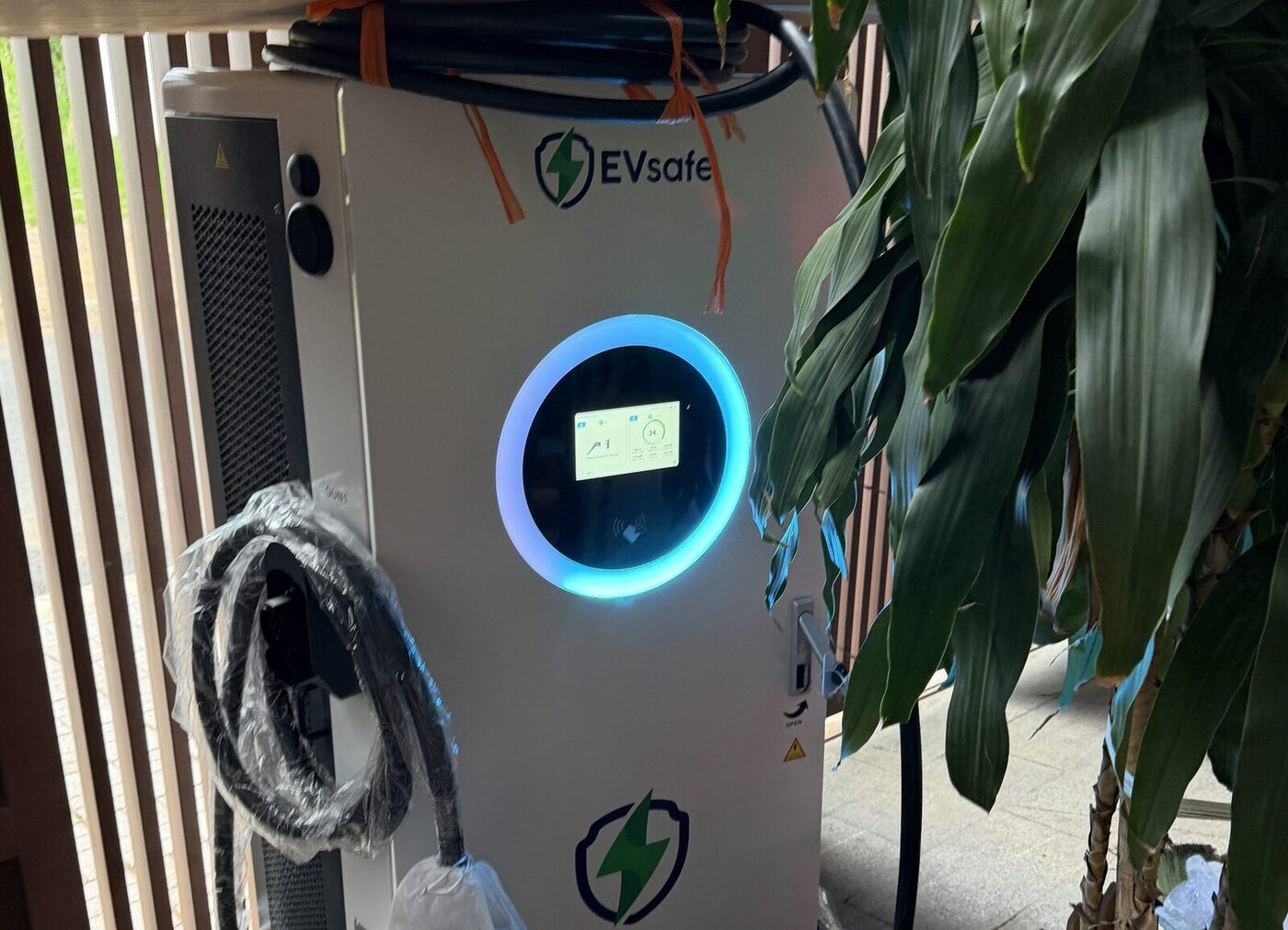
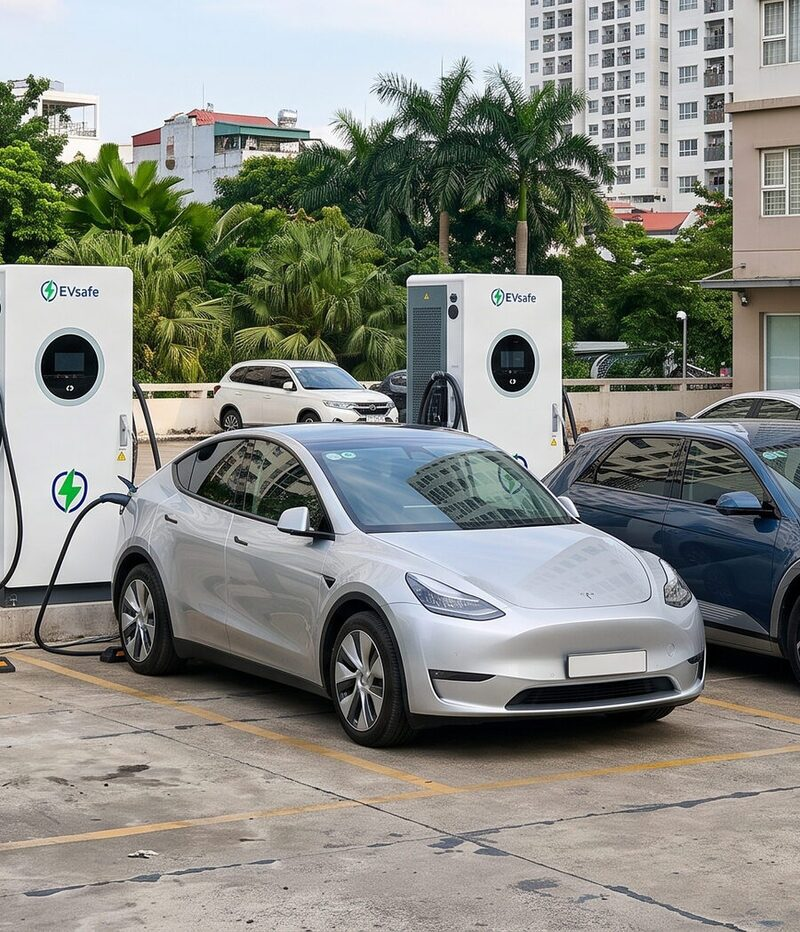
A rundown of 5 common mistakes when installing electric motorbike charging stations that can leave property owners absorbing losses, losing tenants, and facing operational risks.
Installing electric motorbike charging stations at mini apartment complexes, rental housing, and parking lots is emerging as a promising new cash-flow model. However, if you invest on impulse without properly assessing the technical and operational conditions, property owners can easily end up subsidizing electricity costs, sparking disputes among residents, and facing unnecessary legal risks.
Below are the real mistakes that property owners are most likely to make. Let's review them so you can optimize your capital right from the earliest stage of deployment.
1. Choosing a location on a 'wherever is convenient' basis
Many owners tend to make use of dead corners, deep inside enclosed basements, or right next to shared walkways to install charging stations in order to save space.
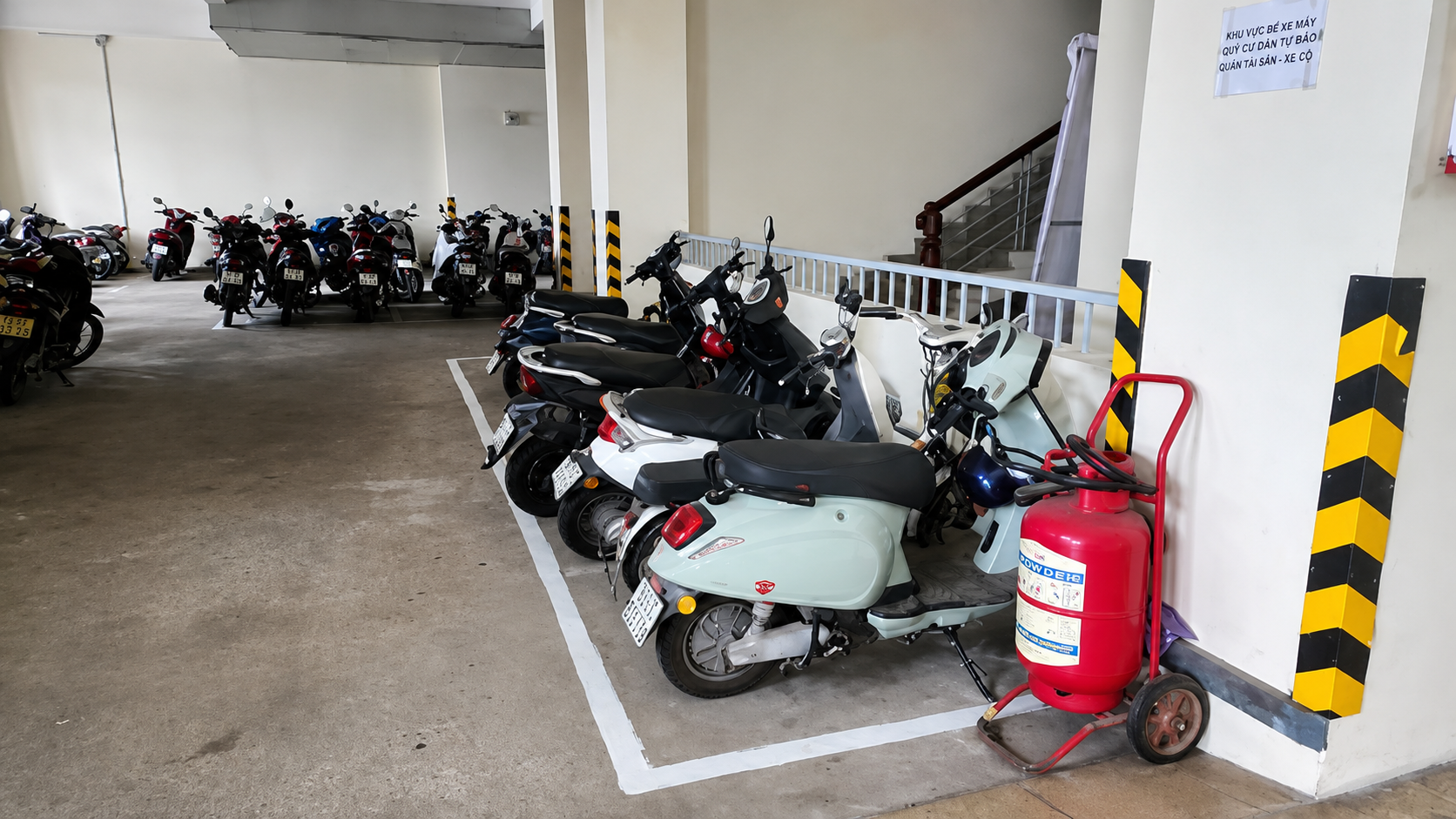
In reality, electric vehicles parked in shared walkways cause inconvenience for other vehicles and can easily lead to collisions and unnecessary disputes among residents. More dangerously, placing charging stations in enclosed basement corners with poor ventilation causes a large build-up of heat when many vehicles charge together overnight, making the parking area stuffy and lowering its appeal in the eyes of prospective tenants.
The location of an electric motorbike charging station must be in a well-ventilated area, near the basement entrance or the exit, so heat can dissipate easily, and it must never block an emergency escape route. Plan and clearly separate the areas for electric vehicles and gasoline vehicles from the outset to ensure a tidy appearance and preserve the long-term value of the property.
2. Using homemade equipment or cheap charging posts to 'cut costs'
Wanting to minimize their initial investment and recover capital quickly, some owners choose to buy ordinary sockets, low-quality wiring, or homemade charging systems of unknown origin and wire them up themselves.
These cheap devices typically lack core safety features such as auto cut-off or leakage-current protection. When many vehicles are plugged in overnight, the system is highly prone to overloading, causing voltage drops, short circuits, and even harming the lifespan of customers' batteries.
Once a technical incident occurs in the parking area, the owner not only suffers reputational damage and heavy liability for property compensation, but also faces serious legal problems.
The core of the electrical infrastructure business lies in the durability and safety of the equipment. Owners should prioritize dedicated charging posts that meet the mandatory technical standards: a built-in temperature sensor at the charging core, a feature that fully cuts off the current when the battery is full, and a residual-current device (RCD) for leakage protection.
Today, EVsafe's smart charging station lines already come with these standards built in, allowing the parking area to operate safely on its own without anyone needing to monitor the load.
3. Installing carelessly without a thorough survey of the property's electrical load
The electrical systems in rental housing and older collective housing were only sized for basic living needs. Wiring a charging station system directly into the building's existing power grid without measuring the actual total power consumption is a move fraught with risk.
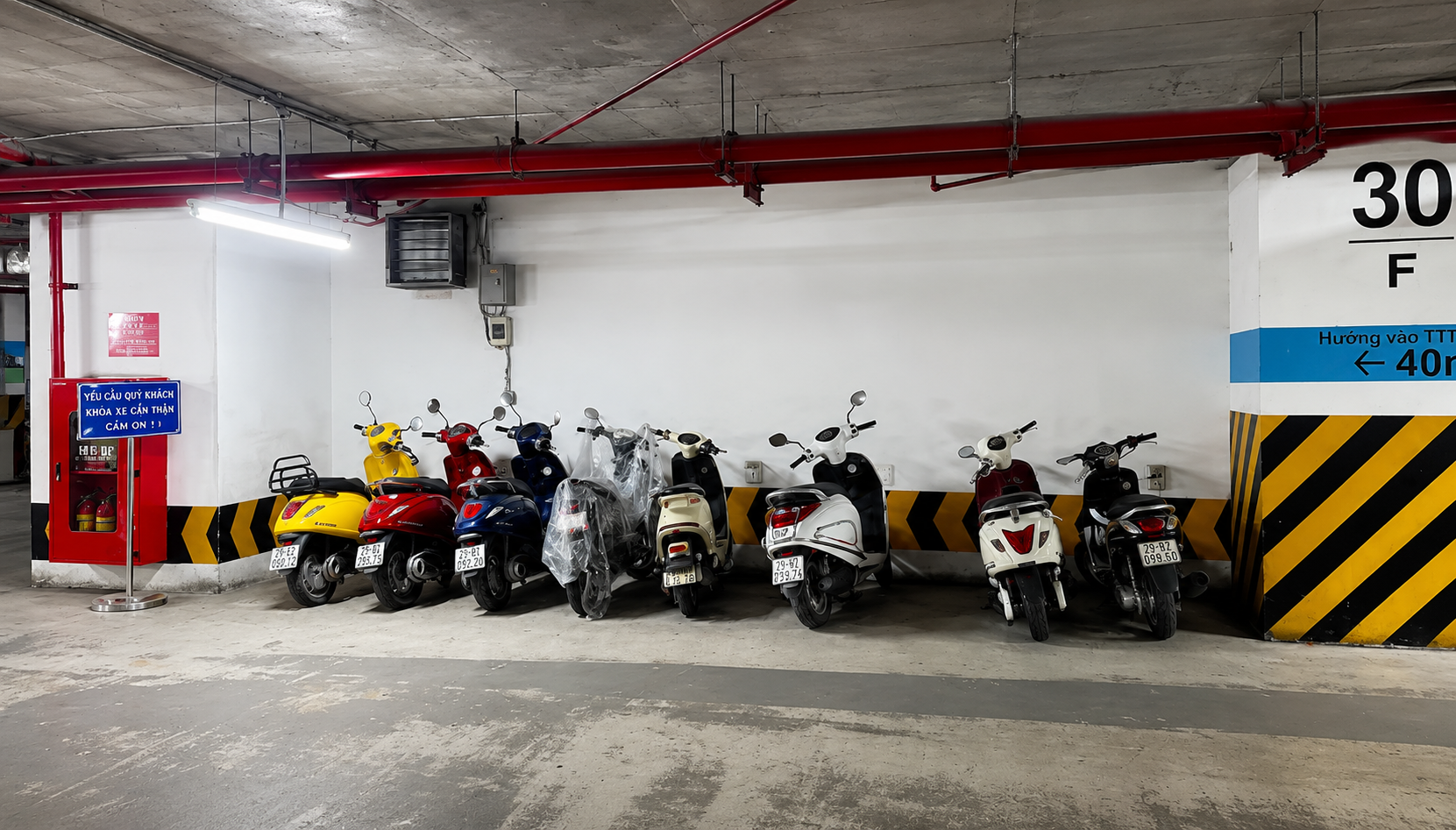
Cramming in a whole fleet of electric vehicles charging at once during peak hours can easily cause localized voltage drops and constantly trip the circuit breaker, disrupting life throughout the building. On top of that, when the authorities carry out periodic inspections and find that the electrical infrastructure does not meet the safety conditions for the load, the owner may well be ordered to suspend the charging operation, wasting the earlier infrastructure investment.
Before deploying an electric motorbike charging station, owners should carefully carry out the step of measuring and checking the building's actual total electrical load in order to determine the charging-station scale that best fits the existing infrastructure.
4. Failing to keep up with legal regulations and safety standards
Today, fire-safety standards for multi-story, multi-unit residential buildings (mini apartments) and parking lots are being tightened and rigorously inspected. In addition to complying with building standard QCVN 06:2022/BXD (and Amendment 1:2023), the EV charging area needs isolating fire-prevention measures and an automatic power cut-off system synchronized and linked with the building's fire alarm system.
Operating a spontaneously set-up charging area without dedicated firefighting equipment or a surveillance camera system will leave the owner exposed to citations, administrative fines, and demands to suspend operations whenever an inter-agency inspection takes place.
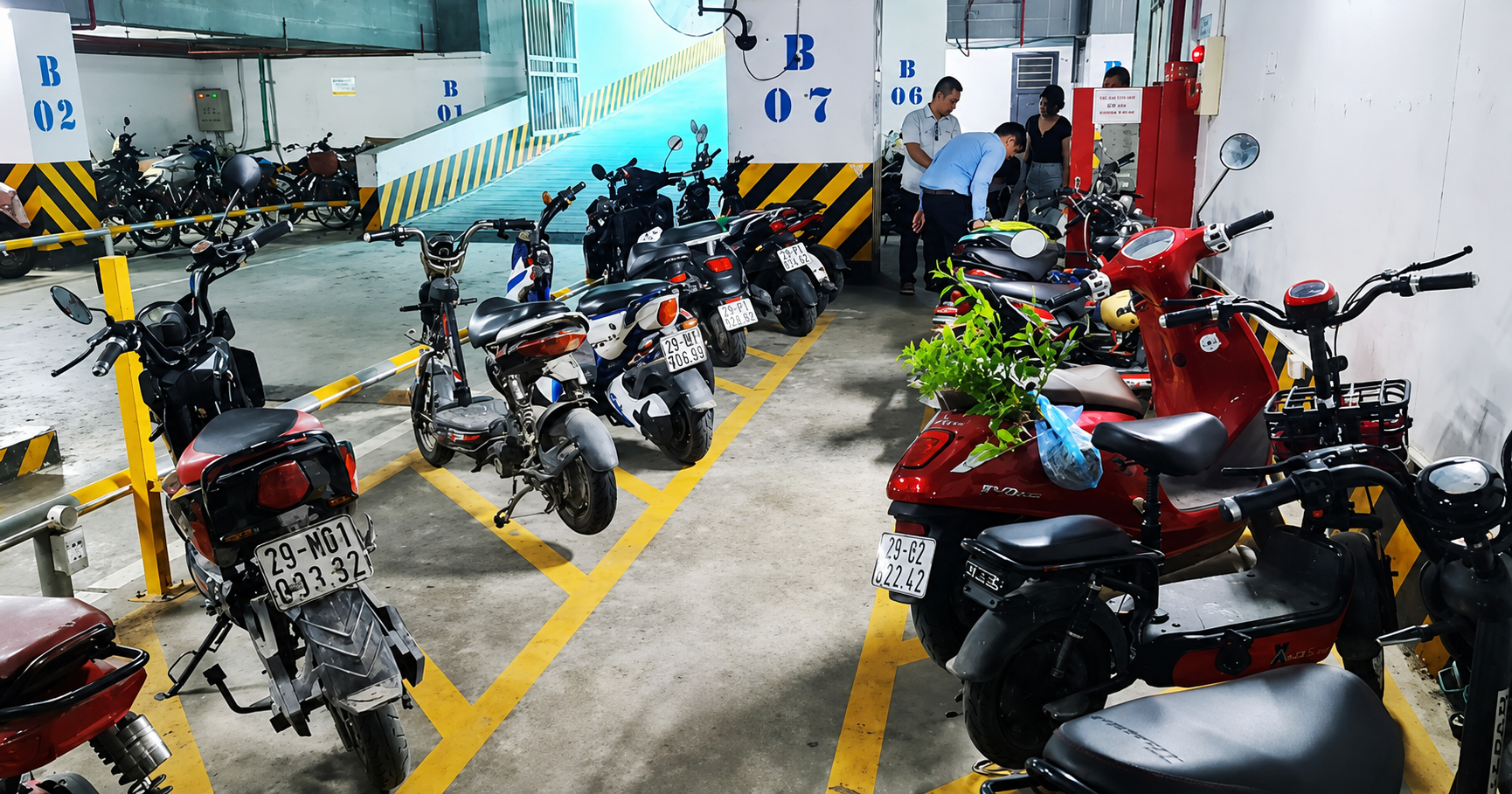
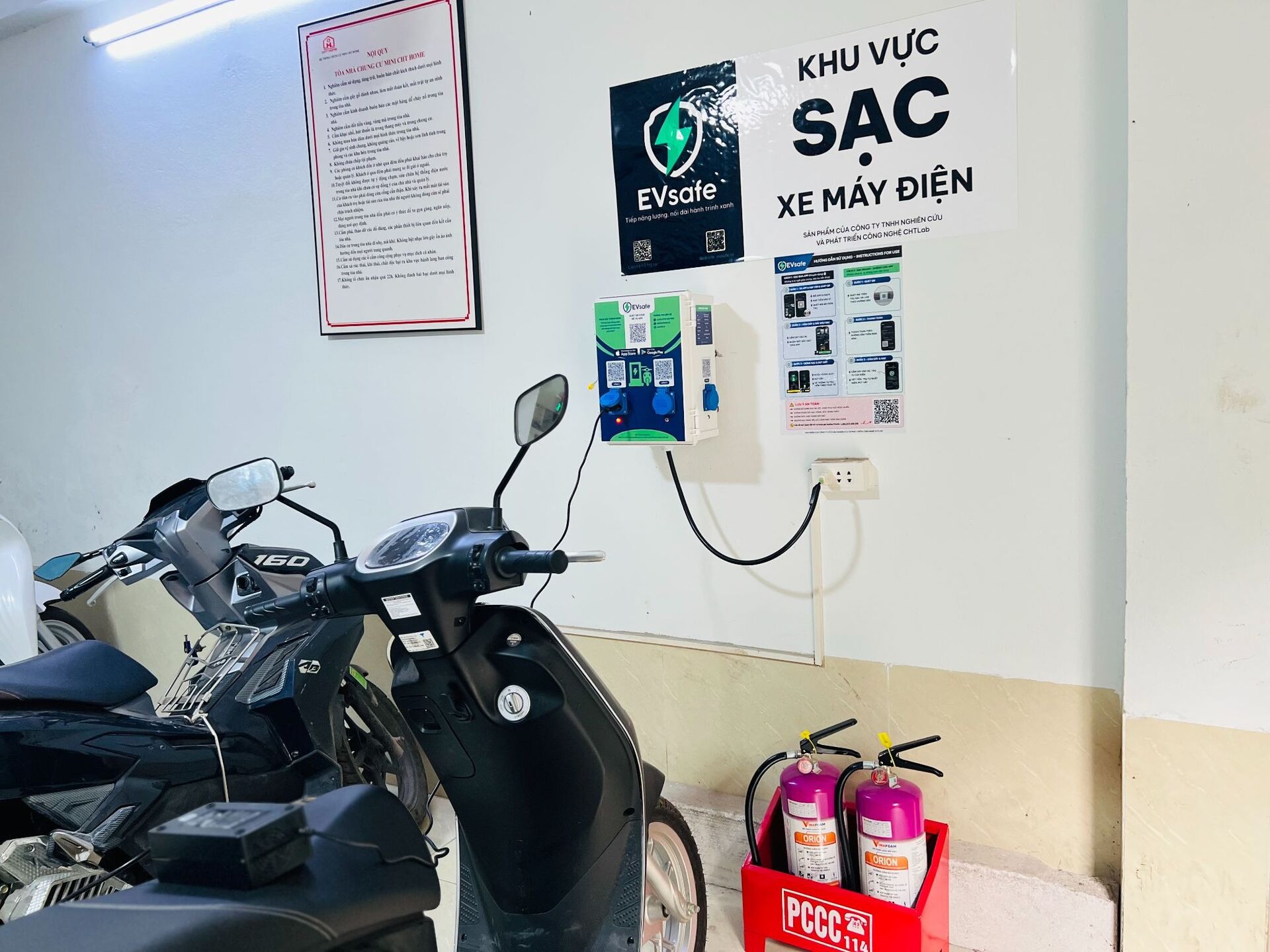
If you want to run the charging-station model over the long term and sustainably, complying with the law from the very start is mandatory. The charging-station area must be equipped with a manual Emergency Stop button, fitted with 24/7 surveillance cameras, and provided with dedicated firefighting equipment suitable for electrical devices. This not only lets owners operate with confidence but also boosts competitiveness and attracts residents to move in.
5. Letting the charging station run loose, collecting payments manually
Buying charging posts, installing them, then handing them over to a security guard to record in a ledger, collect cash monthly, or charge a flat rate per vehicle is a rather outdated and labor-intensive way to operate.
Manual management means you cannot control the actual electricity consumption of each vehicle, easily leading to losses or having to subsidize the electricity bill without even realizing it. Moreover, vehicles that are already fully charged but stay plugged in, hogging space day after day, reduce the utilization of the parking area, causing the business model to clog up and slowing down the return on capital.
To resolve this economic problem once and for all, digitizing the parking area is an inevitable trend. The charging system needs to be connected to management software (CMS) with automation features: the current only turns on once the user scans a QR code and pays in advance through the app.

Through this, owners can control cash flow and each vehicle's electricity consumption in real time right on their phone. Payment collection becomes transparent, with revenue matching every unit of electricity used, and it completely frees up the labor of management staff.
EVsafe - Smart charging station solutions for buildings
Getting ahead with green infrastructure by installing electric motorbike charging stations to optimize a property's cash flow is an inevitable trend, but planning and safety must always come first. Keeping the 5 mistakes above under control will help owners protect their capital and enhance the value of their real estate.
EVsafe is a provider of professional electric motorbike charging station solutions, optimally suited to mini apartments, office buildings, and collective housing. We accompany investors from the electrical-load survey and site design all the way to the handover of automated operations-management technology.
Has your building already been planned with smart charging infrastructure? Leave your details right below this article or contact us directly for completely free on-site survey support!
- Hotline: 0879 558 085
- Website: evsafe.io