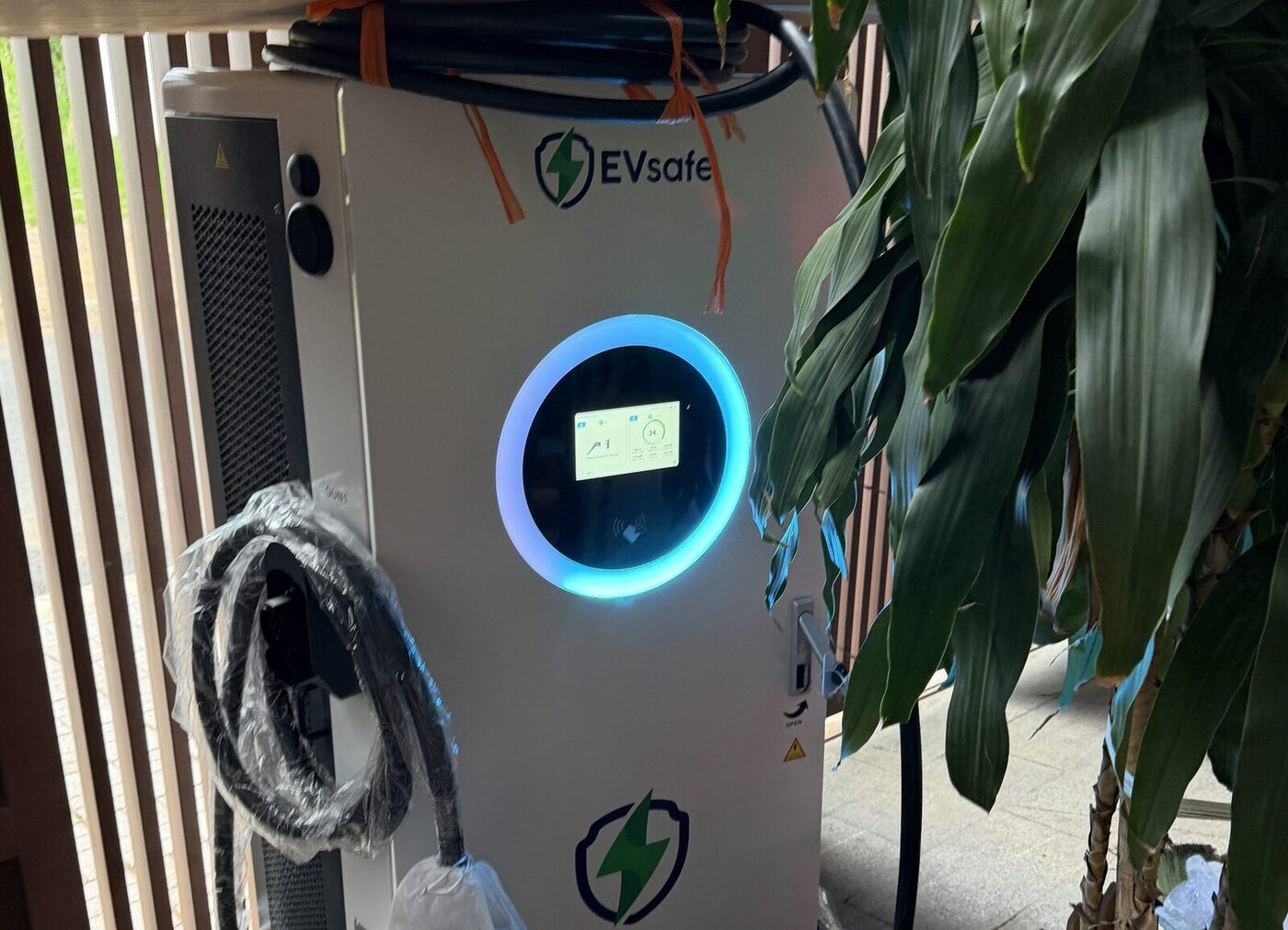
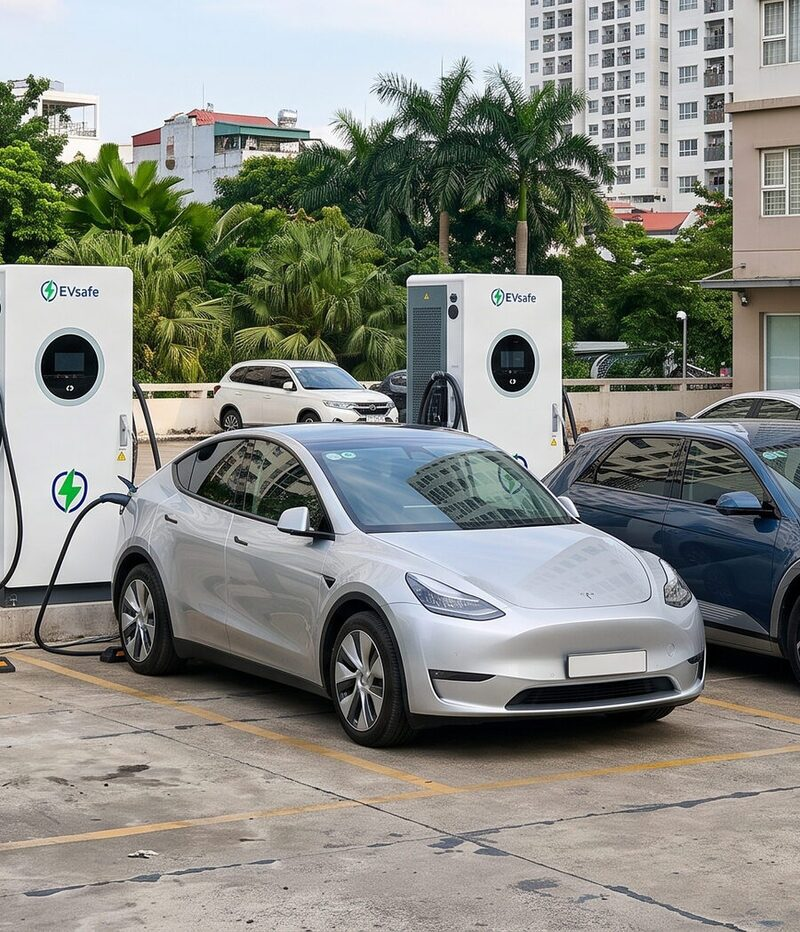
Operating a network of charging stations with thousands of charging sessions per month, EVsafe evaluates 5 popular electric motorbike models in 2026 based on a criterion that few people mention: how easy it is to charge.
Most electric motorbike reviews focus on the vehicle's design, speed, and price. But after the vehicle is taken home, the factor that determines daily experience is charging: how long it takes to fully charge, whether the battery is safe when charged overnight, and whether there are charging points when traveling far. That is the perspective of this article.
EVsafe is a unit that installs and operates electric motorbike charging stations, recording thousands of charging sessions of various vehicles on the system every month. The ranking below is based on 4 criteria: actual charging time, battery safety during long charging, ability to utilize public charging stations, and energy cost per kilometer. This is an independent evaluation by the EVsafe team, with no vehicle models sponsoring the article. Technical specifications are based on the manufacturer's announcements as of August 2026.
1. VinFast Evo200 - Popular, Easiest to Charge with Existing Infrastructure
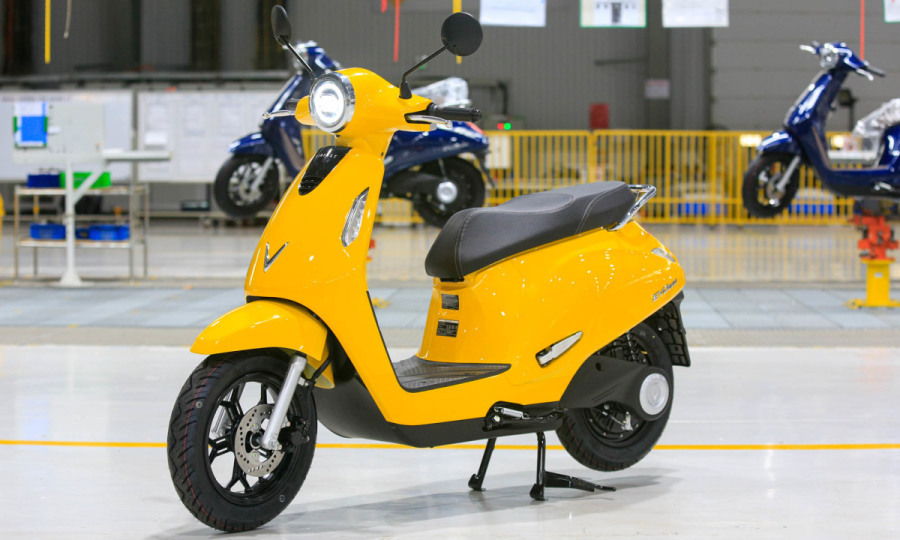
Photo: VnExpress (vnexpress.net)
The Evo line is the most popular electric motorbike in Vietnam currently, and that in itself is an advantage in terms of charging: almost every public charging station, including the EVsafe system, encounters Evo vehicles every day, so the charging standard is widely supported. The LFP battery has better heat resistance than many other types of batteries, suitable for the hot and humid climate and families that have to charge overnight.
Key specs: LFP battery 3.5 kWh (weighing 28 kg), standard charging 400 W fully charged after about 10 hours, fast charging 1,000 W reduced to about 4 hours, announced range 203 km, maximum speed 70 km/h.
The downside is that the charger that comes with the vehicle is quite slow, to charge quickly, you need to buy an additional 1,000 W charger. On the other hand, for those who travel less than 50 km per day in the city, plugging in to charge overnight like charging a phone is enough. Scoring from a charging perspective: 4.5/5.
2. Dat Bike Quantum - for those who drive a lot, the fastest charging in its segment
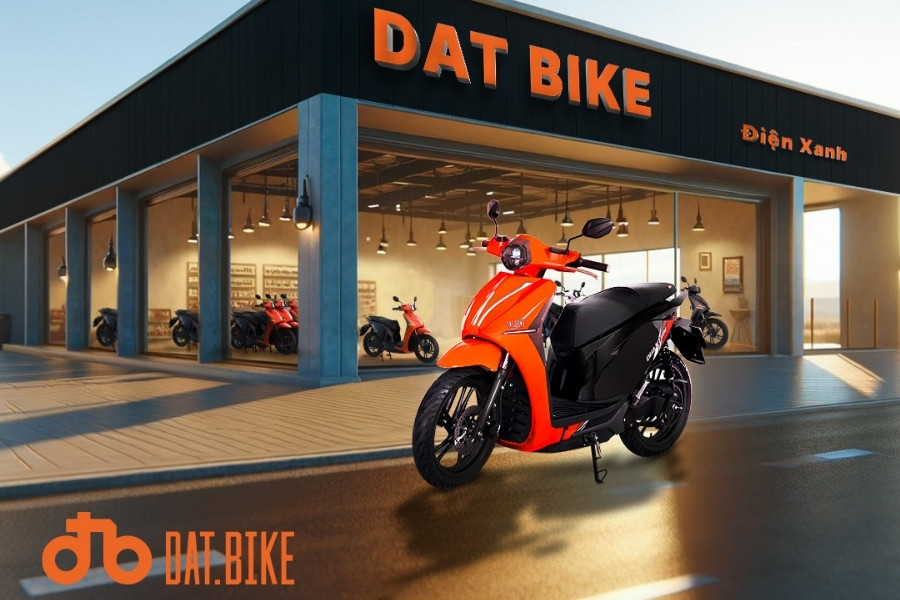
Photo: Dat Bike (dat.bike)
Dat Bike goes against the crowd: large capacity battery and fastest charging speed among popular vehicles in Vietnam. Those who drive tens to hundreds of kilometers per day, or often forget to charge the night before, will see a clear difference - stopping at a rest station for a meal is enough to charge and continue driving instead of waiting for half a day.
Key specs (Quantum S1): LFP battery 6.4 kWh - nearly twice that of the Evo200, 1,800 W charger fully charged after about 4 hours, announced range 285 km, 7,000 W motor, the company announces a battery lifespan of up to 350,000 km with 80% capacity remaining.
In exchange, the vehicle price is higher than the average and the network of stores is thinner than that of large manufacturers. Charging at 1,800 W also requires the on-site power source to be constructed seriously - makeshift household wires cannot handle the load when charging multiple vehicles at the same time. Scoring from a charging perspective: 4.5/5.
3. Selex Camel - battery swapping instead of charging, the standard for delivery people
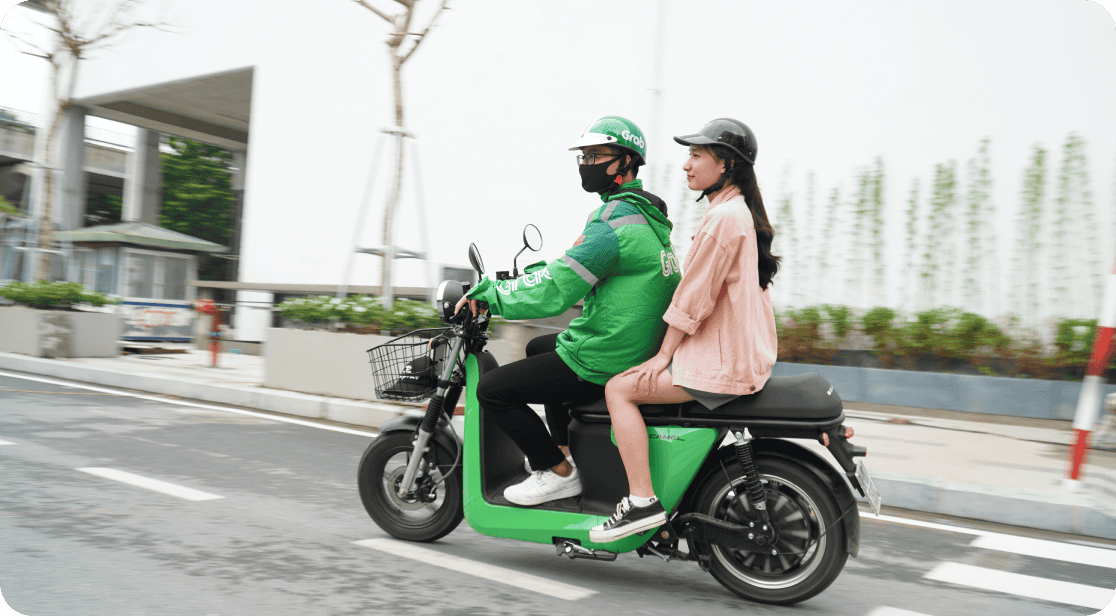
Photo: Selex Motors (selex.vn)
Selex has chosen the path of battery swapping: when the battery is depleted, just stop by a station to swap it for a full one in less than a minute, instead of waiting to charge. For shippers and service drivers, waiting time for charging is money, so this model is almost unbeatable in the high-intensity group in areas with battery swapping stations.
Key specifications (Camel 2): 4,000 W motor, 140 Nm torque, can be installed with up to 3 quick-swap battery packs for a claimed range of up to 150 km, and a permitted load of 225 kg - a number that clearly indicates the vehicle is designed for cargo transport.
The limitation lies in the coverage area: leaving the area with battery swapping stations means reverting to regular charging. Family users who drive less also find it difficult to fully utilize the value of the battery rental model. Scoring from a charging perspective: 4/5.
4. Yadea - a wide network of dealers, a safe choice for the majority
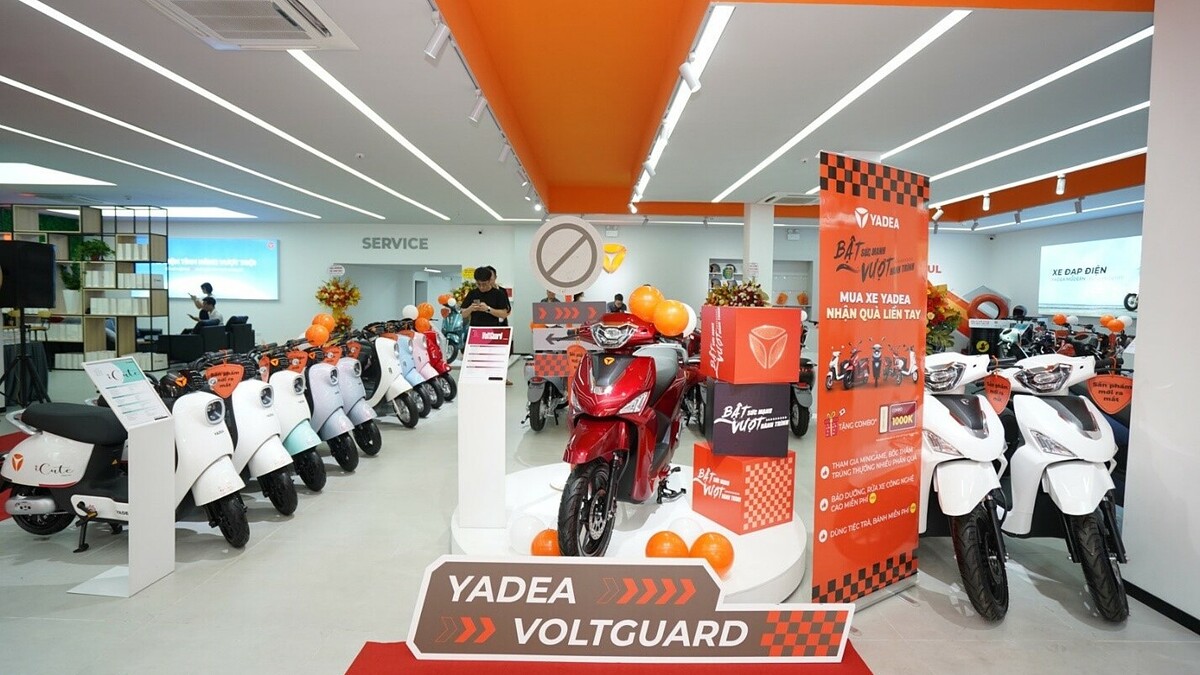
Photo: VnExpress (vnexpress.net)
Yadea is a bestselling global electric vehicle brand with a wide network of dealers in Vietnam, from cities to rural areas. The vehicles use the common AC charging standard, making it easy to find accessories and repair, and the batteries in new models have significantly improved lifespan thanks to Graphene TTFAR technology.
Reference specifications for two typical models: Vekoo for students and university students uses a 1,000 W motor, 48V-22Ah battery, and a top speed of 38 km/h without requiring a driver's license; Voltguard U for commuters uses a 4,300 W motor, with a claimed range of 112 km.
There are no outstanding charging features to mention, but also no major weaknesses - a well-rounded choice. Note from operating experience: some old models use low-quality chargers that come with the vehicle, so it's essential to check carefully when buying used vehicles. Scoring from a charging perspective: 4/5.
5. Honda ICON e: a notable newcomer for short distances
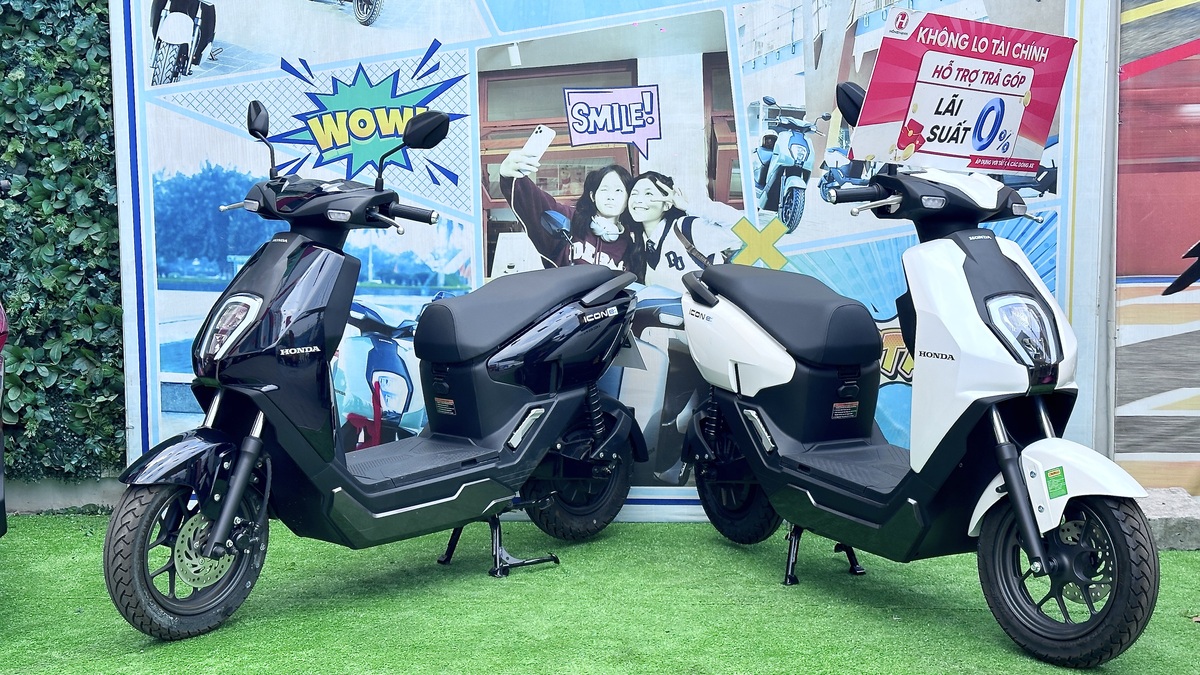
Image: VnExpress (vnexpress.net)
Honda enters the Vietnamese electric motorcycle market with the advantage of quality assembly and a widespread network of HEAD stores. The ICON e: is positioned for short distances in the city: compact battery, simple home charging, suitable for students, office workers, and those with short commutes.
Key specifications: 1.5 kW engine (up to 1.81 kW), 85 Nm torque, maximum speed 48 km/h - no driver's license required, removable lithium battery meeting the IP67 water-resistant standard, charging from 25% to 75% in approximately 3.5 hours. The announced range is 71 km; domestic test drives have recorded actual ranges of around 45-55 km when carrying two people and stopping at many red lights.
The small battery capacity means that long trips require planning, and the public charging ecosystem for Honda electric motorcycles is still in its early stages. Scoring from a charging perspective: 3.5/5.
| Model | Battery | Charging | Announced range | Charging score |
|---|---|---|---|---|
| VinFast Evo200 | LFP 3.5 kWh | 400 W (~10 hours), fast charging 1,000 W (~4 hours) | 203 km | 4,5/5 |
| Dat Bike Quantum S1 | LFP 6.4 kWh | 1,800 W (~4 hours) | 285 km | 4,5/5 |
| Selex Camel 2 | Up to 3 packs with quick replacement | Battery replacement in under 1 minute at a station | Up to 150 km | 4/5 |
| Yadea Vekoo / Voltguard U | 48V-22Ah / dual lithium battery | AC charging with the vehicle | Announced range for each model, up to 112 km | 4/5 |
| Honda ICON e: | Removable lithium battery, IP67 | 25-75% in ~3.5 hours | 71 km (actual ~45-55 km) | 3,5/5 |
Choose a vehicle based on your charging habits, not just specifications
Experience from operating stations: users who regret buying electric vehicles are not usually because the vehicle is weak, but because the energy charging method does not match their daily habits. For those who have a private yard and drive infrequently, any car that can charge overnight is fine. For those living in rented houses or apartments where charging is not allowed indoors, it's best to prioritize popular vehicle models for easy use of public charging stations, or opt for a battery swap model altogether. For commercial vehicles, charging time is a cost, so calculate it in monetary terms.
Charging at home: a long connection cable is not charging infrastructure
Most electric vehicle fire and explosion incidents do not occur in the vehicles themselves, but in the charging process: overloaded household cables, loose sockets, and non-standard chargers. Note the numbers above: a vehicle charging at 400-1,800 W, ten vehicles charging at the same time is 4-18 kW - equivalent to a household with all devices turned on at the same time. If your building or apartment complex has many electric vehicles, the correct solution is a dedicated charging system with automatic power cut-off and temperature monitoring - that's what EVsafe does every day, providing free site surveys for homeowners and building management boards.