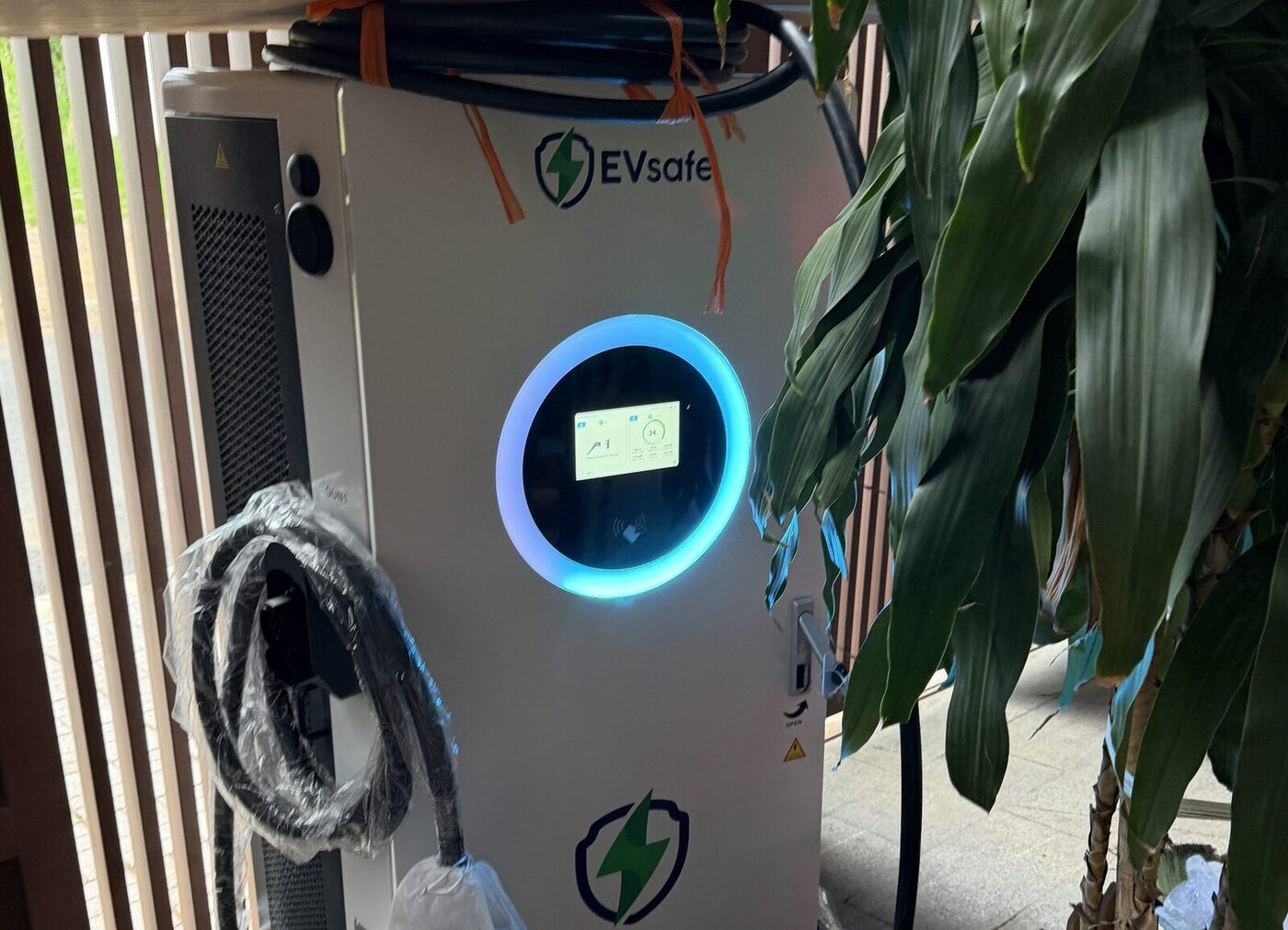
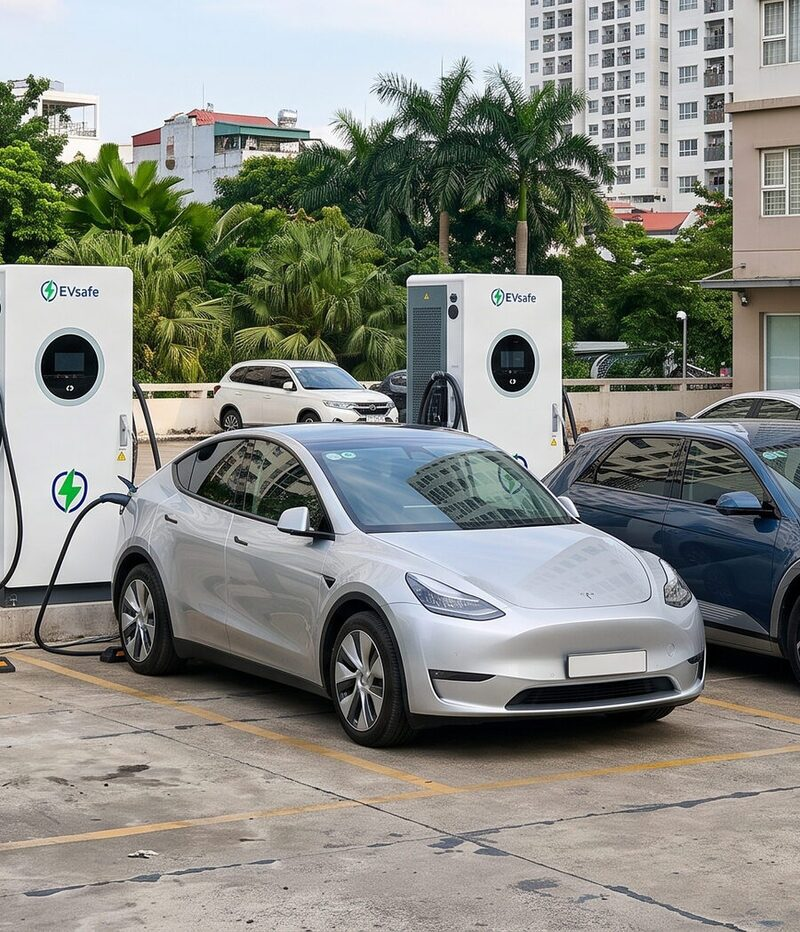
Full list of standards EVsafe is operating: OCPP 1.6J/2.0.1, OCPI 2.2.1/2.3.0, IEC 61851, CCS2, TLS 1.3 - and why OCPI makes EVsafe the first interoperable charging network in Vietnam.
In the previous article, EVsafe explained what OCPP and OCPI protocols do in a charging station infrastructure. This article answers a more specific question that many investors and technical partners have raised: what standards is EVsafe supporting, what versions, and what does that open up for electric vehicle users in Vietnam.
OCPI: EVsafe is the first unit in Vietnam to deploy interoperable charging
OCPI (Open Charge Point Interface) is a roaming protocol: it allows two different charging networks to "talk" to each other, so that users of one network can charge at the other network's station without needing to install additional apps or create new accounts. In Europe, OCPI is the reason a driver can travel across three countries with a single charging account.
EVsafe is the first unit in Vietnam to deploy OCPI (versions 2.2.1 and 2.3.0) on its station network. Practical meaning: other ecosystems of cars and charging apps - from car manufacturers, e-wallets to mapping platforms - can connect to the EVsafe network via open standards, and their users can charge at EVsafe stations as if they were their own: see stations, see prices, charge and pay seamlessly.
For property owners who install EVsafe charging stations, roaming means a station can serve multiple user communities at the same time - not locked into a single ecosystem, revenue is not dependent on a single source of customers.
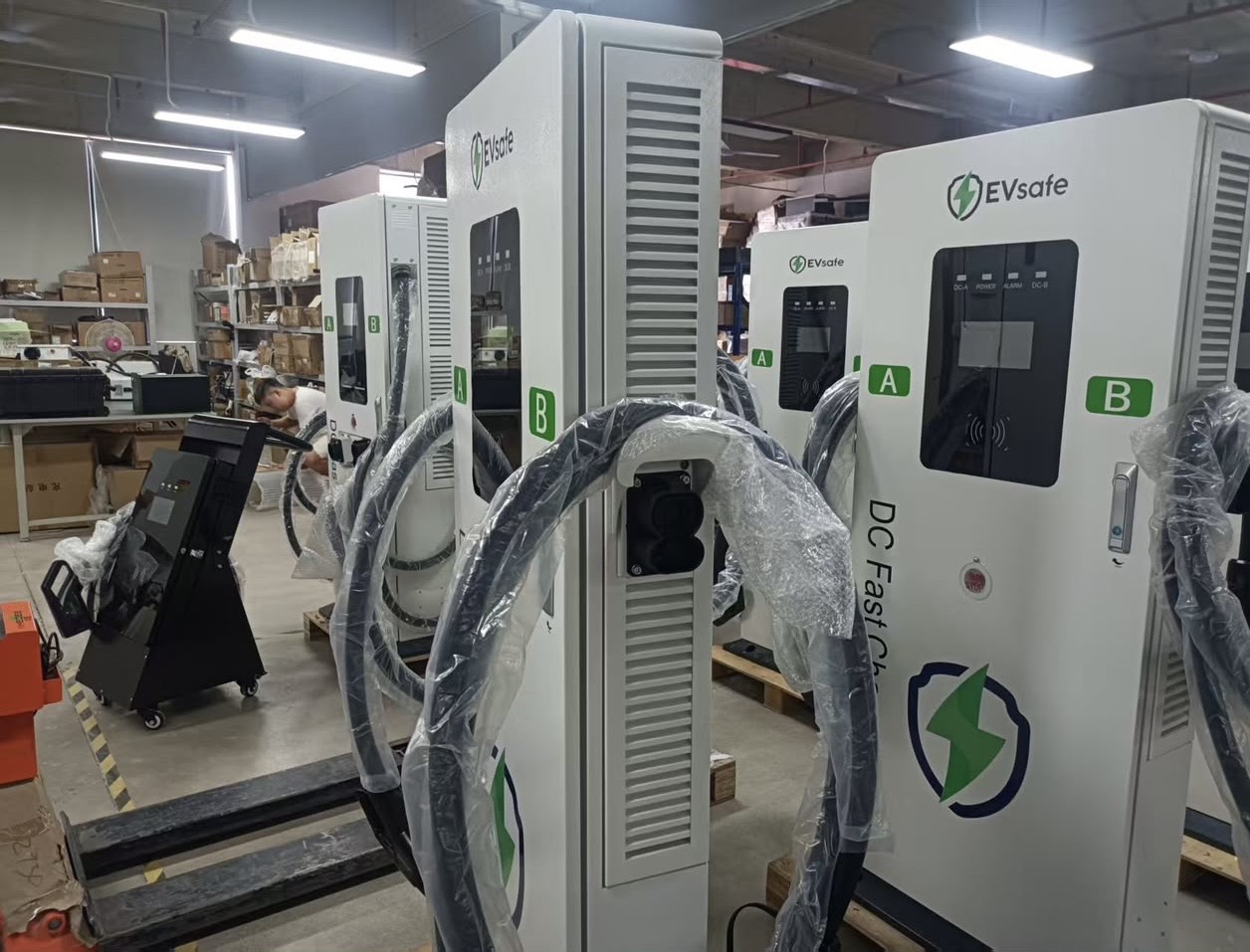
Photo: EVsafe
Table of standards EVsafe is supporting
| Standard | Version / variant | Role in the system | Status |
|---|---|---|---|
| OCPP | 1.6J and 2.0.1 | Communication between charging station and central control system: start/stop charging session, measurement, monitoring, remote update | In operation |
| OCPI | 2.2.1 / 2.3.0 | Inter-network roaming: opening EVsafe stations to users of other ecosystems | In operation - first in Vietnam |
| IEC 61851 | AC/DC charging mode | Safe charging procedure: handshake between vehicle and station, current control, disconnection in case of incident | Designed and operated according to standard |
| IEC 62196 / CCS2 | Type 2, Combo CCS2 | Physical connector standard for AC and DC vehicle charging | In operation |
| TLS | 1.3 | Encryption of the entire data channel between station - backend - roaming partner | In operation |
| ISO 15118 | Plug & Charge, Smart Charging | Plug and charge (vehicle self-authenticates, no need to scan code) and smart charging | Roadmap |
What each standard solves - in everyday language
OCPP 1.6J / 2.0.1: is the "nervous system" between each charging station and EVsafe's central control. Thanks to it, stations in Buon Ma Thuot or Hanoi are monitored, diagnosed for errors and updated remotely in the same way; property owners can view revenue in real-time; and when needed, EVsafe can replace the backend or add stations from other hardware vendors without having to redo everything - because OCPP is an open standard, not locked to a supplier.
OCPI 2.2.1 / 2.3.0: is the "passport" of the station network. Each EVsafe station is described in a common language - location, connector type, power, price, real-time availability - so that any platform that connects can read and allow its users to charge directly.
IEC 61851: regulates the safety sequence of a charging session - the vehicle and station must "shake hands" to confirm before power is supplied, the current is controlled throughout the session, and disconnected immediately in case of abnormality. This is the protection layer that makes charging at the station much safer than plugging into a household outlet.
IEC 62196 / CCS2: the charging connector standard used by Europe and most car manufacturers in Vietnam for electric vehicles - Type 2 for AC charging and Combo CCS2 for fast DC charging. Vehicles that follow this standard can be plugged into EVsafe charging stations seamlessly.
TLS 1.3: the latest encryption version of the security protocol used in online banking, applied to the entire transmission path between charging stations, backend, and roaming partners - charging session and payment data cannot be eavesdropped or tampered with.
ISO 15118: the next step on the roadmap
ISO 15118 is the standard that allows Plug & Charge: plugging in the cable automatically authenticates and pays for the vehicle, no need to scan codes, no need to open the app. The Smart Charging part of this standard also allows limiting power according to the electrical infrastructure of each building and optimizing charging sessions according to the electricity price of each time frame - charging more when electricity is cheap, reducing load when the grid is congested.
EVsafe has incorporated ISO 15118 into its development roadmap because the foundation is already in place: OCPP 2.0.1 backend and TLS 1.3 channel are the two technical conditions that Plug & Charge requires.
Why open standards are EVsafe's strategic choice
A closed charging network retains customers with barriers; an open charging network retains customers with quality. EVsafe chooses the latter: the entire system is built on open standards so that any partner - car manufacturers, delivery fleets, map applications, payment wallets - can connect, and end-users can charge at multiple locations with just one account they already have.
Partners who want to learn about connecting OCPI or property owners who want to install charging stations in this interconnected network can view the open map of over 27,000 charging points nationwide or register for a free survey.