Explaining DC fast charging, its difference from AC charging, the power range from 30kW to 360kW, and the actual charging time for electric vehicles.
When learning about electric vehicle charging stations, many people who are new to the topic often get confused by the two concepts of AC and DC fast charging. Understanding the differences between these two types helps drivers choose the right charging point, while property owners can choose the right type of station to invest in. This article explains the nature, power range, and actual charging time of each type.
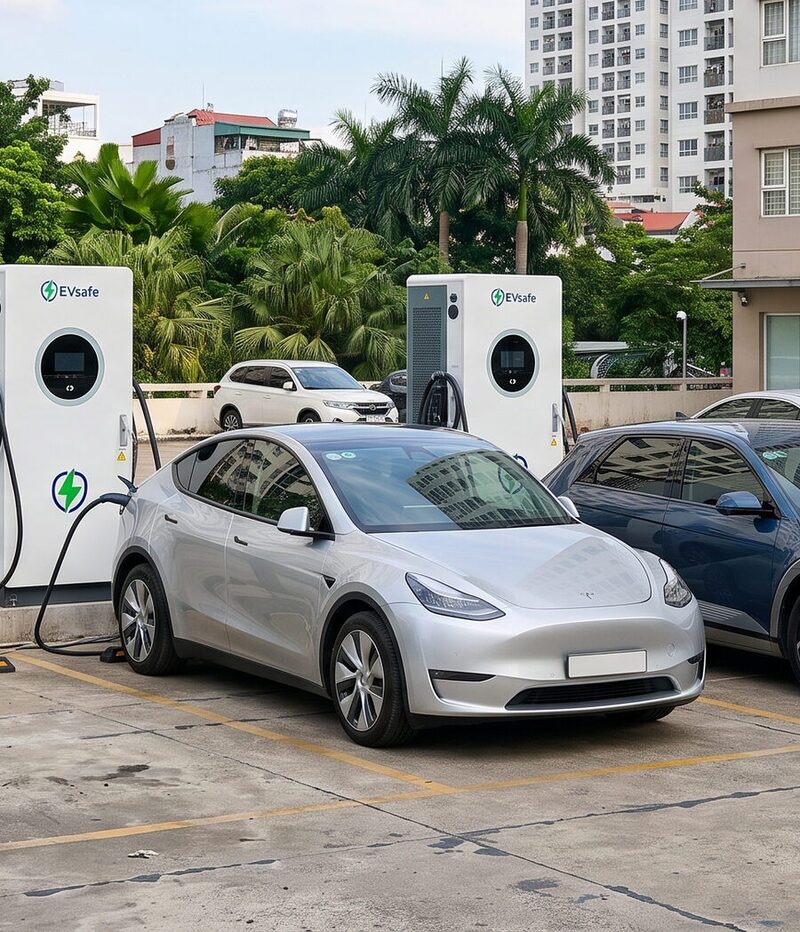
How do AC and DC fast charging differ
The core difference lies in where the electric current is converted. Electric vehicle batteries can only be charged with direct current DC. With AC charging, the station provides alternating current, and the onboard charger in the vehicle is what converts it to direct current to charge the battery. Since the onboard charger has a limited power capacity, the charging speed is limited by the vehicle.
With DC fast charging, the conversion process takes place directly in the charging station, and then the direct current is sent straight to the battery. By bypassing the limitations of the onboard charger, DC stations can provide much higher power, significantly reducing the charging time.
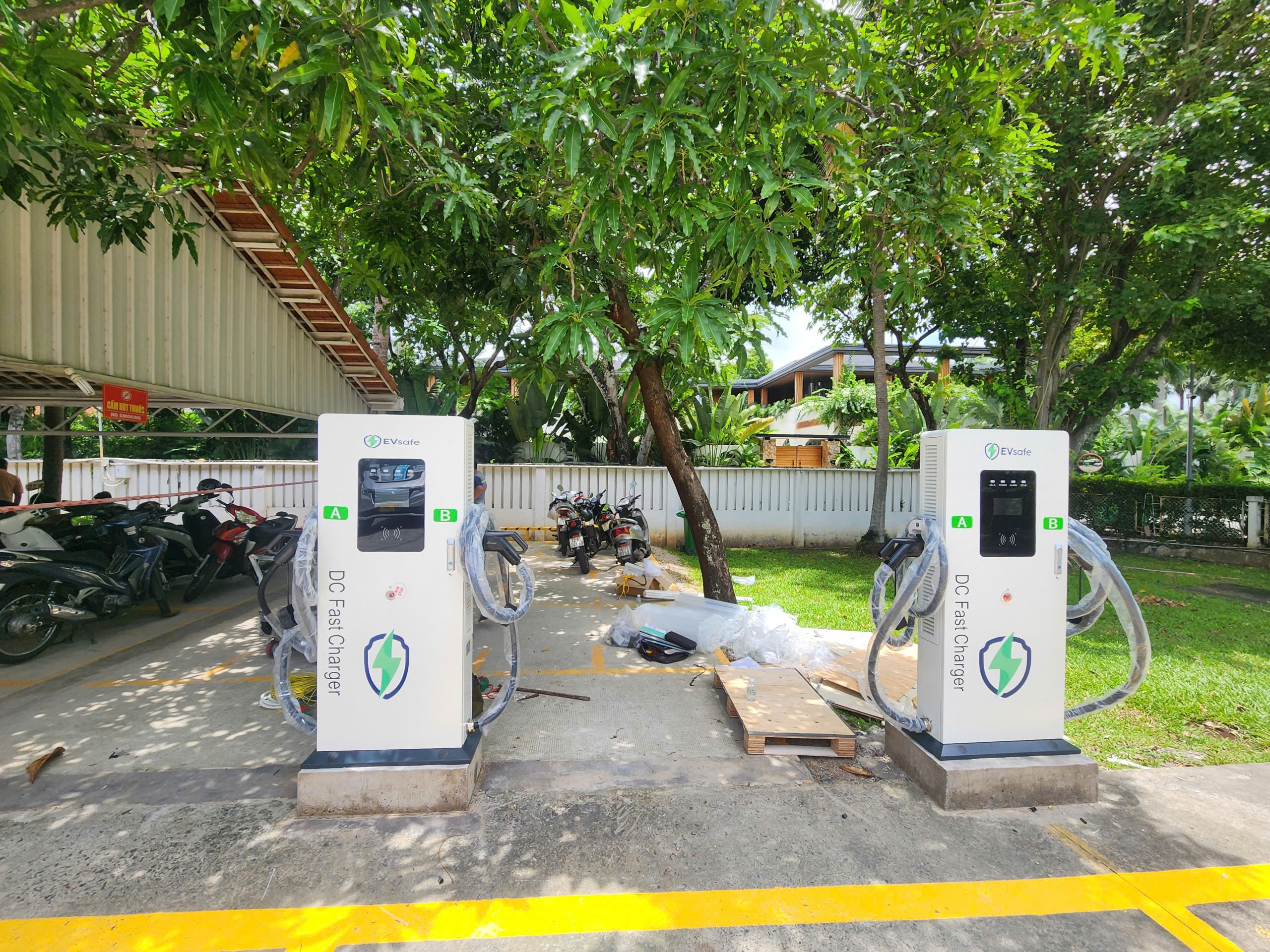
The power range of electric vehicle charging stations
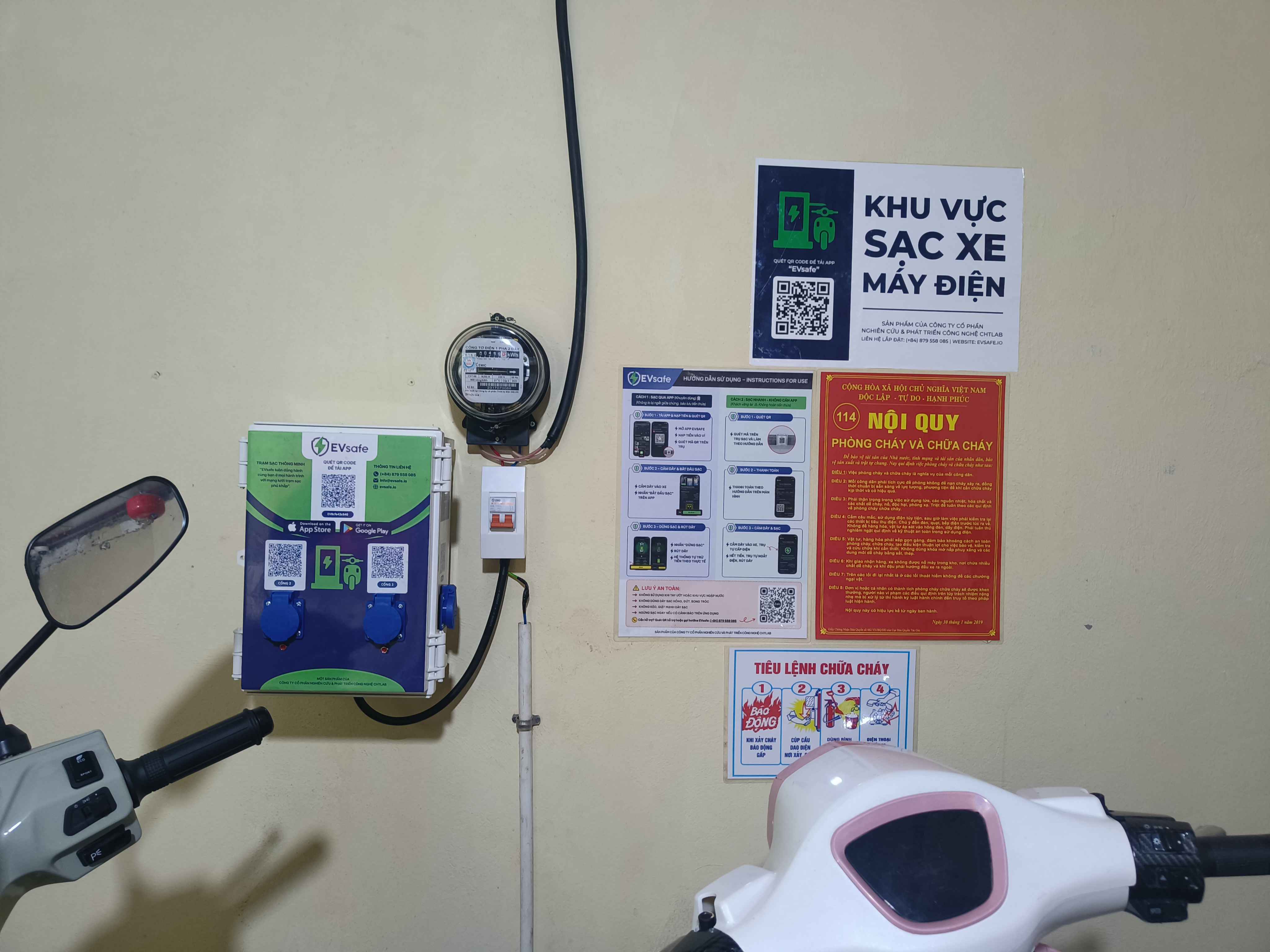
Common AC charging stations typically have a power capacity ranging from 7kW to 22kW. This is a reasonable choice for locations where vehicles are parked for a long time, such as apartments, office buildings, or overnight parking lots, where users do not need to charge quickly.
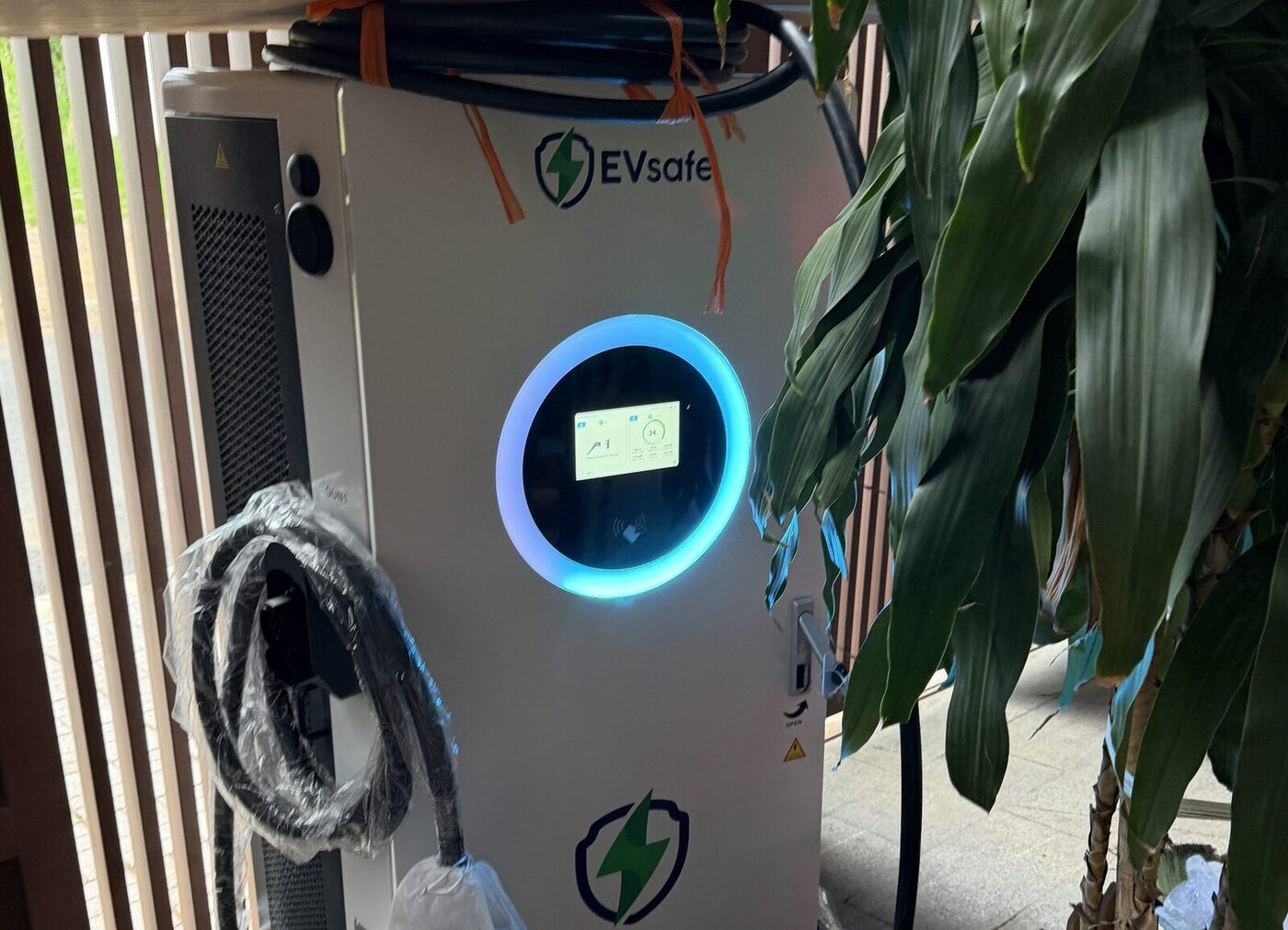
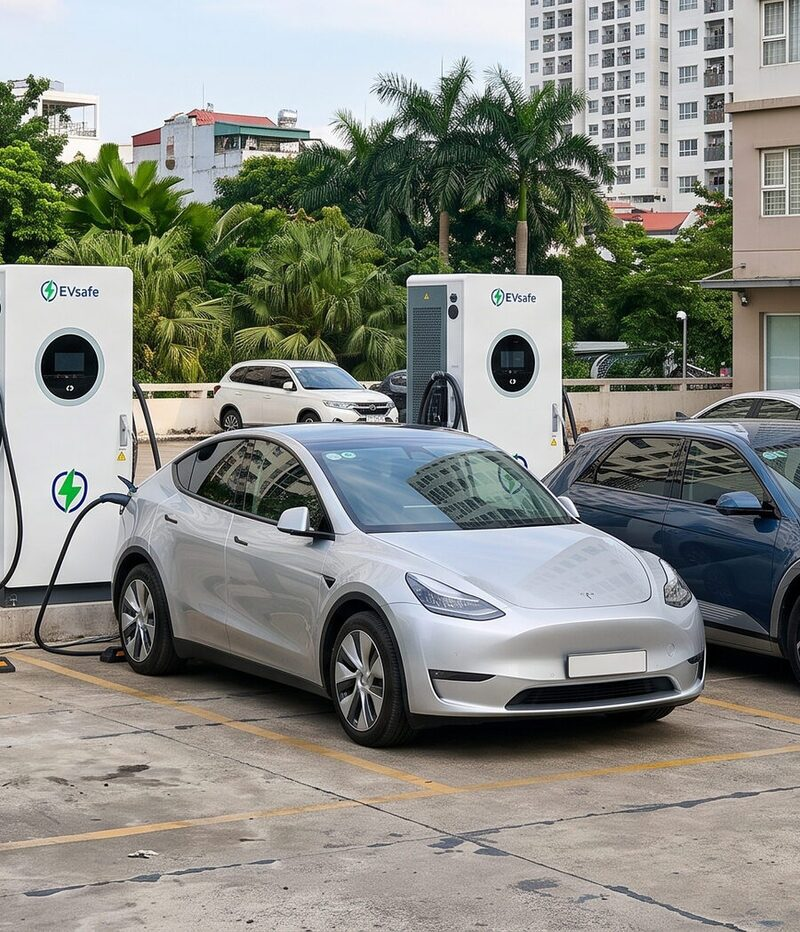
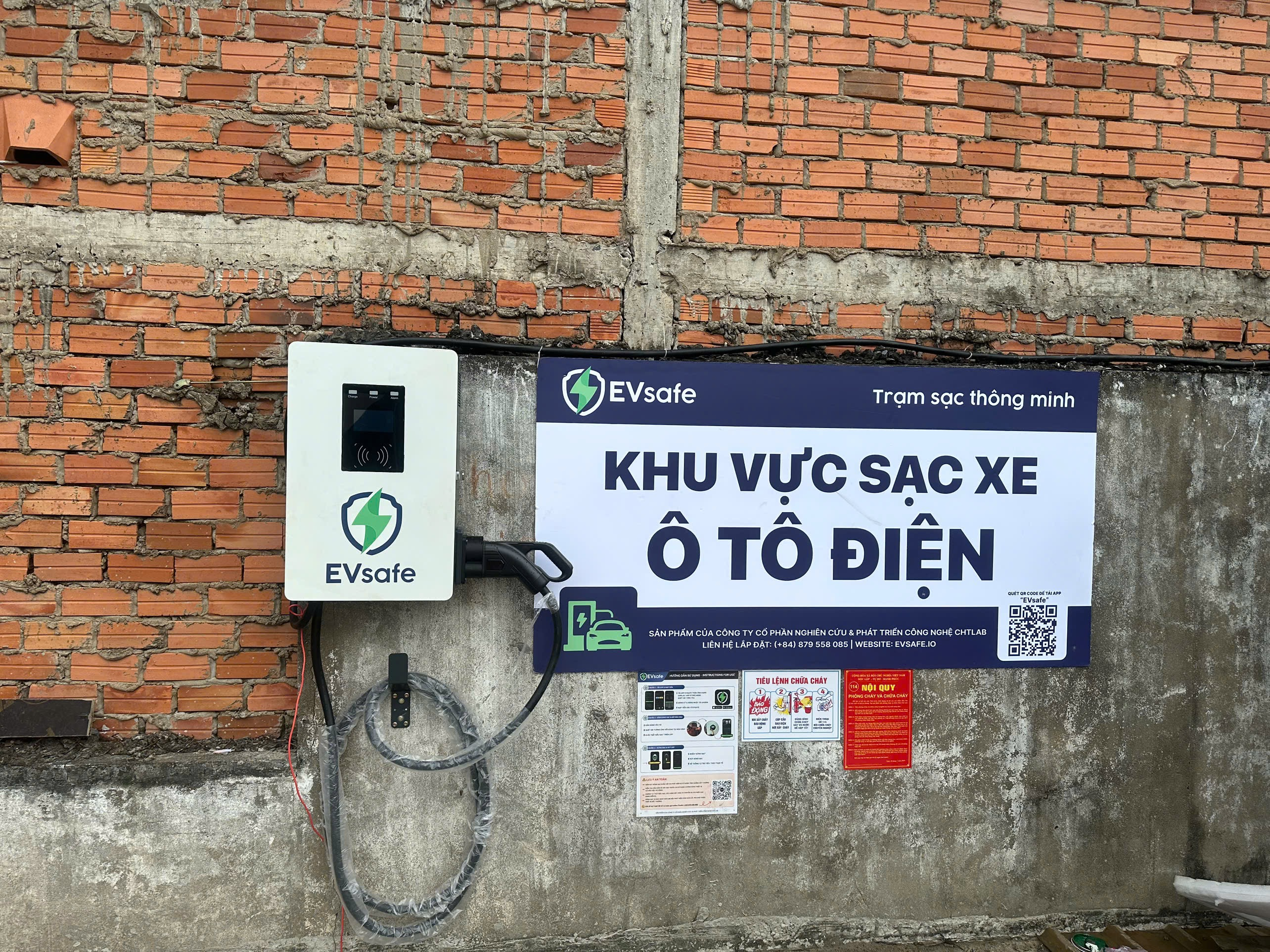
DC fast charging stations start from over 50kW and can go up to several hundred kW. EVsafe's charging station system offers a range of DC power from 30kW to 360kW, along with AC options, to suit various locations. Low-power stations are suitable for long-term parking, while high-power stations are designed for quick charging at locations like highway rest stops or parking lots.
What determines actual charging time
Charging time is not solely determined by the station's power output. Factors that affect charging time include the vehicle's battery capacity, the maximum power the vehicle can accept, the current battery level, and even the battery temperature. If a vehicle can only accept a maximum of 60kW, it will not charge faster than its own limit, even when plugged into a 360kW station.
Additionally, DC fast charging speeds are usually highest when the battery is at a low to medium level, then decrease as the battery approaches full capacity to protect the battery cells. That's why many long-distance drivers only charge up to around 80 percent before continuing their journey, rather than waiting for a full charge.
In other words, AC charging is suitable for scenarios where the vehicle is parked for an extended period, while DC fast charging is better suited for situations where a quick energy boost is needed to continue driving. Installing the right type of station based on the actual needs of the location is key to efficient operation.
Choose the right type of station for your location
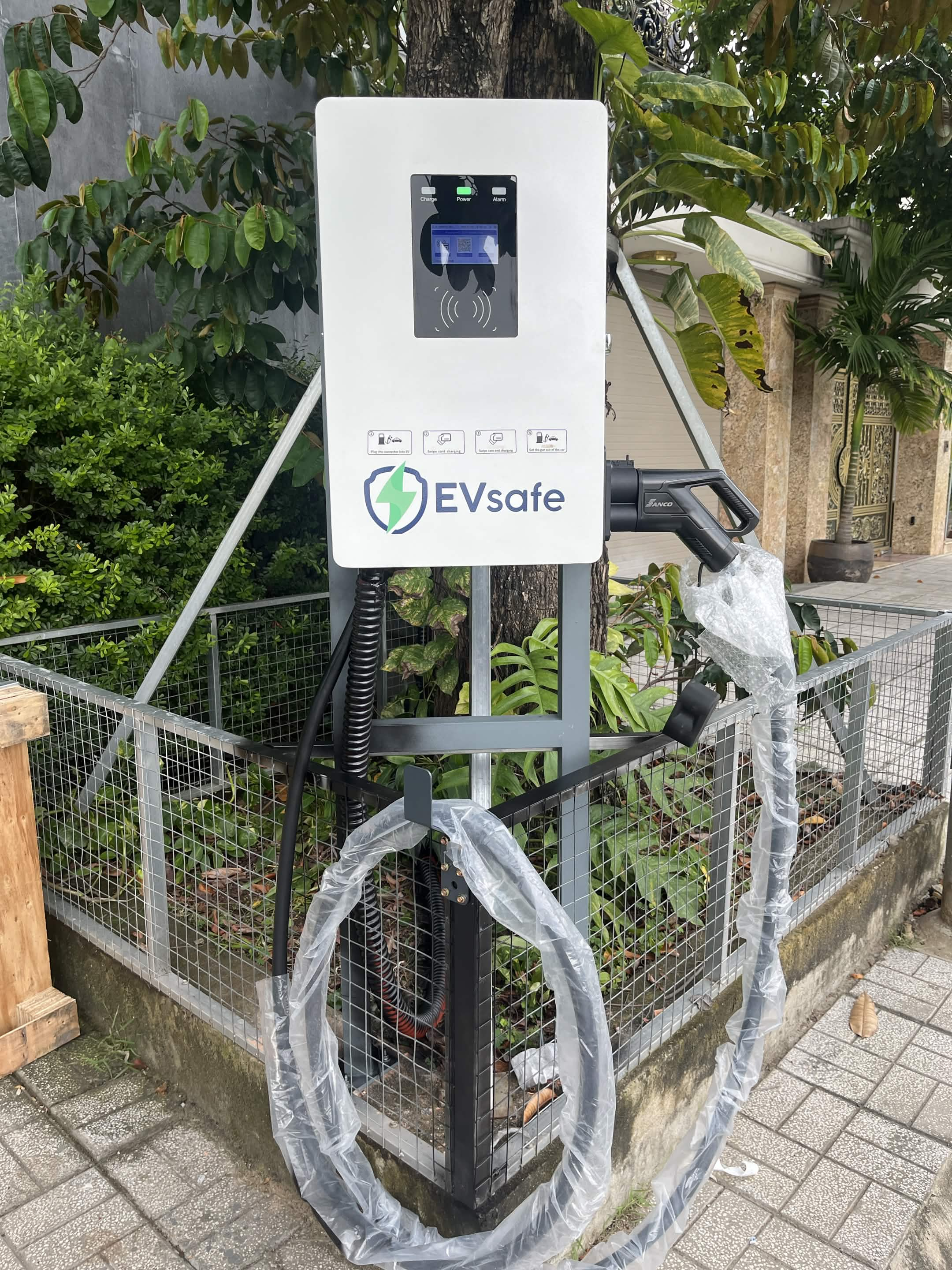
If your location is a high-traffic area where vehicles need to turn over quickly, a high-power DC fast charging station will help serve more vehicles. On the other hand, if vehicles are parked overnight or for an entire workday, an AC or medium-power DC station will be sufficient and more cost-effective.
EVsafe accompanies landowners and drivers in deploying electric vehicle charging stations in Hanoi, Ho Chi Minh City, Da Nang, and along National Highway 1. If you have a suitable location or want to learn about the cooperative investment model with revenue sharing, buying or borrowing a charging pole with 0% interest loan support from financial partners, please contact EVsafe for a survey and consultation. You can also view the EVsafe charging station map to find the nearest charging point and experience the service before making a decision.