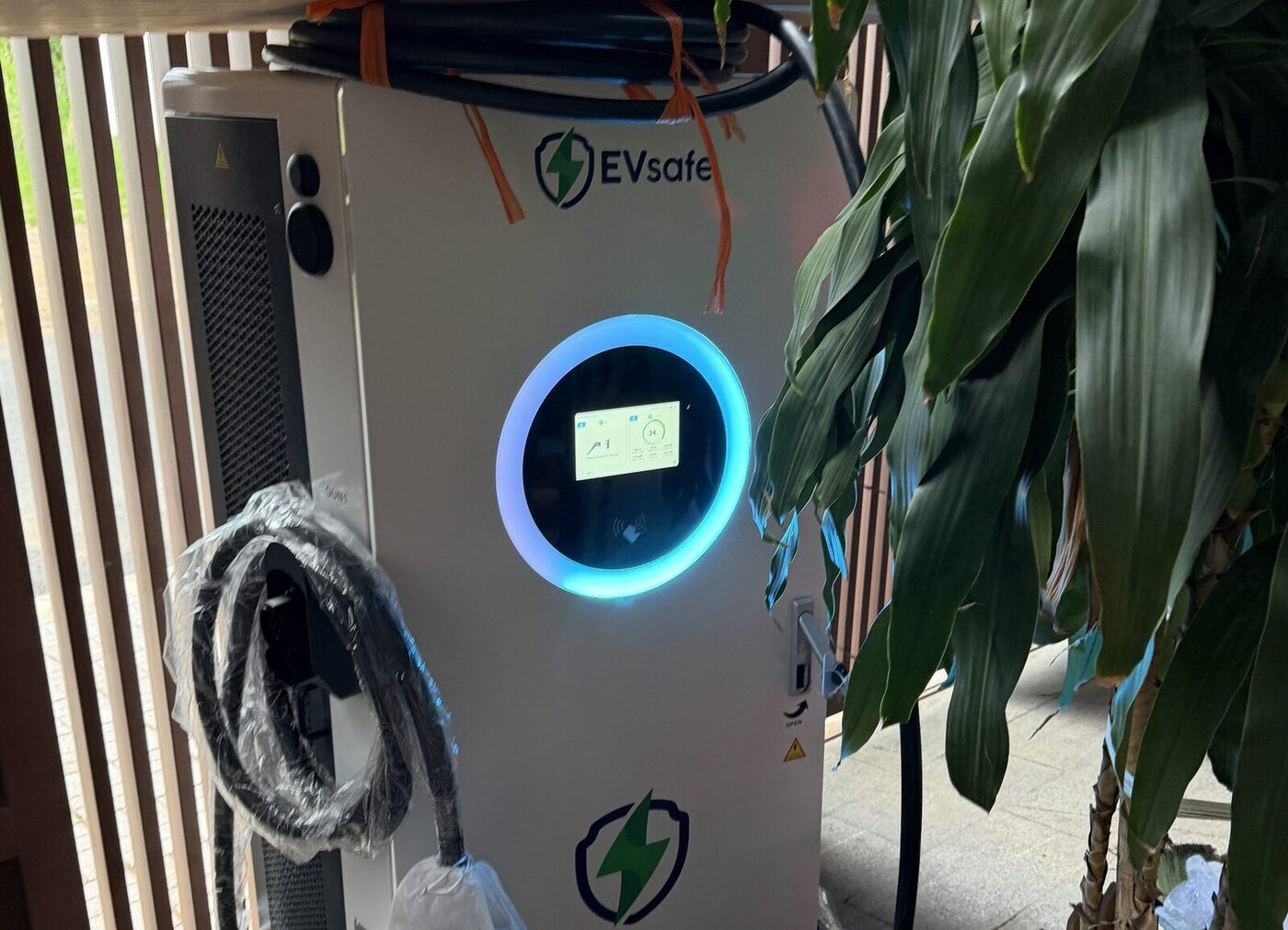
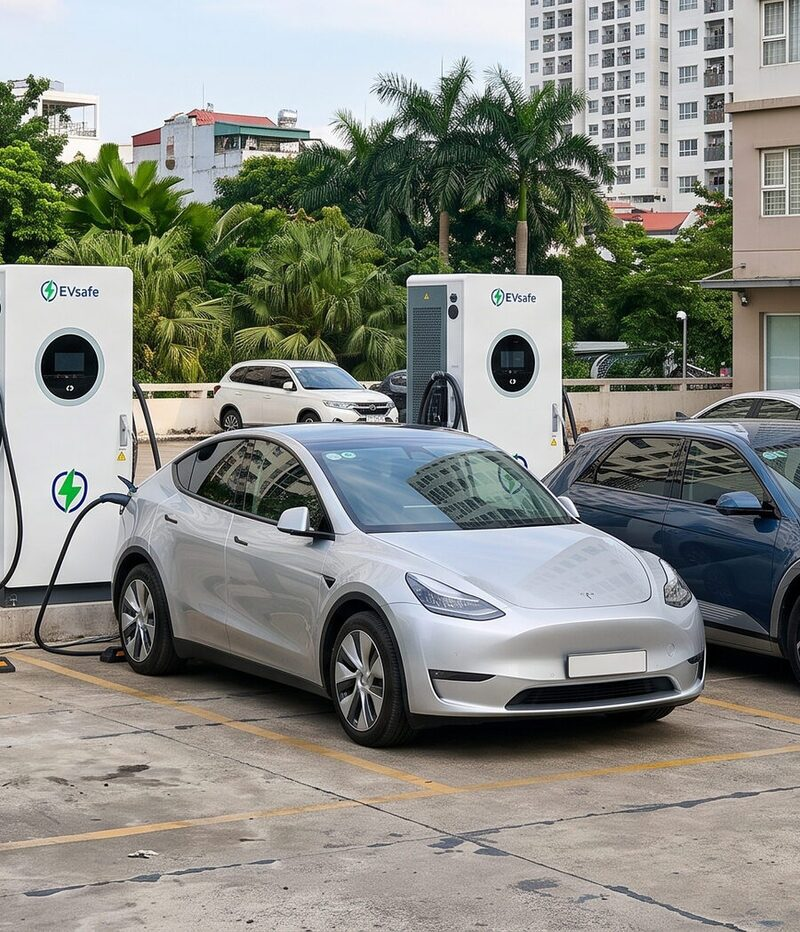
Installing electric vehicle charging stations is not just about plugging into an existing socket. The management board and investors need to audit electrical loads, compare them to the QCVN 06:2022 standard, before signing a cooperation agreement - this article will outline each step and technical checklist.
Many apartment buildings and commercial towers approach electric vehicle charging stations in the simplest way: find a supplier, ask for a quote, sign a contract, and install it in an empty space in the basement or parking lot. The problem is that the building's electrical system was not designed to handle this additional load - and this is where the risk begins, even before the first charging pole is plugged in.
For the management board and the building's engineers, the right question is not "which charging station is good" but: can the current electrical system handle this additional load, and if installed, will it comply with current fire safety standards? This article will answer both questions, in the correct order that an engineer needs to do before signing.
Why charging stations cannot be installed carelessly
Electric vehicle charging stations are continuous electrical loads, operating for many hours a day, often located in areas with high vehicle density and enclosed spaces - basements, covered parking lots. These three factors combined create a risk profile that is different from ordinary household sockets:
- Overloading the overall electrical system. The main electrical cabinets of many apartment buildings are designed for household loads (elevators, lighting, water pumps), without considering dozens of charging ports running in parallel. Adding loads without prior auditing can lead to voltage drops, overheated wires, and in worst cases, short circuits and fires.
- Enclosed spaces, difficult to escape from smoke. Basements and parking lots with roofs have limited air circulation. If a fire occurs here, smoke and heat accumulate faster than in open spaces - this is why QCVN 06:2022/BXD sets separate requirements for vehicle storage areas (see below).
- Equipment that does not meet standards or is installed carelessly. Cheap charging stations without automatic disconnection mechanisms, wires with insufficient cross-sectional area, or connections not made through a separate aptomat/RCBO - each of these points is a potential point of failure.
In short: the risk does not lie in "having a charging station or not", but in installing without evaluating the underlying electrical system first. This is why an electrical load audit must be the first step, not the last check.
What is an electrical load audit, and what steps are involved
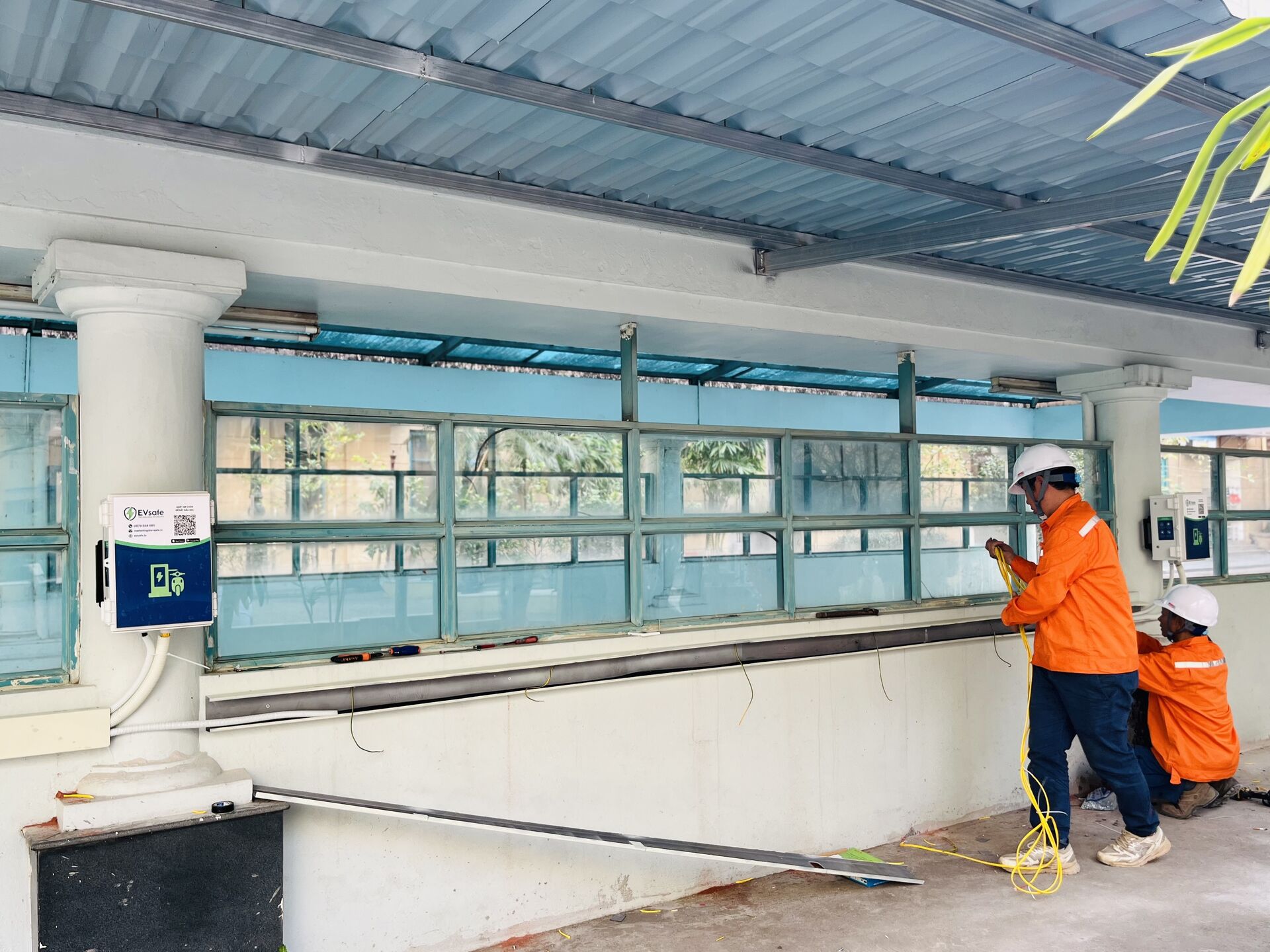
An electrical load audit (electrical load audit) is the process of evaluating the current load-bearing capacity of a building's electrical system, comparing it with the expected additional load from the charging station, to determine: whether the current system can meet the requirements, or which components need to be upgraded before installation.
The audit procedure usually includes the following steps:
| Bước | Nội dung thực hiện | Đầu ra |
|---|---|---|
| 1. Khảo sát hồ sơ điện hiện trạng | Thu thập bản vẽ điện, thông số tủ điện tổng, công suất trạm biến áp (nếu có), lịch sử tiêu thụ điện | Bức tranh tổng thể về công suất khả dụng |
| 2. Đo tải thực tế | Đo dòng điện tại tủ điện tổng và các tủ nhánh liên quan vào giờ cao điểm, để biết phần công suất còn dư | Số liệu tải thực tế, không chỉ dựa trên thiết kế trên giấy |
| 3. Tính toán tải bổ sung | Ước tính công suất trạm sạc dự kiến lắp (số trụ × công suất mỗi trụ — số liệu minh hoạ theo model cụ thể) | Con số tải cần cộng thêm vào hệ thống |
| 4. Đối chiếu khả năng chịu tải | So sánh tải hiện tại + tải bổ sung với công suất định mức của tủ điện, dây dẫn, aptomat tổng | Kết luận: đủ tải, cần nâng cấp một phần, hay cần đường điện riêng |
| 5. Đề xuất phương án đấu nối | Xác định điểm đấu nối an toàn nhất (tủ điện riêng, đường dây riêng, hay đấu chung có nâng cấp bảo vệ) | Phương án kỹ thuật cụ thể cho đơn vị thi công |
This audit should be performed by an electrical engineer with expertise, not estimated by eye or based on the promises of the equipment seller. A charging station installed correctly but connected to an overloaded electrical system can still cause problems - the issue lies not with the charging station, but with the electrical infrastructure behind it.
What is the difference between an electrical system that can handle the load and one that is overloaded - signs to pay attention to:
| Tiêu chí | Hệ thống đủ tải (an toàn) | Hệ thống quá tải (rủi ro) |
|---|---|---|
| Nhiệt độ dây dẫn khi vận hành | Ổn định, không nóng bất thường | Dây nóng, có thể chảy vỏ cách điện |
| Điện áp tại các cổng sạc xa nhất | Ổn định, không sụt áp | Sụt áp rõ khi nhiều cổng sạc cùng lúc |
| Aptomat/CB tổng | Còn biên độ dự phòng theo tính toán | Thường xuyên nhảy (trip) hoặc gần ngưỡng định mức |
| Hệ thống nối đất & chống rò | Đạt chuẩn, có RCBO riêng cho từng mạch sạc | Thiếu hoặc dùng chung với mạch khác không phù hợp |
| Khả năng mở rộng sau này | Còn dư địa để tăng thêm trụ/cổng | Đã kịch trần, mọi tải thêm đều là rủi ro |
If the system falls into the right column in any of the criteria, this is a signal that the electrical infrastructure needs to be upgraded - or a separate electrical line for the charging station needs to be installed - before installation, rather than being handled after it has been put into operation.
What does QCVN 06:2022/BXD relate to in terms of parking lots and basements for parking
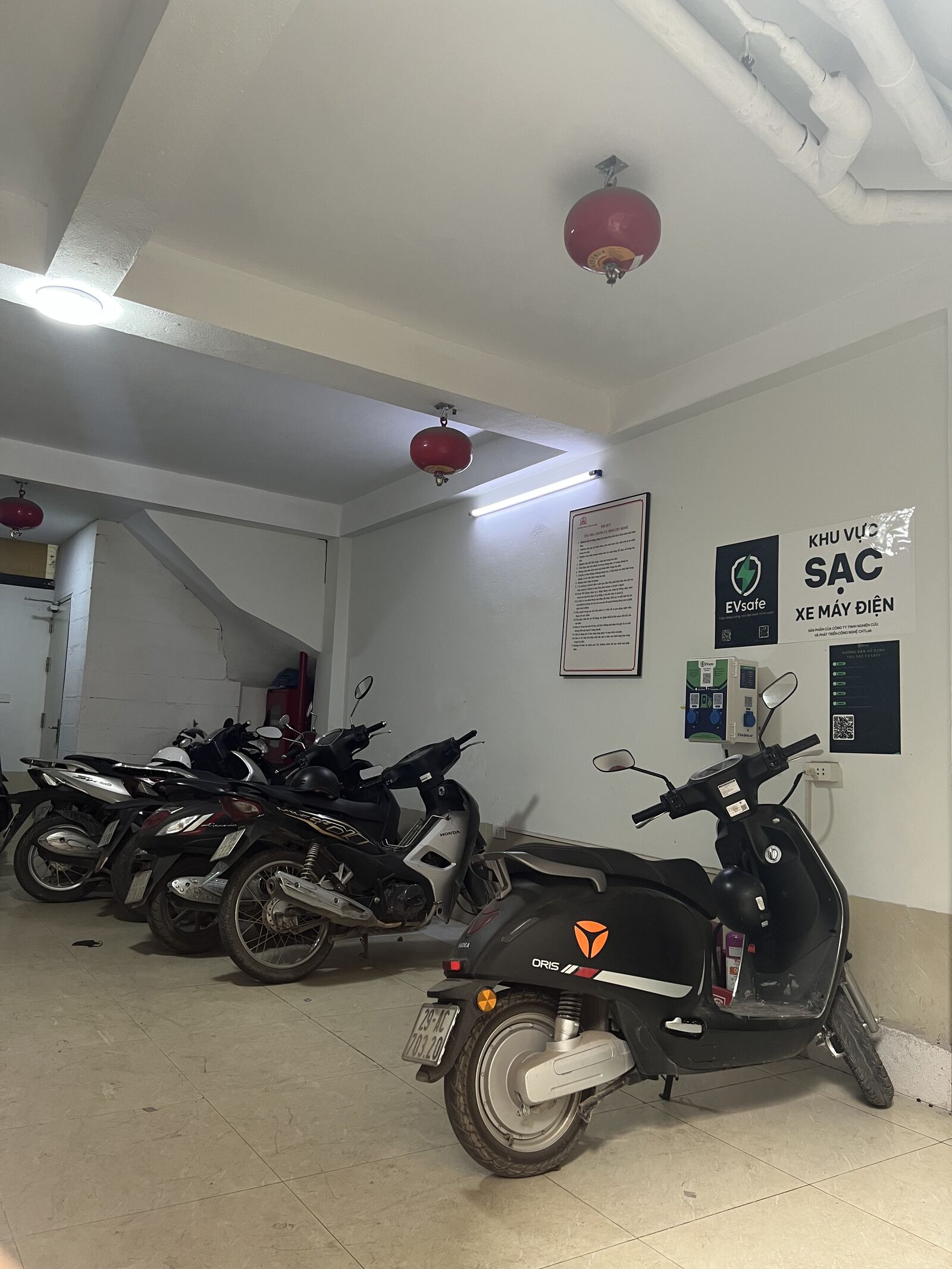
QCVN 06:2022/BXD is a national technical standard for fire safety for houses and constructions, applied to all construction projects in Vietnam, including apartments, collective houses, and mixed constructions. For parking areas - especially enclosed parking basements - this standard sets out requirements for fire safety distances, ventilation/smoke exhaust systems, automatic fire alarm and firefighting systems, and fire-resistant partitioning between different functional areas in the construction.
When adding an electric motorcycle charging station - a new electrical load, operating continuously - to the parking area, the charging station must be arranged and connected in a manner compatible with the fire safety requirements already applied to the entire construction, rather than being an independent additional item, separate from the existing fire prevention and fighting system.
This is also the spirit of Circular 31/2026/TT-BXD, which takes effect from 15/12/2026, requiring a clear audit of electrical load capacity and assessment of fire spread prevention capability before installing charging stations in existing constructions. In other words, the electrical load audit described above is no longer a "should-do" step - for constructions that will install charging stations after this milestone, this is a requirement that needs to be met in accordance with regulations.
This article focuses on the electrical load audit and compliance with QCVN 06:2022. To view the full checklist for compliance with Circular 31/2026/TT-BXD - including fire prevention and fighting items outside the scope of electricity - refer to the full checklist of Circular 31/2026/TT-BXD.
Technical checklist before installing a charging station
Before partnering with any charging station provider, the management board/investor should check the following items:
| Hạng mục kiểm tra | Nội dung | Vì sao quan trọng |
|---|---|---|
| Kiểm toán tải điện tổng thể | Đo và tính toán như quy trình 5 bước ở trên | Xác định hệ thống có đủ công suất, tránh quá tải sau khi lắp |
| Vị trí lắp đặt trong hầm/bãi xe | Đối chiếu khoảng cách an toàn cháy, lối thoát hiểm, hệ thống thông gió theo QCVN 06:2022 | Tránh cản trở lối thoát nạn, đảm bảo thông gió khi có sự cố |
| Aptomat/CB & RCBO riêng cho mạch sạc | Mỗi trụ/cụm trụ sạc có bảo vệ quá dòng và chống rò điện độc lập, không đấu chung mạch với tải khác | Sự cố tại một trụ không lan sang toàn bộ hệ thống điện toà nhà |
| Dây dẫn & tiết diện | Đúng tiết diện theo công suất tải thực tế, đi trong ống/máng cách nhiệt phù hợp | Tránh nóng dây, giảm nguy cơ chập cháy khi vận hành liên tục |
| Hệ thống nối đất | Đạt chuẩn kỹ thuật, kiểm tra định kỳ | Bảo vệ người dùng khi có rò điện |
| Cơ chế tự ngắt khi quá tải/quá nhiệt | Thiết bị trụ sạc có tích hợp tự ngắt, không phụ thuộc hoàn toàn vào người vận hành | Xử lý sự cố tức thời, không chờ con người phát hiện |
| Giám sát vận hành | Có hệ thống theo dõi tình trạng trụ sạc theo thời gian thực (nhiệt độ, dòng điện, lỗi) | Phát hiện bất thường sớm, trước khi trở thành sự cố |
| Phối hợp với hệ thống PCCC hiện có | Trạm sạc không che khuất đầu báo cháy, vòi chữa cháy, hoặc lối tiếp cận của lực lượng PCCC | Đảm bảo hệ thống PCCC toà nhà vẫn hoạt động đầy đủ chức năng sau khi lắp |
A charging station that meets these 8 items does not guarantee absolute safety from accidents - but it eliminates most of the causes of fires and explosions related to overloading and incorrect wiring, which are the most common causes of electrical accidents in parking areas.
How EVsafe surveys and ensures safety
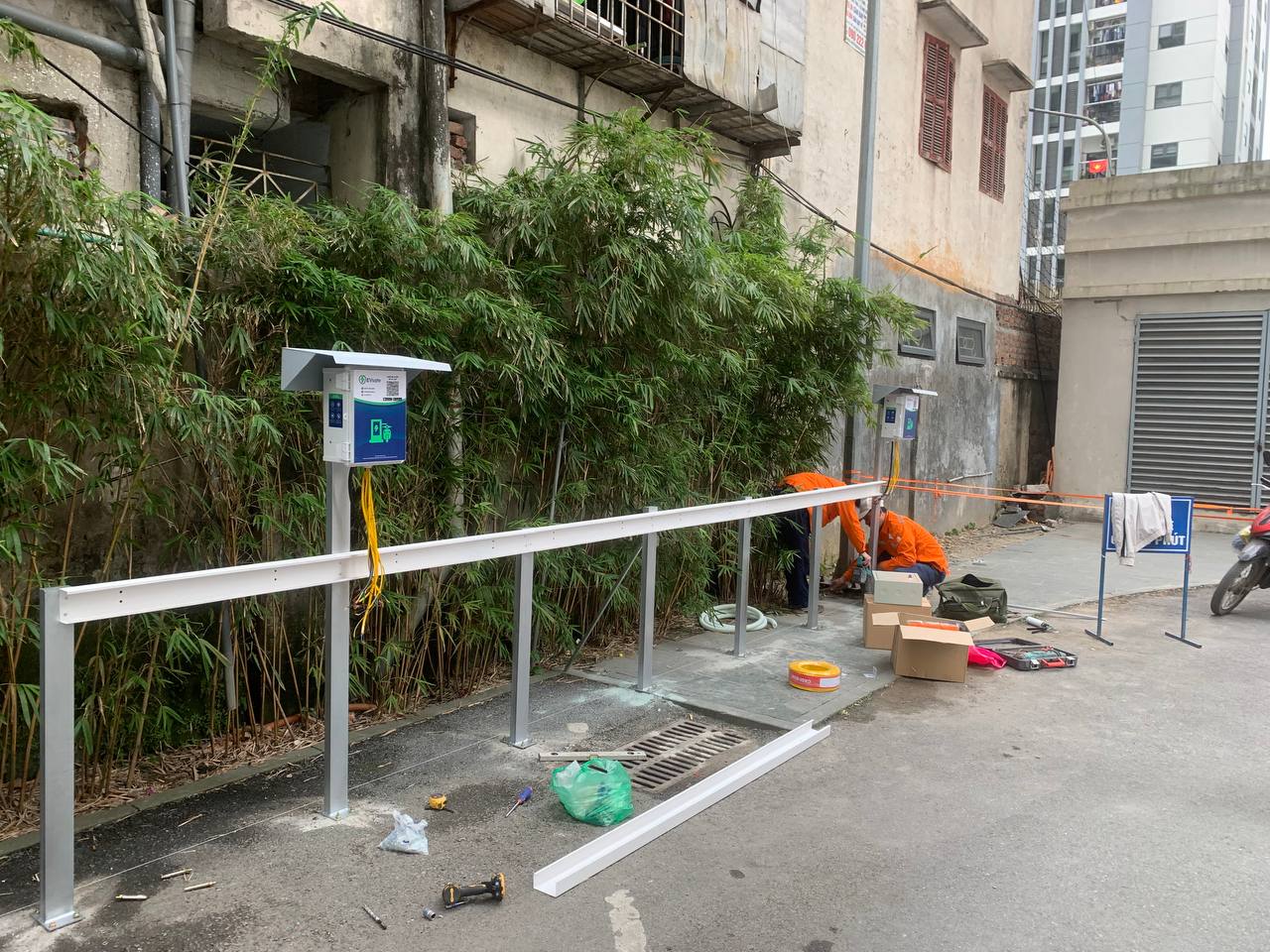
EVsafe approaches each project according to the above audit sequence, without installing first and then handling problems later:
- Free electrical load survey before partnering. The technical team measures the actual load at the building, compares it with the expected number of charging stations, and provides a suitable wiring plan - including recommendations not to install or to install fewer stations if the current electrical system is not sufficient.
- Equipment has an automatic shut-off mechanism in case of overloading. Each charging station is designed to automatically shut off when it detects abnormal electrical current or temperature, reducing dependence on human monitoring and timely handling.
- Aptomat and RCBO anti-leakage protection for each charging circuit. Ensuring that a local fault does not spread to the entire electrical system of the building.
- 24/7 operation monitoring. The status of each charging station is continuously monitored remotely, detecting abnormalities (high temperature, connection errors) before they become serious accidents.
- EVshield insurance. Accompanying each cooperation, protecting assets and responsibility for the landlord in the face of risks related to the operation of the charging station.
For BQL and investors, the greatest value of the survey step is not "getting approved to install a charging station" - but having an independent technical assessment in hand, which clearly indicates where the building's electrical system stands in relation to the safety threshold, before making an investment decision.
Schedule an electrical load survey
If the building you manage is considering installing an electric vehicle charging station, the first step should be an electrical load survey - not a sales consultation. EVsafe conducts free surveys, measures actual loads, and compares them with current fire safety requirements, providing you with a clear technical basis for decision-making.
Schedule a free electrical load survey at evsafe.io/partner or call the hotline (+84) 879 558 085.
See more: full checklist of Circular 31/2026/TT-BXD · EVsafe's surveyed and implemented projects