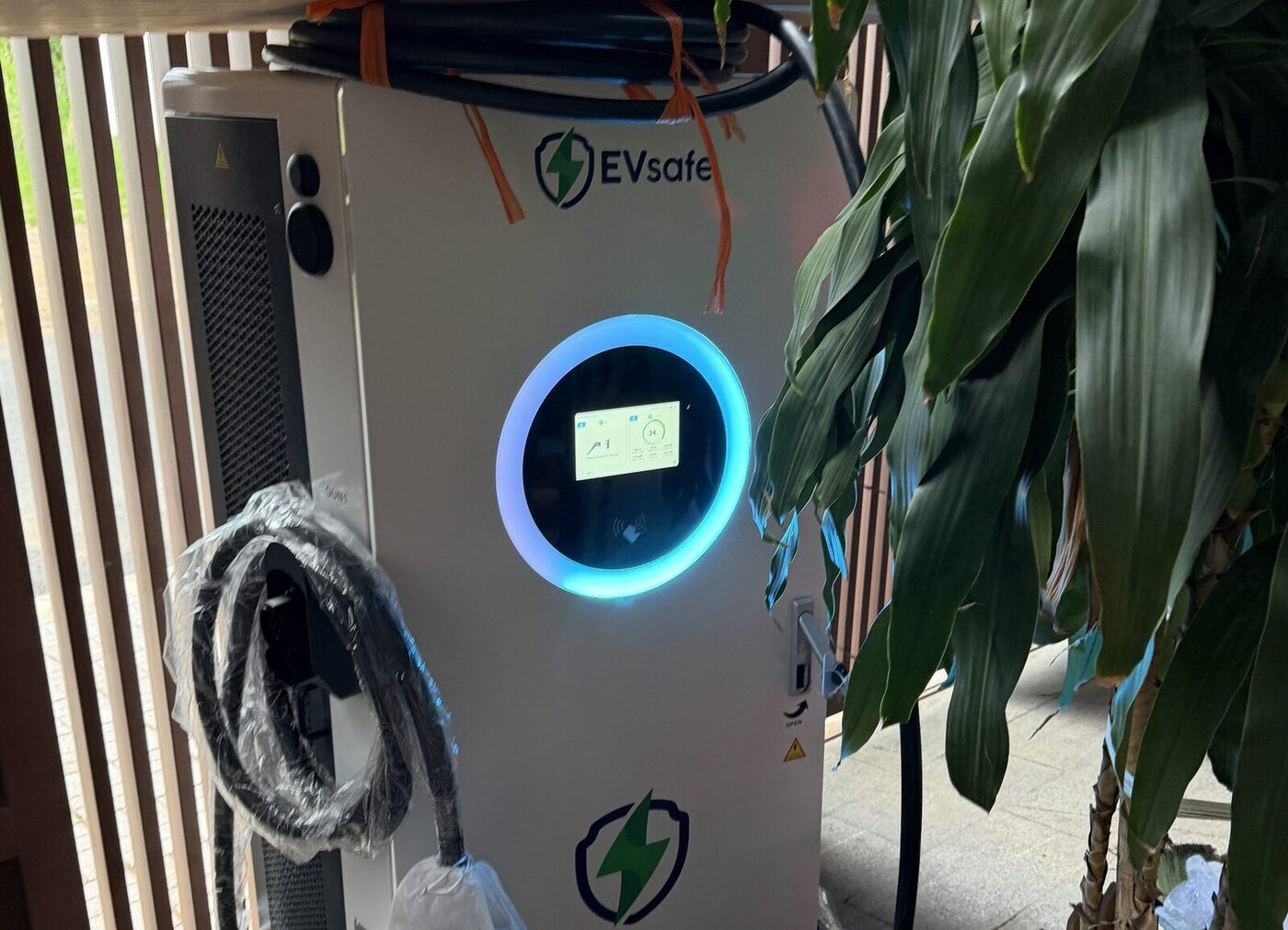
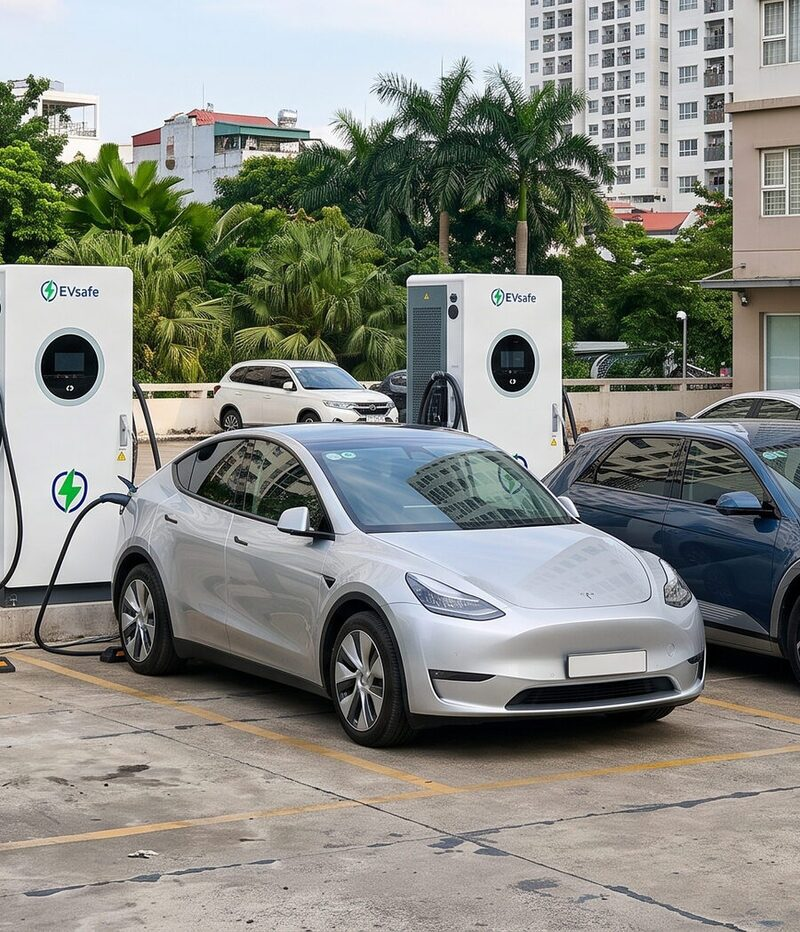
Circular 31/2026/TT-BXD takes effect on 15/12/2026, requiring apartment buildings to upgrade their fire prevention and fighting standards for electric vehicle charging stations. A 12-point checklist to help building management boards review and prepare on time.
Why 15/12/2026 is a deadline that cannot be missed
Electric motorcycles are increasing rapidly in large cities, and most users are still charging by borrowing household electrical outlets in parking basements, pulling wires through common corridors, or using self-made charging devices of unknown origin. This is the fire and explosion scenario that management agencies are tightening up with a new legal framework.
Circular 31/2026/TT-BXD - taking effect from 15/12/2026 - regulates the mandatory upgrade of fire prevention and fighting systems for electric vehicle charging areas in apartment buildings, applying to both new and existing constructions according to a phased plan. The key point: this is not a recommendation, but a requirement to meet standards QCVN 06:2022/BXD on fire safety for houses and constructions - meaning areas with electric vehicle charging stations must demonstrate their ability to prevent fire spread and have their electrical load audited according to design.
For building management boards, this leads to three direct consequences:
- Clearer legal responsibility. If a fire or explosion occurs related to the electric vehicle charging area and the fire prevention and fighting infrastructure does not meet standards, the building management board and investor are the first parties responsible - which has been laid down in Decrees 105 and 106 (see more on fire prevention and fighting responsibility according to Decrees 105 and 106), now further specified by Circular 31/2026.
- There is not much time left to prepare. From now until 15/12/2026, apartment buildings need to complete surveys, assessments, and upgrades of their infrastructure - a task that usually takes several weeks to several months depending on the scale of the building, so the later it is, the more pressure is put on the last months of the year.
- Random charging will be tightened. When the fire prevention and fighting standard officially takes effect, charging points that do not meet the standard (temporary wiring, misused household sockets) will be the first to be requested to be dismantled or suspended during regular fire prevention and fighting inspections.
In short: this is the time for building management to proactively review, rather than waiting for the inspection and then handling it urgently.
What does Circular 31/2026/TT-BXD require?
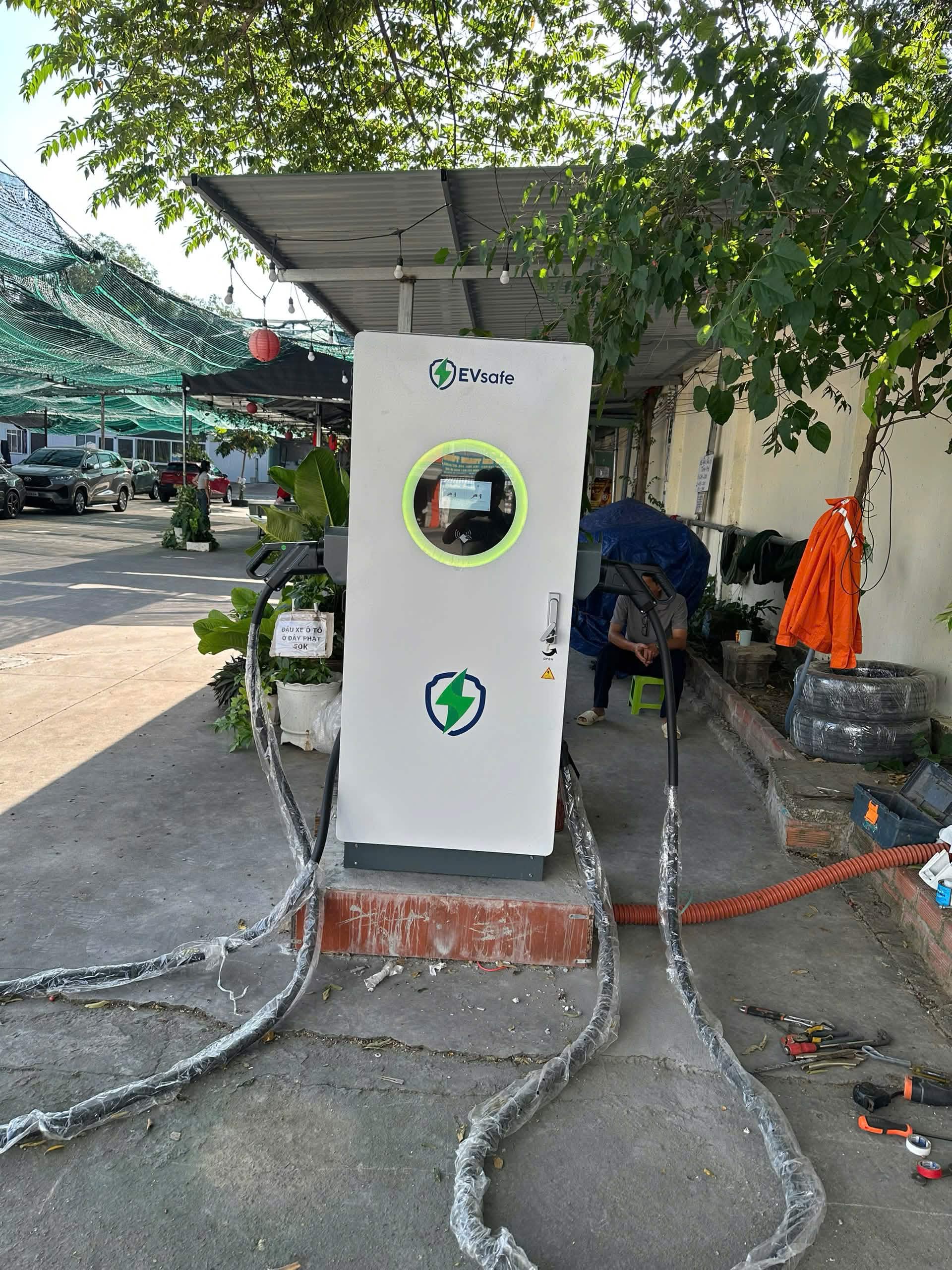
Below are the core requirements that building management and engineers need to understand to plan for compliance.
| Nhóm yêu cầu | Nội dung chính | Áp dụng cho |
|---|---|---|
| Chuẩn an toàn cháy | Khu vực sạc xe điện phải đạt QCVN 06:2022/BXD về an toàn cháy cho nhà và công trình | Công trình mới + công trình hiện hữu |
| Chống cháy lan | Vật liệu, khoảng cách và kết cấu khu vực sạc phải đảm bảo không để đám cháy lan sang khu vực để xe khác hoặc tầng liền kề | Khu vực để xe có bố trí điểm sạc |
| Kiểm toán tải điện | Hệ thống điện cấp cho khu vực sạc phải được kiểm toán khả năng chịu tải, tránh quá tải đường dây khi nhiều xe sạc cùng lúc | Toàn bộ hệ thống điện phục vụ sạc xe |
| Lộ trình áp dụng | Phân kỳ theo loại công trình (mới/hiện hữu) — công trình hiện hữu có thời gian chuyển tiếp để nâng cấp trước mốc hiệu lực | Chung cư đang vận hành + dự án đang xây dựng |
| Thời điểm hiệu lực | 15/12/2026 — mốc bắt buộc tuân thủ trên toàn quốc | Tất cả đối tượng thuộc phạm vi điều chỉnh |
Note: The table above summarizes the main requirement groups in the spirit of Circular 31/2026/TT-BXD and QCVN 06:2022/BXD to help building management easily visualize the scope of work. Specific technical details (safe distance, fire-resistant materials, electrical load parameters) need to be assessed by a competent fire prevention and fighting unit or a consulting unit based on the actual records of each project.
12-point fire prevention and fighting checklist for building management
This is a list of items that building management should review immediately, based on the principle of fire and explosion safety applied to electric vehicle charging areas and the spirit of QCVN 06:2022/BXD. Use this table as a self-assessment tool before inviting a professional fire prevention and fighting unit to conduct an official survey.
| # | Hạng mục PCCC | Yêu cầu cần đạt | Trạng thái |
|---|---|---|---|
| 1 | Kiểm toán tải điện khu vực sạc | Đường dây, tủ điện, aptomat đã được tính toán đủ công suất cho số lượng cổng sạc thực tế | ☐ |
| 2 | Thiết bị sạc có công nghệ tự ngắt | Trụ/cổng sạc tự động ngắt khi đầy pin, quá dòng, quá nhiệt hoặc chập điện | ☐ |
| 3 | Vật liệu chống cháy lan | Khu vực đặt trạm sạc dùng vật liệu chịu lửa, có khoảng cách an toàn với khu để xe xăng và lối thoát hiểm | ☐ |
| 4 | Hệ thống báo cháy tự động | Đầu báo khói/nhiệt hoạt động tốt, phủ đủ khu vực sạc, kết nối về phòng trực bảo vệ | ☐ |
| 5 | Bình chữa cháy chuyên dụng | Trang bị bình chữa cháy phù hợp với cháy điện/pin lithium, đặt gần điểm sạc, còn hạn kiểm định | ☐ |
| 6 | Lối thoát hiểm không bị cản trở | Khu vực sạc không che khuất, không thu hẹp lối thoát hiểm và đường di chuyển của xe cứu hoả | ☐ |
| 7 | Biển báo & hướng dẫn an toàn | Có biển cấm sạc tự phát, hướng dẫn sử dụng đúng cách, số điện thoại khẩn cấp tại khu vực sạc | ☐ |
| 8 | Ngăn sạc tự phát trong toà nhà | Có quy định nội bộ và biện pháp giám sát để cư dân không tự kéo dây, tự chế thiết bị sạc ngoài điểm quy định | ☐ |
| 9 | Giám sát vận hành liên tục | Có cơ chế theo dõi tình trạng trạm sạc (giám sát từ xa hoặc kiểm tra định kỳ) để phát hiện sớm bất thường | ☐ |
| 10 | Bảo trì & kiểm định định kỳ | Trạm sạc và hệ thống điện được bảo trì, kiểm định an toàn theo lịch, có hồ sơ lưu trữ | ☐ |
| 11 | Bảo hiểm rủi ro cháy nổ | Có gói bảo hiểm trách nhiệm cho khu vực sạc, giảm thiểu rủi ro tài chính nếu sự cố xảy ra | ☐ |
| 12 | Hồ sơ pháp lý PCCC đầy đủ | Đầy đủ hồ sơ nghiệm thu, biên bản kiểm tra PCCC liên quan đến khu vực sạc xe điện, sẵn sàng xuất trình khi thanh kiểm tra | ☐ |
If building management marks "not met" for 3 or more items, this is a sign that they should prioritize surveying and planning upgrades immediately, rather than waiting until close to the 15/12/2026 deadline.
Self-discharging - a real risk, not a distant story
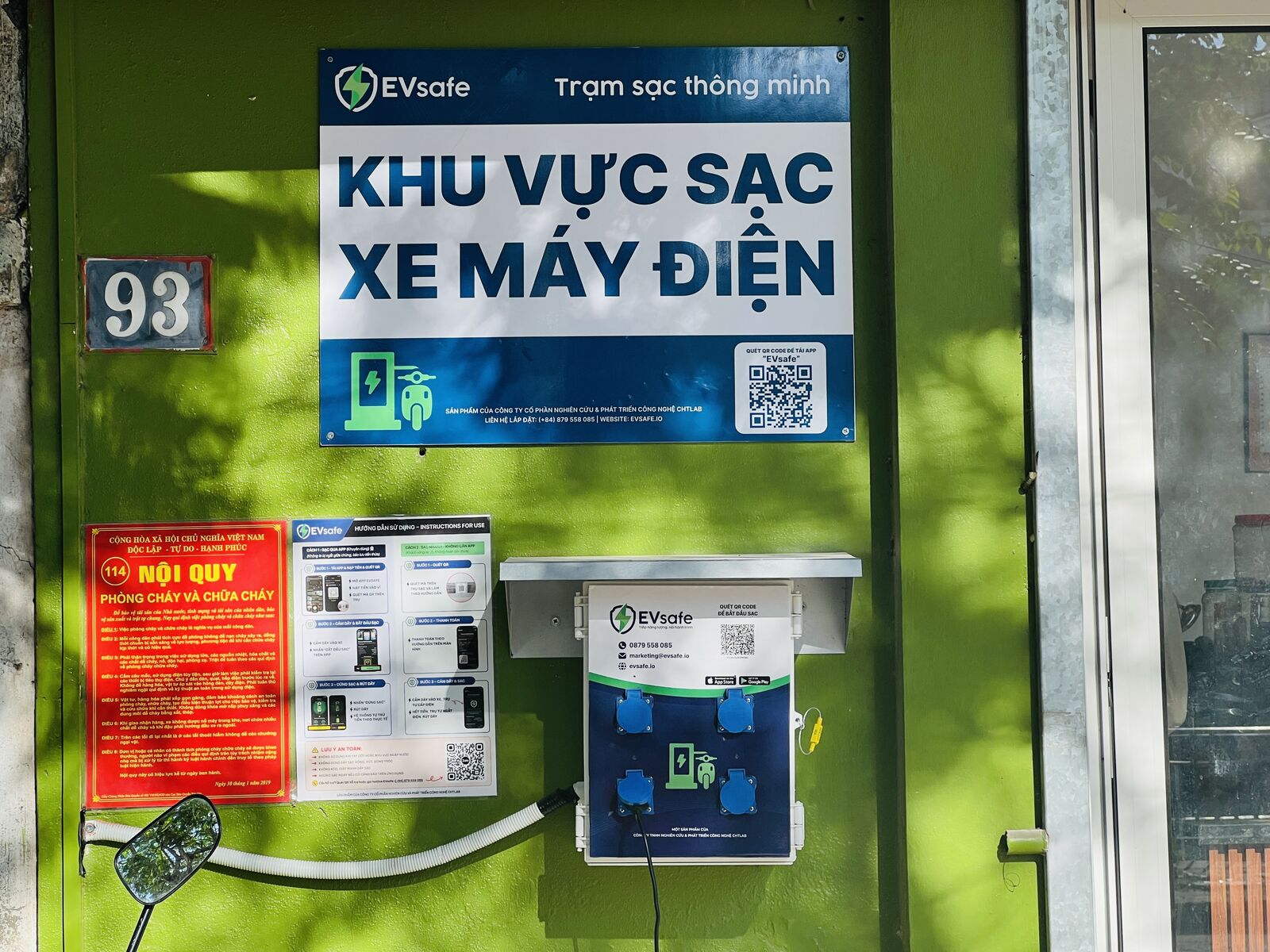
In most apartment buildings that do not have official charging stations, electric motorcycle owners are still improvising: charging through household sockets in the parking basement, using extended cables that stretch for several meters, charging overnight without supervision, or using non-genuine chargers to charge faster.
The problem with this self-discharging method lies in the very things that a standard charging station is designed to address:
- No automatic disconnection mechanism. Household sockets are not designed to detect overcurrent, overheating, or short circuits in battery cells - the risk of fire increases significantly when charging for an extended period, especially overnight without anyone monitoring.
- Inadequate wiring. Extended cables purchased separately often do not have enough cross-sectional area for continuous charging currents, easily causing the insulation to melt - one of the most common causes of fires in self-discharging parking lots.
- No monitoring, no early warning. When an incident occurs in a self-discharging area, there is often no system to detect and alert in time until the fire has spread.
- Legal responsibility falls on the Building Management Board. If the Building Management Board is aware but does not take measures to prevent self-discharging in the building, this is the loophole that makes fire prevention and fighting responsibilities according to Decrees 105, 106, and upcoming Circular 31/2026 a real risk, not just a document.
A standard-compliant charging station solves all four of the above points at the same time: the device has auto-shutoff technology, the wiring and electrical cabinet are calculated for the correct load, there is operational monitoring, and most importantly - it shifts the charging behavior of residents from "spontaneous, uncontrolled" to "concentrated, controlled". This is why investing in an official charging station is not only about complying with regulations, but also the most practical way to eliminate the largest fire and explosion risk in apartment building parking lots today.
How EVsafe supports BQL in complying with regulations
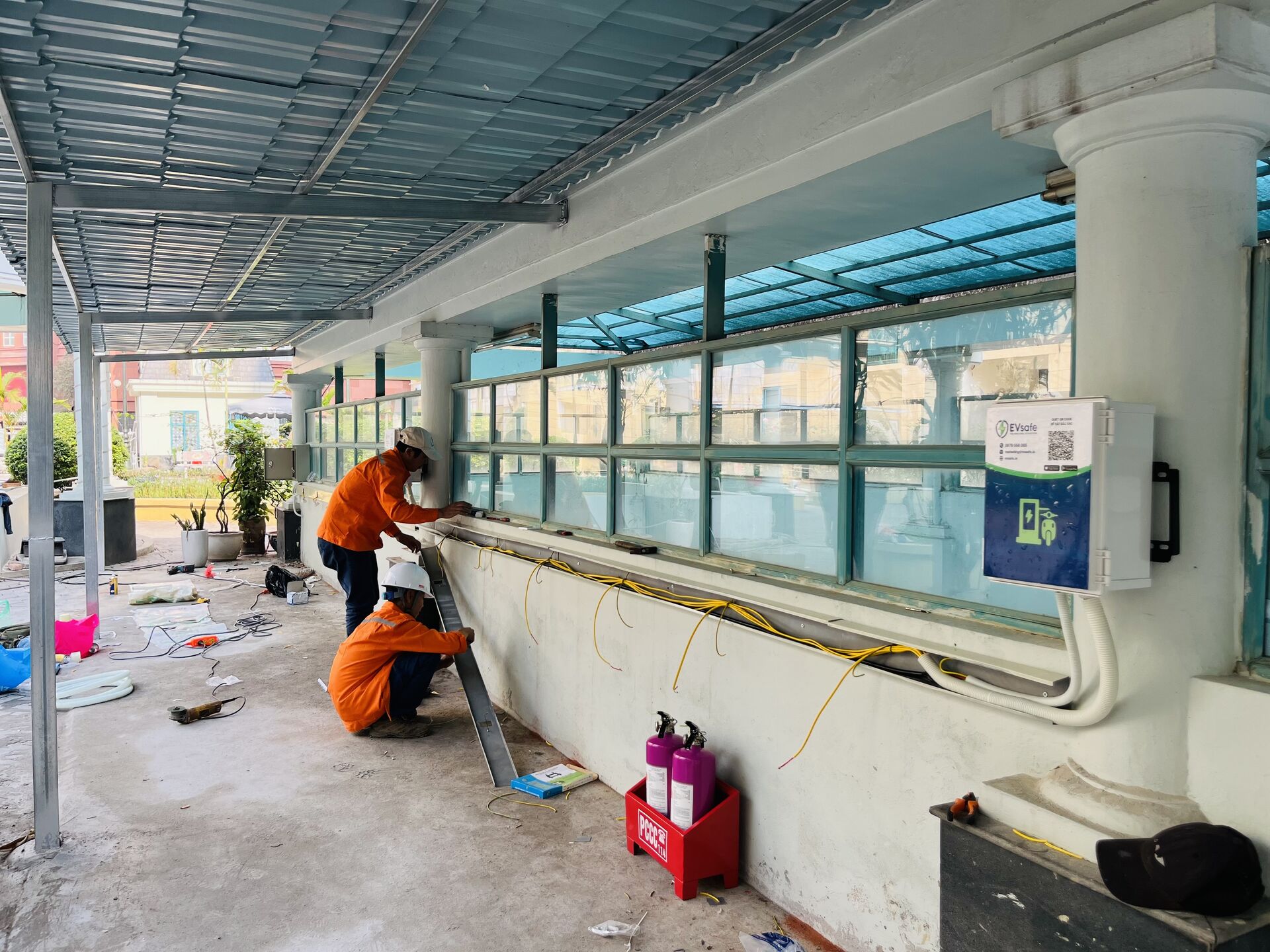
EVsafe designs electric motorcycle charging stations with fire prevention and fighting safety criteria as the foundation, not as an added item later on:
- Standard-compliant equipment: EVsafe charging stations are manufactured and installed according to current electrical and fire prevention and fighting safety standards, providing BQL with a basis for comparison with the requirements of QCVN 06:2022/BXD when working with assessment units.
- Auto-shutoff technology: each charging port automatically shuts off when it detects a full battery, overcurrent, overheating, or abnormality - eliminating the largest risk of unmonitored overnight charging.
- EVshield insurance: each charging station is protected by the EVshield liability insurance package, reducing the financial burden on BQL in case of incidents related to the equipment.
- 24/7 monitoring: the remote monitoring system continuously tracks the operating status, detects, and provides early warnings of technical abnormalities before they become fire and explosion risks.
- Free electrical load survey: The EVsafe technical team conducts on-site surveys and evaluates the load-bearing capacity of the existing electrical system before proposing installation plans - in line with the spirit of electrical load auditing required by Circular 31/2026.
In other words, when the Management Board cooperates with EVsafe to install charging stations, most of the items in the above fire prevention and fighting checklist (items 1, 2, 5, 9, 10, 11) have already been standardized by EVsafe in the installation and operation process - the Management Board does not have to build them from scratch.
Learn more about EVsafe charging station solutions and safe charging pole lines being deployed in apartment buildings nationwide.
Act now - don't wait until close to 15/12/2026
The time from now until Circular 31/2026/TT-BXD takes effect is not long if we consider the time for surveying, appraising, and upgrading construction. Three steps the Management Board should take immediately:
- Self-evaluate using the 12-item checklist above - identify the missing items.
- Register for free fire prevention and fighting and electrical load surveys with EVsafe to get a specific on-site evaluation for your building.
- Make an upgrade plan - prioritize high-risk items (electrical load, automatic cut-off devices, monitoring) before moving on to document and sign items.
Register for free fire prevention and fighting and electrical load surveys today - the EVsafe team will contact you within 24-48 hours to assess the current situation and advise on a suitable plan for your apartment building, no commitment, no survey fees.
Need quick advice? Call the hotline (+84) 879 558 085 or email info@evsafe.io.